

How to Cut Calories Without Losing Hard-Earned Muscle Mass?

Achieving a lean, shredded physique is a primary goal for many fitness enthusiasts, but the biggest challenge is dropping body fat without sacrificing hard-earned muscle mass. When you enter a caloric deficit, your body naturally looks for energy sources, and if your strategy is incorrect, it will break down muscle tissue alongside fat. This comprehensive body recomposition guide will give you the exact blueprint to lose fat and keep muscle simultaneously. By understanding the science of nutrition and training, you can navigate your cutting phase successfully and build a stronger, more defined body.
Many people make the mistake of dropping their calories too low or drastically increasing cardio while ignoring strength training, which leads to a flat, depleted look. To avoid this, you need a structured approach that combines a high protein deficit diet with strategic weight training. Utilizing advanced digital tracking tools can make a massive difference in your results. For instance, using the CAL-TRACK system on Rahullifters allows you to monitor your exact macronutrient splits daily, ensuring your body stays in the perfect zone for fat burning while preserving your muscle tissue.
Setting Realistic Weight Loss Goals for Body Recomposition

The foundation of learning how to lose fat keep muscle lies in setting appropriate expectations. Severe, rapid weight loss is almost always accompanied by muscle loss because the body cannot mobilize stored fat quickly enough to meet a massive energy deficit. When you starve your body, it catabolizes muscle tissue to find quick energy, destroying your metabolic rate.
Establishing realistic weight loss goals means aiming to lose roughly 0.5 to 1 percent of your total body weight per week. For a person weighing 80 kilograms, this translates to a steady drop of 0.4 to 0.8 kilograms weekly. This controlled rate of fat loss ensures that the vast majority of the weight dropped comes directly from adipose tissue rather than skeletal muscle.
To ensure your calorie targets are aligned perfectly with these sustainable goals, you can leverage the CUSTOM DIET-PLAN-MAKER. This platform customizes your daily caloric and macronutrient needs based on your unique body type and goals, preventing you from crashing your metabolism with an aggressive, unmanageable deficit.
CHECK OUT - BEST PEANUT BUTTER 100% PEANUTS ONLY
Pintola All Natural Peanut Butter Crunchy 1kg | Smooth, Unsweetened | 30g Protein | Gluten & Cholesterol Free, Vegan Peanut Butter, Nut Butter, High in Protein Spread, 100% Pure Roasted peanuts butter
Check Price on Amazon


The Importance of Weekly Progress Tracking

Body recomposition is a slow and delicate process that requires patience and regular assessment. Scale weight alone can sometimes be deceptive because you might be losing fat while simultaneously maintaining or slightly gaining muscle density, causing the scale to stay stagnant.
To get an accurate picture of your progress, you should combine daily scale weight averages with weekly body measurements and progress photos. If your strength levels remain steady in the gym and your waist measurement is actively decreasing, your body recomposition protocol is working perfectly, regardless of what the scale says.
Designing a High Protein Deficit Diet

When you are cutting calories, your body's requirement for dietary protein increases significantly. Protein provides the necessary amino acids to repair and maintain muscle fibers that are broken down during intense training sessions. Without an abundant supply of external protein, your body will harvest amino acids from your muscles.
A successful high protein deficit diet typically requires consuming between 2.0 to 2.4 grams of protein per kilogram of body weight daily. This elevated intake signals the body that it has plenty of amino acids available, allowing it to preserve lean tissue while turning to stored body fat to fulfill its remaining energy requirements.
Additionally, protein has the highest thermic effect of food (TEF) among all macronutrients, meaning your body burns more calories simply digesting it compared to fats or carbohydrates. Protein is also highly satiating, helping you control hunger pangs and stick to your diet parameters effortlessly without feeling constantly starved.
Choosing the Right Lean Protein Sources

To keep your overall calories low while keeping your protein high, you must prioritize exceptionally lean protein sources. Fatty meats or full-fat dairy products contain large quantities of hidden calories from fats, which can easily accidentally wipe out your required caloric deficit.
Excellent choices for a fat-loss phase include chicken breast, turkey, egg whites, white fish, low-fat cottage cheese, and lean protein supplements like whey isolate. For plant-based lifters, tofu, seitan, tempeh, and ultra-lean soy chunks offer dense protein profiles with minimal associated fats and carbohydrates.
Essential Cutting Phase Tips for Maximum Muscle Retention
Successfully executing a fat-loss phase requires more than just managing your food plate. It demands a comprehensive lifestyle strategy that preserves your strength, manages physiological recovery, and keeps your hormonal profile functioning at its best while under caloric restriction.
Implementing practical cutting phase tips can mean the difference between a successful transformation and a frustrating fat-loss attempt that leaves you looking stringy and weak. Let's look at the critical training and recovery adjustments you must execute.
Maintaining Intensity in the Gym
A major mistake people make when transitioning into a cutting phase is switching to ultra-high reps with very light weights, believing this burns more fat. In reality, the exact same heavy weights that built your muscle in the first place are required to give your body a reason to keep that muscle while in a deficit.
You must continue to practice progressive overload and train with high intensity. While your overall energy volume and recovery capacity might be slightly lower due to fewer calories, keeping the weight on the bar heavy forces your neuromuscular system to maintain its current muscle mass capacity to survive the mechanical stress.
How to Use Digital Tools to Optimize Your Cut
Managing a body recomposition plan manually involves a lot of confusing guesswork, which often leads to errors. Utilizing digital platforms can streamline your tracking parameters, ensuring you stay in a steady fat-loss zone without accidentally dipping into muscle catabolism.
By analyzing accurate data, you can make intelligent adjustments to your diet and workout routines week by week, ensuring consistent progress without hitting frustrating training plateaus.
Managing Macros Perfectly via CAL-TRACK
Precision is vital when calories are restricted. The CAL-TRACK system on Rahullifters provides a comprehensive solution for managing your daily energy balances. It allows you to track all whole foods, log your custom ingredients, and closely evaluate your daily intake metrics.
By using this tool, you can ensure that your caloric deficit remains at a safe, moderate level (around 300 to 500 calories below maintenance) while verifying that your protein intake never drops below your critical threshold for muscle retention.
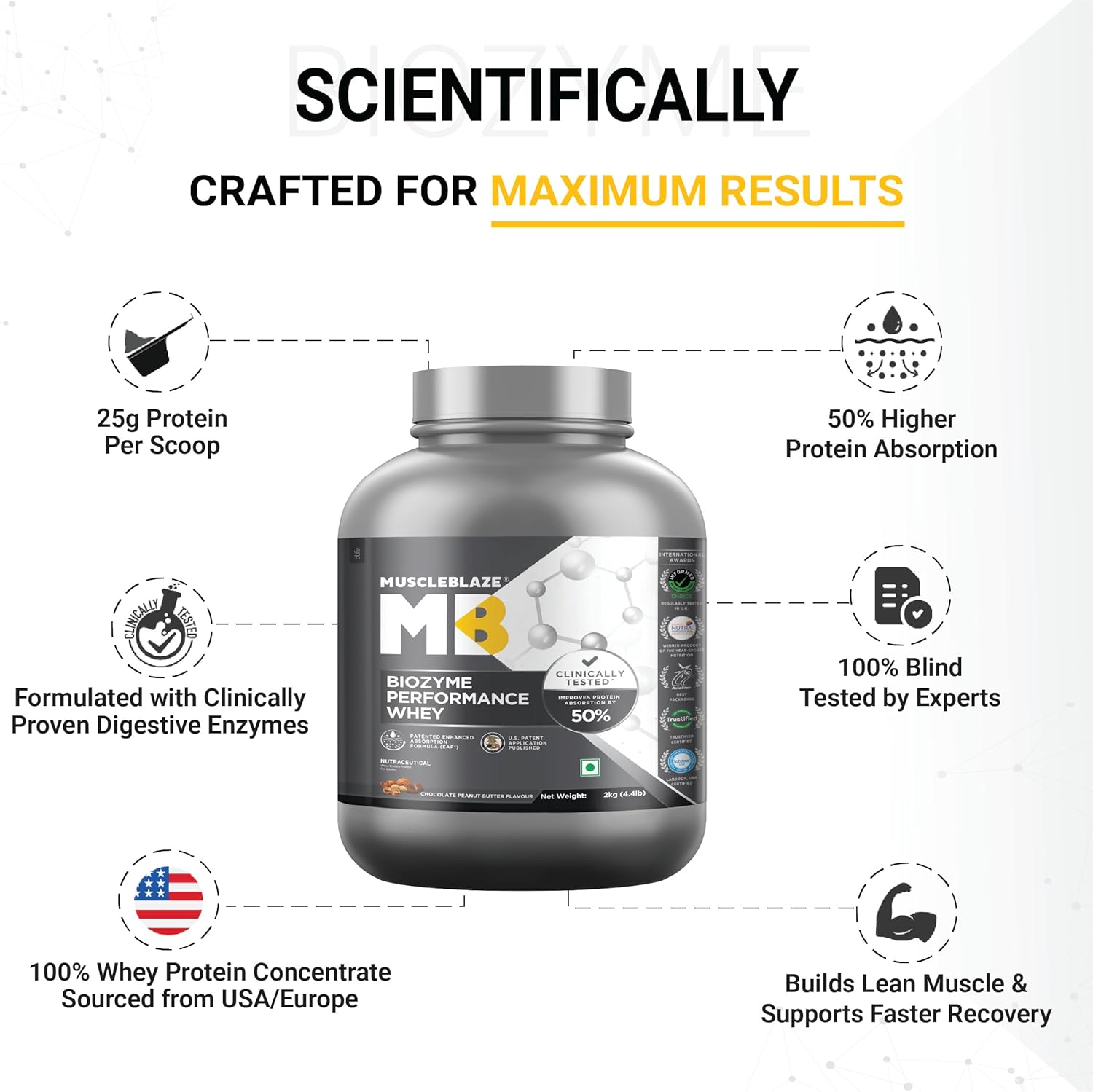
CHECK OUT - BEST MUSCLEBLAZE WHEY PROTEIN
MuscleBlaze Biozyme Performance Whey Protein Powder, Chocolate Peanut Butter (2kg / 4.4lbs) | 25g Protein Per Scoop
Check Price on Amazon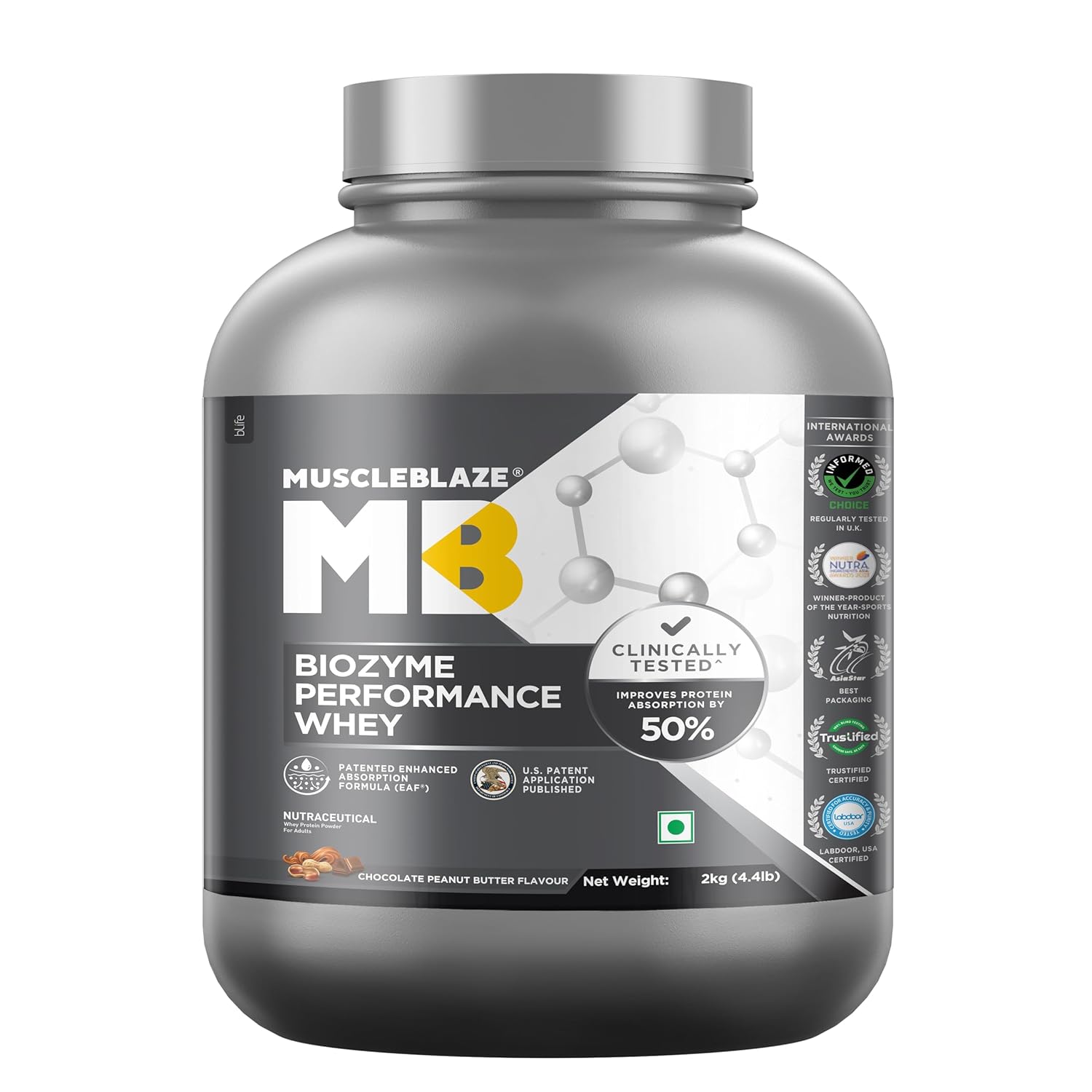

Tracking Performance Using the WORKOUT-LOG
Your performance in the weight room is the ultimate indicator of whether you are successfully retaining muscle mass. By maintaining an active WORKOUT-LOG, you can track your exact sets, reps, and resistance loads for every single exercise over time.
If you notice that your lifting performance or strength levels drop sharply over consecutive sessions, it is a clear warning sign that your caloric deficit is too aggressive or your protein is too low. Monitoring these trends allows you to correct your course quickly before any muscle loss occurs.
Conclusion
Mastering how to lose fat keep muscle requires balancing your nutritional adjustments with smart, heavy weight training. By setting realistic weight loss goals and avoiding rapid weight loss protocols, you give your body the time it needs to systematically mobilize fat stores while leaving muscle tissue intact. A structured high protein deficit diet ensures your muscles receive a steady stream of amino acids for recovery, while maintaining high training intensity tells your body that muscle tissue is absolutely necessary for daily performance.
You don't have to guess your way through this process. Taking advantage of the professional resources on Rahullifters can make your fitness journey simple and highly predictable. Use the CAL-TRACK platform to manage your macronutrient intake, monitor your performance benchmarks carefully with the online WORKOUT-LOG, and get customized nutrition blueprints using the CUSTOM DIET-PLAN-MAKER. Stay consistent, track your data accurately, and watch your physique transform cleanly.
CHECK OUT - BEST WELLCORE CREATINE FOR MUSCLE-GAINING
Wellcore Pure Micronised Creatine Powder (33 Servings, Tropical Tango) For Enhanced Muscle Strength
Check Price on Amazon


Frequently Asked Questions (FAQs)
Can a beginner build muscle and lose fat at the same time?
Yes, beginners are excellent candidates for body recomposition. Because their muscles are highly sensitive to the stimulus of weight training, their bodies can easily utilize energy from stored body fat to build new muscle tissue simultaneously, provided they consume adequate dietary protein daily.
How much cardio should I do during a cutting phase?
Cardio should be treated as a secondary tool to increase your daily energy expenditure, not as the primary driver of fat loss. Doing excessive amounts of high-intensity cardio can interfere with your weightlifting recovery and lead to muscle loss. Focus on 2 to 3 low-impact cardio sessions per week alongside regular daily walking.
What happens if my calories are too low during a cut?
If your calories drop too low, your body enters a protective metabolic state where it actively breaks down muscle tissue for fast fuel and downregulates its daily energy expenditure. This stalls your fat loss, decreases your strength levels significantly, and leaves you looking flat and fatigued.
How long should a body recomposition phase last?
A typical cutting or body recomposition phase usually lasts between 8 to 12 weeks. This timeframe is long enough to yield noticeable fat-loss results while being short enough to avoid the metabolic adaptations, hormonal drops, and mental fatigue associated with chronic dieting.
Comments
Post a Comment