

Creatine Monohydrate vs. All Other Supplements

In the world of fitness and bodybuilding, the supplement industry is a multi-billion dollar behemoth designed to convince you that you are always one "magic pill" away from your dream physique. For the natural lifter at
However, when we strip away the marketing fluff and look at peer-reviewed clinical data, one king remains on the throne: Creatine Monohydrate. In this full-depth guide, we will compare Creatine to every other major supplement category to determine what is worth your hard-earned money and what is simply expensive urine.
CHECK OUT - BEST MUSCLEBLAZE WHEY PROTEIN
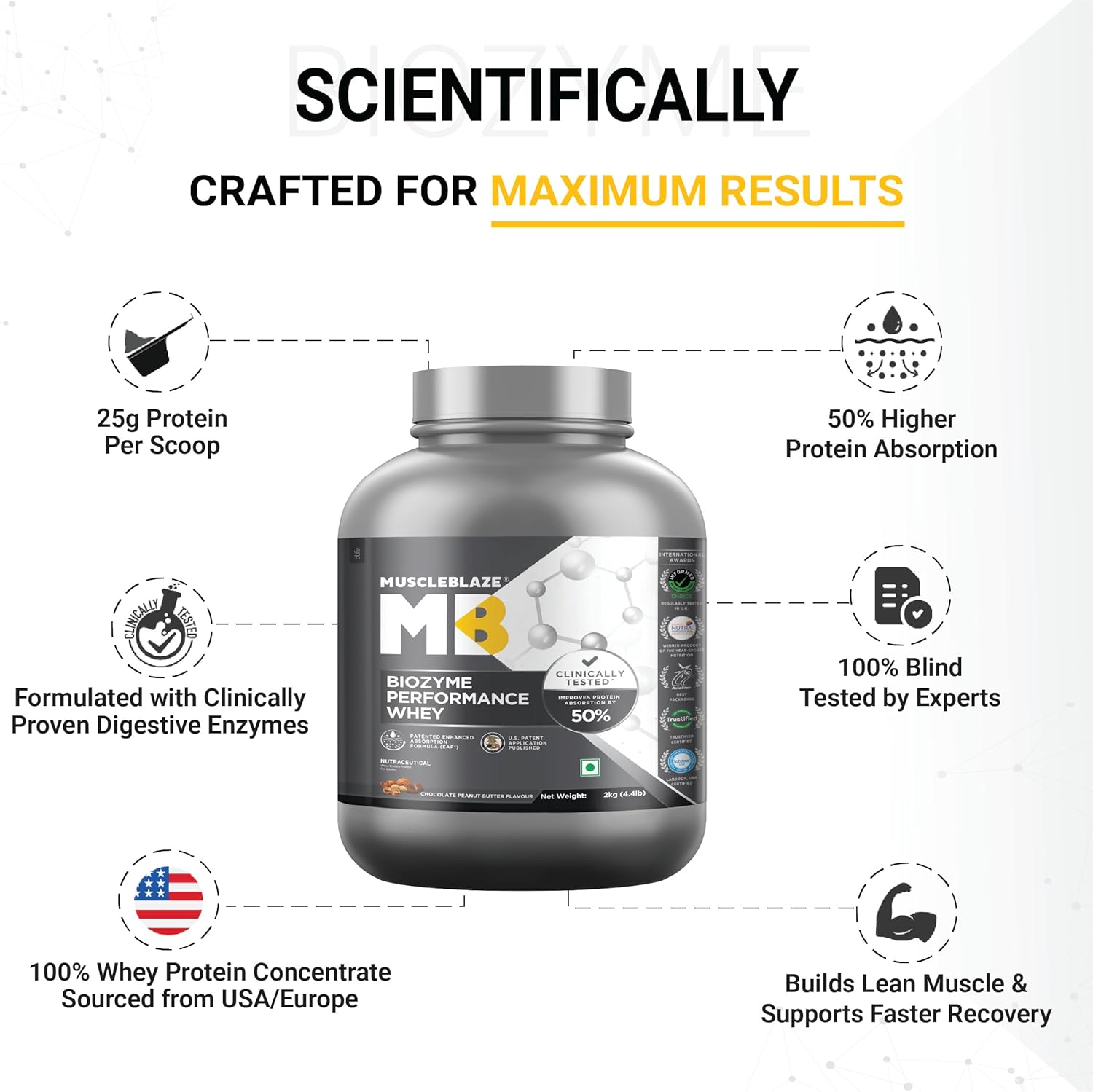
MuscleBlaze Biozyme Performance Whey Protein Powder, Chocolate Peanut Butter (2kg / 4.4lbs) | 25g Protein Per Scoop
Check Price on Amazon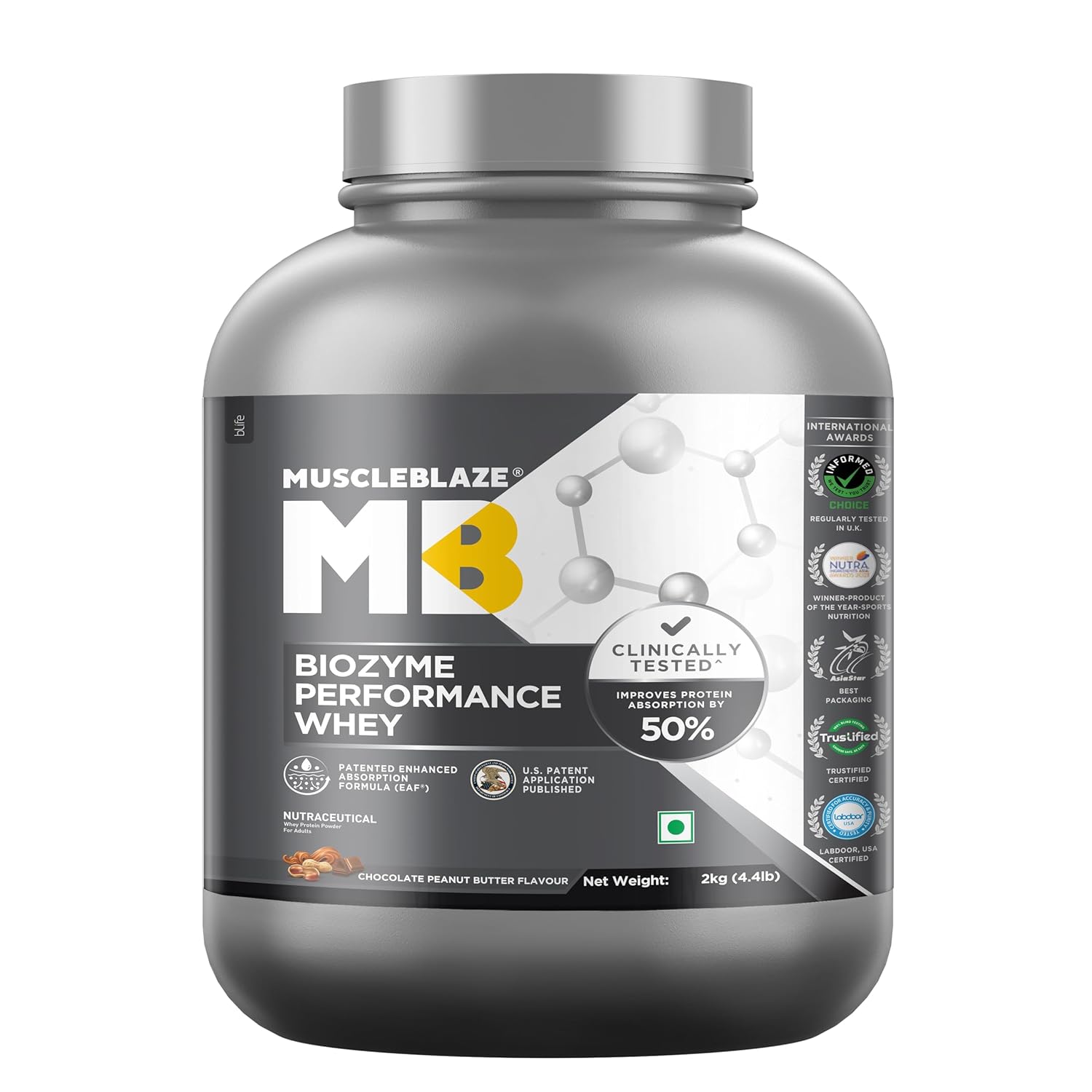

1. Creatine Monohydrate: The Gold Standard of Sports Science

Creatine is the most researched sports supplement in history. It is a naturally occurring compound found in meat and fish, and it is also synthesized by your body.
How Creatine Works (The ATP-CP System)
Your muscles use a molecule called Adenosine Triphosphate (ATP) for energy. When you lift heavy, ATP loses a phosphate and becomes ADP. Creatine provides that missing phosphate, rapidly regenerating ATP.
The Result: You can perform 2–3 more reps with a heavy load than you could without it.
The Weight Gain: Creatine draws water into the muscle cell (Cell Volumization), which increases protein synthesis.
Why "Monohydrate" is the Best Version
Despite the "Creatine HCL," "Nitrate," or "Buffered" versions sold at higher prices, Monohydrate remains 99% bioavailable. There is zero scientific evidence that other forms provide better results.
2. Creatine vs. Pre-Workout Stimulants
Most pre-workouts are essentially flavored caffeine powders.
The Immediate vs. Chronic Effect
Pre-Workout: Provides a temporary spike in energy and focus via the central nervous system. It does not build muscle directly.
Creatine: Works through saturation. It doesn't matter when you take it; what matters is that your muscle stores are full.
The Verdict
If you are on a budget, choose Creatine. You can get caffeine from a $1 cup of black coffee. Creatine provides a physiological advantage that caffeine cannot match.
Wellcore Pure Micronised Creatine Powder (33 Servings, Tropical Tango) For Enhanced Muscle StrengthCHECK OUT - BEST WELLCORE CREATINE FOR MUSCLE-GAINING


3. Creatine vs. Branched-Chain Amino Acids (BCAA)
BCAAs (Leucine, Isoleucine, and Valine) are perhaps the most over-hyped supplements in history.
The Science of BCAAs
Muscle Protein Synthesis (MPS) requires all nine Essential Amino Acids (EAAs). Taking only three is like trying to build a house with only a hammer and no nails. If you eat enough protein, BCAAs provide zero additional benefit.
The Comparison
Creatine: Significantly increases strength and power output.
BCAAs: Mostly flavored water with negligible impact on growth.
4. Creatine vs. Whey Protein Powder
This isn't a battle of which is "better," but rather a misunderstanding of what they are.
Whole Food vs. Ergogenic Aid
Whey Protein: Is simply food. It is a convenient way to hit your daily protein targets.
Creatine: Is an ergogenic aid. You would have to eat 2-3 pounds of raw steak a day to get the 5g of Creatine found in one scoop of powder.
The Verdict
Use CAL-TRACK at
5. Creatine vs. Beta-Alanine
Beta-Alanine is the supplement responsible for the "tingling" sensation in pre-workouts.
Buffering Lactic Acid
Beta-alanine increases carnosine levels in the muscle, which helps buffer the "acidic" feeling during high-rep sets (15+ reps).
Creatine: Better for power and strength (1-12 reps).
Beta-Alanine: Better for endurance and high-volume fatigue.
The Verdict
Creatine is more versatile for the average lifter. Beta-alanine is a "nice-to-have" secondary supplement.
6. Creatine vs. Fat Burners
This is where the industry becomes most predatory.
The Myth of Fat-Burning Pills
Most "Fat Burners" are just high-dose stimulants that slightly increase your heart rate. The caloric burn increase is roughly 50–100 calories—easily undone by one extra bite of food.
The Scientific Truth
Fat loss is governed by your caloric deficit. Use CAL-TRACK to manage your energy balance. Creatine, by helping you maintain muscle during a cut, is actually a better "fat loss" tool than most fat burners because muscle burns more calories at rest.
7. The Myth of the "Creatine Loading Phase"
The industry often tells you to take 20g a day for the first week.
Is Loading Necessary?
Loading (20g/day): Reaches muscle saturation in 5–7 days.
Standard (5g/day): Reaches muscle saturation in 21–28 days.
The Verdict
Loading isn't necessary unless you have a competition in a week. Taking 5g daily from the start is easier on the stomach and achieves the same long-term results.
8. Safety and Side Effects: Debunking the Lies
Does Creatine Cause Hair Loss?
One 2009 study on rugby players showed an increase in DHT, but it has never been replicated. There is no direct evidence linking Creatine to baldness.
Is Creatine Bad for the Kidneys?
In healthy individuals, Creatine is perfectly safe. It may raise "Creatinine" levels in blood tests, but this is a harmless byproduct of supplement use, not a sign of kidney damage.
Does it Cause Bloating?
Only if you take too much at once. 5g of Monohydrate typically causes "intracellular" hydration (inside the muscle), which makes you look fuller, not bloated.
9. How to Use Creatine with WORKOUT-LOG
To get the most out of Creatine, your nutrition must be on point.
Consistency: Take 5g every single day (even on rest days).
Hydration: Creatine requires extra water to work effectively. Aim for 3–4 liters daily.
Track Progress: Use WORKOUT-LOG at
www.rahullifters.com
Frequently Asked Questions (FAQ)
1. Can teenagers take Creatine?
Most health organizations suggest waiting until 18 simply because younger lifters should focus on mastering form and diet first. However, there is no evidence that it is harmful to adolescents.
2. Does Creatine expire?
Creatine Monohydrate is very stable. Even if it is a year past its "best by" date, as long as it has been kept dry, it is likely still effective.
3. Should I take Creatine with sugar?
Insulin can help "drive" Creatine into the muscle cells. Taking it with a meal or a post-workout shake containing carbs is a good practice, but not strictly mandatory.
4. What happens if I stop taking Creatine?
Your muscle stores will slowly return to baseline over 3–4 weeks. You might lose some water weight and a bit of "explosive" power, but you will not lose the actual muscle tissue you built.
5. Is it worth buying "Elite" Creatine blends?
No. Always look for "Micronized Creatine Monohydrate." If it has the Creapure label, it is the highest purity available. Avoid expensive blends with added sugars or "fillers."
Conclusion: Spend Your Money Wisely
If your supplement cabinet is full of BCAAs, Fat Burners, and Testosterone Boosters, you are wasting money. For the natural lifter, the hierarchy is simple:
Real Food (Tracked via CAL-TRACK)
Creatine Monohydrate (5g Daily)
Caffeine (As needed for energy)
Whey Protein (Only if you can't eat enough whole protein)
Everything else is just noise. Focus on the science, lift heavy, and stay consistent at
MORE ARTICLE (MIGHT HELP YOU):
CHECK-OUT: How Long Should a Workout Be?
CHECK-OUT: How Many Sets and Reps for Muscle Growth?
CHECK-OUT: 10 Diet Mistakes That Are Ruining Your Fitness Progress
HERE YOU CAN COUNT YOUR DAILY CALORIES AND MACROS (PROTEIN, CARBS, FATS) 100% FREE-OF-COST
IMAKE A CUSTOMIZED DAILY-DIET PLAN ACCORDING TO YOUR PREFERENCE (LIKE - VEGAN or NON-VEGAN, SUPPLIMENTS or WITHOUT-SUPPLIMENTS, GAINING or CUTTING)
HERE YOU CAN KEEP RECORDS YOUR GYM-WORKOUT/CARDIO (LIKE - REPS, SETS, NAME OF EXERCISE, VOLUME,).
Comments
Post a Comment