

What Happens If You Eat Too Much Protein? - SIDE EFFECTS? ANY EXTRA BENIFITS? AtoZ GUIDE.

Protein is often celebrated as the ultimate macronutrient for building muscle, losing fat, and recovering from intense workouts. Fitness enthusiasts, bodybuilders, and athletes constantly look for ways to increase their daily intake. However, a common question arises among health-conscious individuals: what happens if you eat too much protein? While it is essential for repairing tissues and supporting metabolic functions, consuming it in extreme excess can lead to unwanted side effects. Understanding the balance between optimal intake and overconsumption is crucial for maintaining long-term health and achieving your fitness goals efficiently.
Many people believe that when it comes to muscle building, more is always better. This mindset often leads to excessive reliance on supplements, massive meat portions, and imbalanced diets. Exploring the physiological impact of a very high-protein diet reveals how the body processes excess nutrients. By identifying the signs of overconsumption, you can optimize your nutrition plan without putting unnecessary stress on your system. Using digital tools like the CAL-TRACK calculator on Rahullifters can help you precisely determine your daily target and avoid the pitfalls of overeating any single macronutrient.
How much protein is considered too much?
To understand what constitutes excess, it helps to establish standard dietary guidelines. The Recommended Dietary Allowance (RDA) for a sedentary adult is a modest 0.8 grams per kilogram of body weight. However, for individuals engaged in intense weightlifting or endurance sports, this requirement increases significantly to support muscle protein synthesis and recovery.
Fitness experts generally recommend a range of 1.6 to 2.2 grams of protein per kilogram of body weight (or roughly 1 gram per pound of lean mass) for active individuals. Consuming more than 3 grams per kilogram daily is generally considered excessive for most people. At this stage, the body cannot utilize the extra amino acids for muscle building, and they must be processed and eliminated or stored as energy.
To figure out your specific target based on your training volume, you can use the CUSTOM DIET-PLAN-MAKER. This tool automatically adjusts your macronutrient splits based on your lifestyle, preventing you from accidentally overconsuming nutrients while ensuring you hit your muscle-building goals.
CHECK OUT - BEST MUSCLEBLAZE WHEY PROTEIN
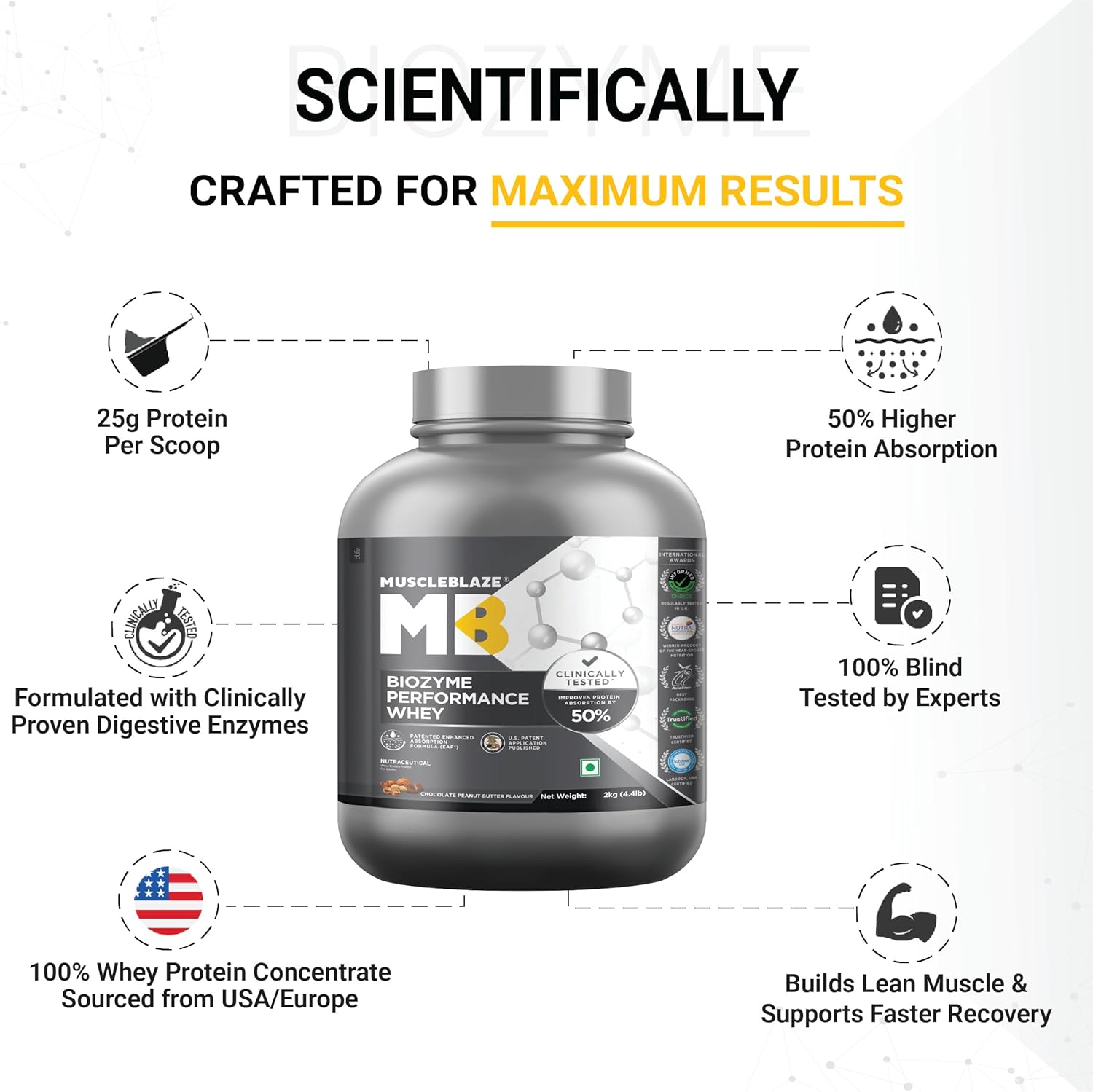
MuscleBlaze Biozyme Performance Whey Protein Powder, Chocolate Peanut Butter (2kg / 4.4lbs) | 25g Protein Per Scoop
Check Price on Amazon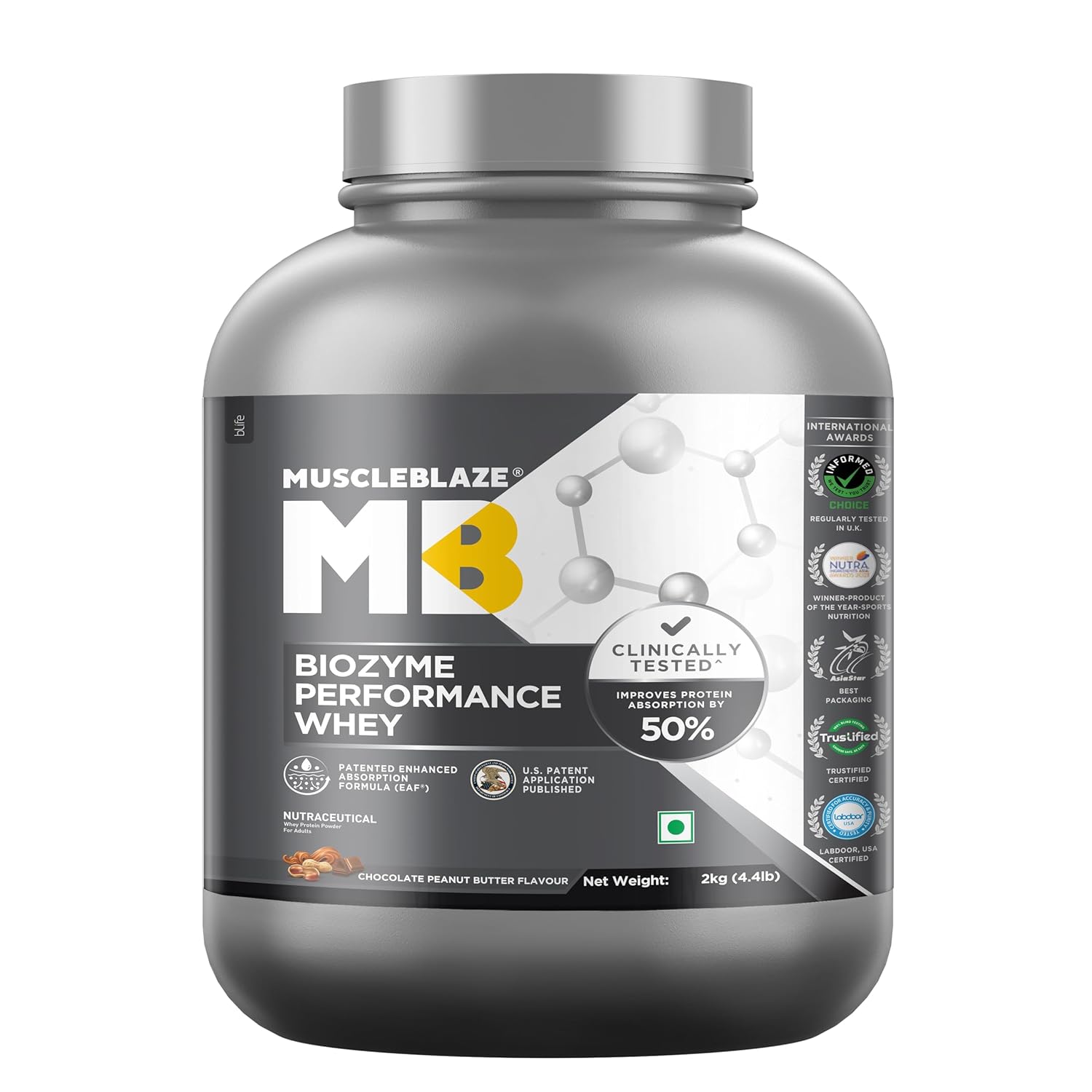

The limit of muscle protein synthesis
A widespread myth in bodybuilding culture is that eating a massive amount of protein in a single sitting will trigger massive muscle growth. In reality, muscle protein synthesis has a ceiling effect. Research suggests that the body can maximize muscle building with roughly 20 to 40 grams of high-quality protein per meal.
Any amount consumed beyond this threshold is not used to build extra muscle. Instead, the excess amino acids are oxidized for energy or converted into urea to be excreted through urine. Therefore, spreading your intake across multiple meals throughout the day is far more effective than eating massive amounts all at once.
Short-term side effects of eating too much protein
When you drastically increase your intake without adjusting other lifestyle factors, your body reacts to the sudden shift. Short-term side effects are often digestive or metabolic as the gastrointestinal tract and organs work overtime to break down the dense macronutrient molecules.
These symptoms serve as early warning signs that your diet may lack balance. Ignoring these signs can lead to discomfort and interfere with your training consistency in the gym.
1. Digestive discomfort and constipation
High-protein diets often lack sufficient dietary fiber, especially when people replace whole grains, fruits, and vegetables with meat, eggs, and dairy. Fiber is essential for maintaining regular bowel movements and supporting a healthy gut microbiome.
Without adequate fiber, you are highly likely to experience constipation, bloating, and abdominal cramping. To fix this, ensure you balance your plate with fibrous carbohydrates, or use a tracking tool to monitor your daily fiber and macro percentages accurately.
2. Dehydration and increased thirst
As your body breaks down protein, it produces a byproduct called urea, which contains nitrogen. The kidneys are responsible for filtering urea out of the bloodstream and flushing it out of the body through urine.
This filtration process requires a significant amount of water. Consequently, a high-protein intake naturally increases your fluid requirement. If you do not drink enough water, you will quickly become dehydrated, leading to dry mouth, headaches, and a noticeable drop in athletic performance.
3. Unpleasant bad breath
Consuming excessive amounts of protein while restricting carbohydrates can push your body into a metabolic state called ketosis. In ketosis, the body burns fat for fuel instead of glucose, producing ketones as a byproduct.
One specific ketone, acetone, is excreted through the breath, causing a distinct, fruity, or metallic odor often referred to as "keto breath." Standard oral hygiene like brushing and flossing won't fully eliminate this smell, as it originates from your internal metabolism.
CHECK OUT - BEST WELLCORE CREATINE FOR MUSCLE-GAINING
Wellcore Pure Micronised Creatine Powder (33 Servings, Tropical Tango) For Enhanced Muscle Strength
Check Price on Amazon


Long-term health risks of chronic overconsumption
While short-term discomforts are manageable, maintaining an excessively high-protein diet for months or years can potentially strain your vital organs and alter your overall health profile negatively.
It is important to look at what science says regarding long-term metabolic strain, kidney health, and cardiovascular risk factors associated with extreme dietary habits.
Kidney strain and function issues
A common concern is whether high protein intake damages the kidneys. For individuals with healthy, normal kidney function, scientific evidence suggests that a high intake is generally safe and will not cause kidney disease.
However, for people who have underlying, undiagnosed kidney issues, a chronic excess forces the kidneys to work significantly harder to filter out nitrogenous waste products. Over time, this extra workload can accelerate the decline of kidney function. It is always wise to balance your intake and monitor your health markers regularly.
Increased risk of cardiovascular disease
The risk to your heart depends heavily on the specific sources of your protein. If your high-protein diet consists primarily of fatty cuts of red meat, full-fat dairy, and processed meats, you will naturally consume high amounts of saturated fats and cholesterol.
This eating pattern can elevate low-density lipoprotein (LDL) cholesterol levels, increasing the risk of plaque buildup in the arteries and cardiovascular disease. Choosing lean sources like chicken breast, fish, tofu, and legumes helps mitigate this risk significantly.
Unintended weight gain and fat storage
Many people believe that protein calories cannot make you fat. However, the laws of thermodynamics still apply. If you consume more calories than your body burns, you will gain weight, regardless of whether those calories come from carbohydrates, fats, or protein.
When your body receives more amino acids than it requires for tissue repair and energy production, the liver converts the excess into fatty acids, which are then stored as adipose tissue (body fat). Keeping track of your total caloric balance is essential for preventing unwanted fat gain.
How to track and optimize your daily macronutrients
The best way to avoid the negative effects of eating too much protein is to take a structured approach to your daily nutrition. Tracking your food intake gives you clear visibility into your eating habits and allows you to make precise adjustments for better fitness results.
Instead of guessing your portions or assuming you need more, using dedicated digital tools can simplify your fitness journey and ensure you are fueling your body safely and effectively.
Using CAL-TRACK for perfect macronutrient balance
To take the guesswork out of dieting, you can utilize the CAL-TRACK tool available on Rahullifters. This tool allows you to log all your meals, track your custom food items, and see exactly how many grams of protein, carbs, and fats you consume daily.
By analyzing your daily breakdown, you can quickly identify if your intake is unsustainably high. This ensures you eat enough to build muscle while leaving ample room for the carbohydrates and healthy fats your body requires for optimal energy levels.
Correlating intake with your WORKOUT-LOG
Your nutritional needs are directly tied to your physical activity. A heavy lifting day requires a different level of recovery fuel compared to a rest day. By maintaining an accurate WORKOUT-LOG, you can track your sets, reps, and overall training volume.
When you see your exercise data alongside your nutritional intake, you can scale your food up or down accurately. If your training volume decreases, you can lower your protein intake slightly to avoid unnecessary caloric excess while preserving your hard-earned muscle mass.
Conclusion
Protein is undoubtedly a foundational component of a successful fitness regimen, but moderation remains key to long-term health. Consuming it in massive, unnecessary amounts does not accelerate muscle growth; instead, it can cause digestive issues, dehydration, bad breath, and potential metabolic strain over time. To maximize your physical progress without compromising your well-being, strive for a balanced approach that includes a variety of whole foods, adequate fiber, and sufficient hydration.
Taking advantage of specialized tools like the CAL-TRACK system, logging your exercise consistency in the WORKOUT-LOG, and generating optimized meal structures via the CUSTOM DIET-PLAN-MAKER will provide the precision you need. By aligning your dietary intake with your actual training output, you can build a strong, healthy physique safely and sustainably.
CHECK OUT - BEST PEANUT BUTTER 100% PEANUTS ONLY
Pintola All Natural Peanut Butter Crunchy 1kg | Smooth, Unsweetened | 30g Protein | Gluten & Cholesterol Free, Vegan Peanut Butter, Nut Butter, High in Protein Spread, 100% Pure Roasted peanuts butter
Check Price on Amazon


Frequently Asked Questions (FAQs)
Can eating too much protein cause hair loss?
There is no direct scientific evidence linking high protein consumption to hair loss. In fact, hair follicles are made primarily of a protein called keratin, making adequate intake essential for healthy hair growth. However, if an extreme high-protein diet causes severe nutritional deficiencies in essential vitamins and minerals, it could indirectly impact hair health.
Will excess protein turn directly into body fat?
Yes, if your total caloric intake exceeds your daily total energy expenditure, any excess macronutrient, including protein, can be converted into fat and stored in the body. While it has a higher thermic effect than carbs or fats, it cannot bypass the fundamental rules of a caloric surplus.
How do I know if I am consuming too much protein?
Common warning signs include persistent indigestion, chronic constipation, unusual bad breath, constant mild dehydration or excessive thirst, and unexplained fatigue. Tracking your meals using an online food diary can quickly show you if your daily grams exceed the recommended guidelines for your body weight.
Does a high-protein diet damage healthy kidneys?
In individuals with completely healthy kidney function, studies show that a higher intake does not cause kidney disease or structural damage. The kidneys adapt to the increased filtering workload. However, for anyone with pre-existing kidney disease, a high intake can accelerate renal decline and should be carefully managed by a doctor.
Comments
Post a Comment