

How Many Sets and Reps for Muscle Growth?

The question of "how many sets and reps for muscle growth" is the most debated topic in resistance training. While many lifters follow random "bro-science" routines, natural hypertrophy is actually governed by specific physiological laws. To transform your physique at
1. Defining Hypertrophy: The Science of Muscle Tissue Expansion
Muscle hypertrophy is the increase in the size of muscle cells. This is primarily achieved through two mechanisms: mechanical tension and metabolic stress.
What is Mechanical Tension?
Mechanical tension occurs when you lift heavy weights through a full range of motion. This tension "stretches" the muscle fibers, signaling the body to repair them larger and stronger.
What is Metabolic Stress?
Metabolic stress is the "burn" or "pump" felt during higher-repetition training. This is caused by the buildup of metabolites like lactate and the swelling of cells, which triggers hormonal growth signals.
CHECK OUT - BEST MUSCLEBLAZE WHEY PROTEIN
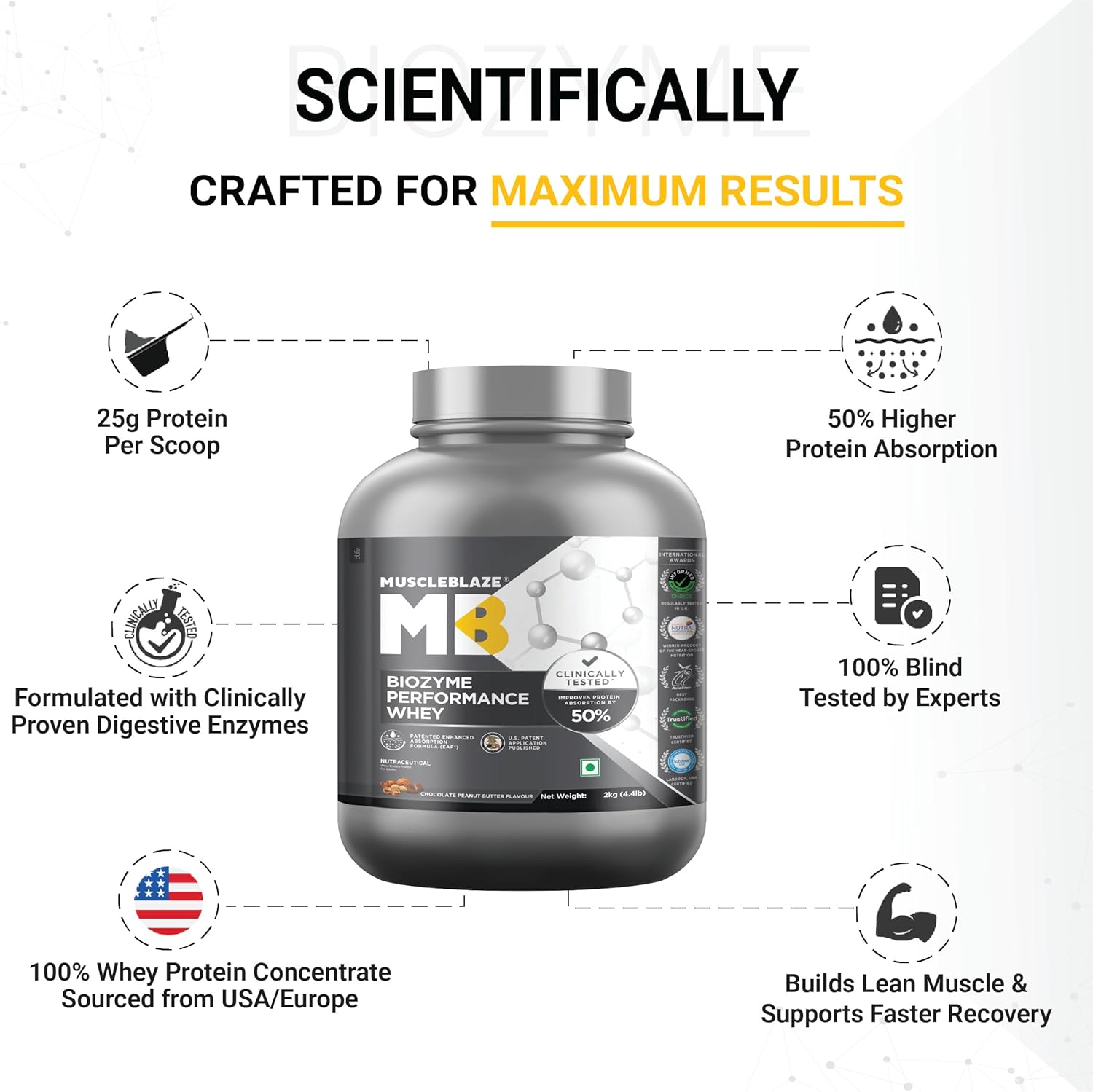
MuscleBlaze Biozyme Performance Whey Protein Powder, Chocolate Peanut Butter (2kg / 4.4lbs) | 25g Protein Per Scoop
Check Price on Amazon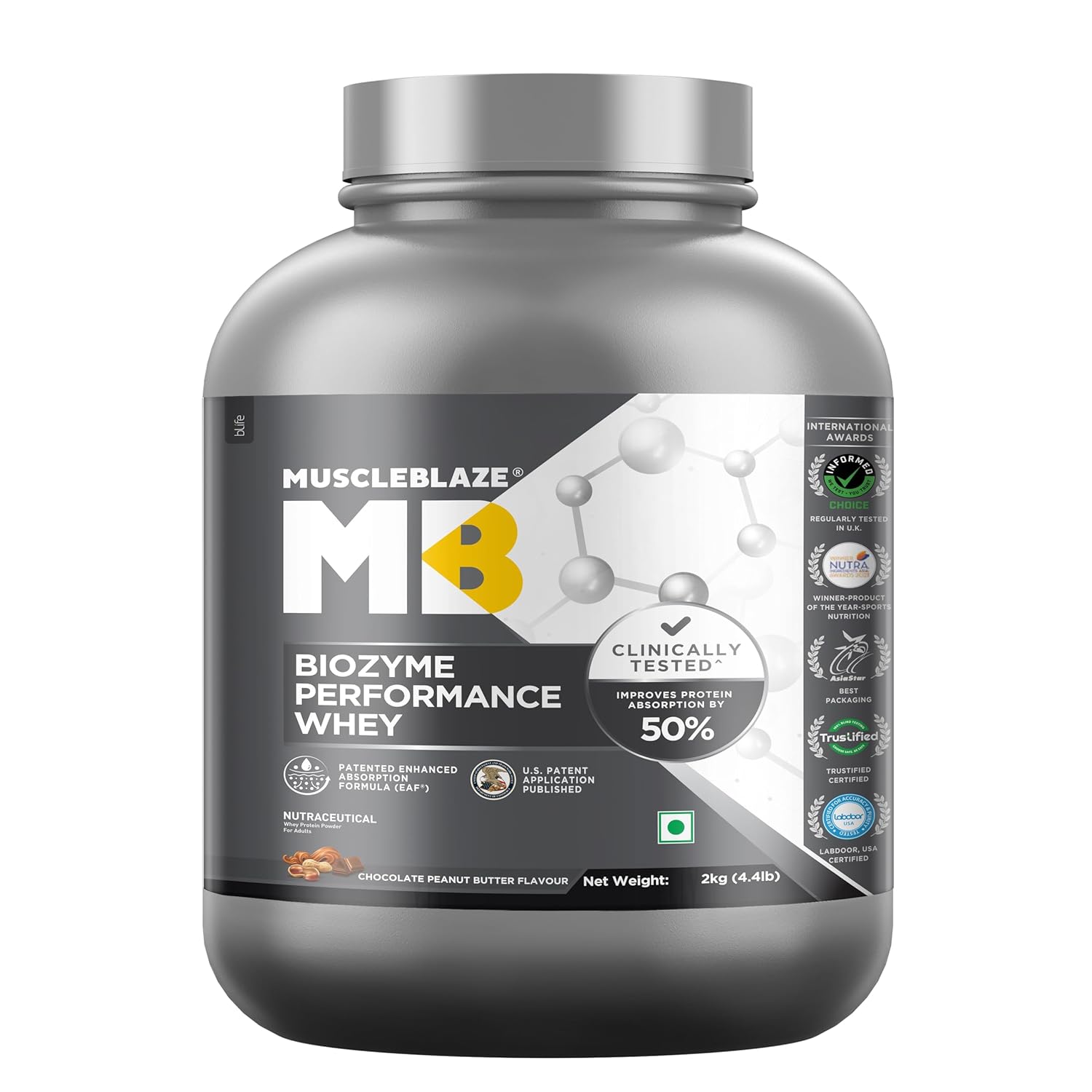

2. Optimal Rep Ranges for Maximum Muscle Hypertrophy
For decades, the "hypertrophy range" was strictly defined as 8–12 reps. However, modern sports science has evolved this view.
The Low Rep Range (1–5 Reps)
Primary Focus: Myofibrillar hypertrophy and neurological strength.
Application: Best used for heavy compound lifts like Squats and Deadlifts to build a strength foundation.
The Moderate Rep Range (6–12 Reps)
Primary Focus: The "Sweet Spot" for sarcoplasmic hypertrophy.
Application: Ideal for most compound and isolation movements to balance tension and metabolic stress.
The High Rep Range (15–30 Reps)
Primary Focus: Metabolic stress and muscular endurance.
Application: Effective for isolation moves (like lateral raises) where heavy weights might cause joint discomfort.
3. Weekly Volume: How Many Sets Per Muscle Group?
Volume is the total amount of work performed. Science measures this by "Hard Sets" per muscle group per week.
Maintenance Volume (4–6 Sets)
This is the minimum work required to keep the muscle you already have. Use this during high-stress life periods or extreme fat-loss phases.
Minimum Effective Volume (10–12 Sets)
Most natural lifters need at least 10 sets per week to see visible growth. This ensures that muscle protein synthesis remains elevated.
Maximum Recoverable Volume (20+ Sets)
This is the ceiling of training. If you exceed 20 sets per muscle group, you risk overtraining and central nervous system fatigue.
4. Understanding Intensity: The Role of RPE and RIR
Sets and reps mean nothing if the effort is too low. You must train close to "Technical Failure."
What is RIR (Reps in Reserve)?
RIR measures how many more reps you could have done. For muscle growth, most sets should finish with 1–2 RIR.
What is RPE (Rate of Perceived Exertion)?
On a scale of 1–10, hypertrophy training should sit between 8 and 9. If your sets feel like a 5, you aren't providing enough stimulus for the body to change.
5. The Relationship Between Frequency and Volume
Frequency refers to how often you train a specific muscle. Natural lifters at
The 48-Hour Growth Window
Muscle protein synthesis typically returns to baseline 48 hours after a workout. If you only train a muscle once a week, you miss out on growth opportunities.
Spreading the Volume
Instead of doing 15 sets of chest on Monday, do 7 sets on Monday and 8 sets on Thursday. This maintains higher quality and intensity for every set.
6. Real-World Training Examples for Different Muscle Groups
Different muscles respond differently to set and rep variations based on their fiber type composition.
Example: Leg Training for Hypertrophy
Barbell Squats: 3 Sets of 6–8 Reps (Focus: Tension).
Leg Press: 3 Sets of 10–12 Reps (Focus: Volume).
Leg Extensions: 3 Sets of 15–20 Reps (Focus: Pump).
Example: Back Training for Width and Thickness
Weighted Pull-Ups: 3 Sets of 5–8 Reps.
Seated Cable Rows: 3 Sets of 10–12 Reps.
Dumbbell Pullovers: 3 Sets of 15 Reps.
CHECK OUT - BEST WELLCORE CREATINE FOR MUSCLE-GAINING
Wellcore Pure Micronised Creatine Powder (33 Servings, Tropical Tango) For Enhanced Muscle Strength
Check Price on Amazon


7. Progressive Overload: The Only Way to Keep Growing
If you do 3 sets of 10 reps with 100 lbs forever, you will never grow. You must provide a "new" stimulus.
Ways to Progress Beyond Reps
Increase Weight: Add 5 lbs to the bar.
Increase Reps: Do 12 reps instead of 10.
Increase Sets: Add a 4th set to your main lift.
Improve Technique: Slow down the eccentric (lowering) phase.
8. Common Myths About Sets and Reps
Myth: "High reps are only for cutting/toning."
Reality: High reps build muscle just as well as low reps, provided you go to failure. Cutting fat is determined by your caloric deficit, not your rep range.
Myth: "You must do 5 sets of every exercise."
Reality: Quality over quantity. Three high-intensity sets to failure are more effective than five "easy" sets with poor form.
9. Using a Workout-Log to Manage Training Volume
Your nutrition dictates how much volume you can handle. If you are eating in a deficit, your recovery is lower.
During a Bulk: You can push toward the 20-set limit.
During a Cut: Stick to 10–12 high-intensity sets to preserve muscle.
Tracking: Use Workout-Log at
www.rahullifters.com
Frequently Asked Questions (FAQ)
1. How many sets should a beginner do?
Beginners should start with lower volume, roughly 6–8 sets per muscle group per week. This allows the connective tissues and joints to adapt before increasing the workload.
2. Is it better to do more reps or more weight for growth?
Both are tools. For compound moves, more weight is generally better for building a foundation. For isolation moves, more reps allow for better mind-muscle connection and safety.
3. Should I count warm-up sets in my weekly volume?
No. Only count "Hard Sets"—those performed with an RPE of 8 or higher. Warm-up sets are for lubrication and neurological preparation, not for triggering growth.
4. How long should I rest between sets?
For hypertrophy, rest 2–3 minutes for compound lifts and 60–90 seconds for isolation moves. Resting too little prevents you from moving enough weight in the following set to trigger growth.
5. Can I grow muscle with just one set to failure?
While "High-Intensity Training" (HIT) can work, meta-analyses show that multiple sets (3–5) are superior for total volume and long-term muscle development.
Conclusion: Data-Driven Gains
Determining "how many sets and reps for muscle growth" is about finding your personal recovery threshold. Start with 10 sets per week, use a 6–12 rep range for most exercises, and ensure you are eating enough using WORKOUT-LOG
When your performance stalls, adjust your volume. When your energy drops, adjust your calories. This is the scientific path to a world-class physique.
For full-depth training programs and nutrition tools, stay connected with
READ MORE ARTICLES (MIGHT HELP YOU):
CHECK-OUT: 10 Diet Mistakes That Are Ruining Your Fitness Progress
CHECK-OUT: Top 10 Best Cardio Activities for Fat Loss
CHECK-OUT: Machine Exercise V/S Dumbbell Exercise
CHECK-OUT: 20 Best Low-Calorie Foods for Weight Loss
HERE YOU CAN COUNT YOUR DAILY CALORIES AND MACROS (PROTEIN, CARBS, FATS) 100% FREE-OF-COST
IMAKE A CUSTOMIZED DAILY-DIET PLAN ACCORDING TO YOUR PREFERENCE (LIKE - VEGAN or NON-VEGAN, SUPPLIMENTS or WITHOUT-SUPPLIMENTS, GAINING or CUTTING)
HERE YOU CAN KEEP RECORDS YOUR GYM-WORKOUT/CARDIO (LIKE - REPS, SETS, NAME OF EXERCISE, VOLUME,).
Comments
Post a Comment