

How Long Should a Workout Be? The Scientific Truth About Training Duration

The question of "how long should a workout be" is a primary concern for natural lifters at
This guide provides a full-depth explanation of training duration, hormonal responses, and how to optimize your schedule using our WORKOUT-LOG system.
1. The Physiological Limit: Why Longer Isn't Always Better
Spending excessive time in the gym can actually become counterproductive due to your body's hormonal environment.
The Cortisol vs. Testosterone Balance
After approximately 60–75 minutes of intense resistance training, your body's levels of cortisol (the stress hormone) begin to rise sharply. Simultaneously, testosterone and growth hormone levels begin to dip.
CHECK OUT - BEST WELLCORE CREATINE FOR MUSCLE-GAINING
Wellcore Pure Micronised Creatine Powder (33 Servings, Tropical Tango) For Enhanced Muscle Strength
Check Price on Amazon


Risk of Central Nervous System (CNS) Fatigue
Longer workouts tax the nervous system. When your CNS is fatigued, your "force production" drops. This means your last few exercises are likely being performed with 50% efficiency, wasting your time and recovery resources.
2. Categorizing Workout Durations by Fitness Goals
Your ideal training time depends heavily on the specific physiological adaptation you are chasing.
Strength Training Duration (60–90 Minutes)
Why: Building raw strength requires long rest periods (3–5 minutes) between heavy sets of 1–5 reps.
Time Usage: Most of this time is spent recovering so the nervous system can move maximum loads again.
Hypertrophy / Muscle Building Duration (45–75 Minutes)
Why: Muscle growth requires moderate volume with shorter rest periods (60–90 seconds).
Time Usage: High density. You are performing more work in less time to create metabolic stress.
Fat Loss and Conditioning Duration (20–45 Minutes)
Why: High-Intensity Interval Training (HIIT) or circuit training is designed to be short and anaerobic.
Time Usage: Minimal rest to keep the heart rate in the fat-burning and cardiovascular zones.
3. Breaking Down the "Perfect Gym Hour"
If you have 60 minutes to train, here is how a scientifically optimized session looks:
The Dynamic Warm-Up (5–10 Minutes)
Purpose: Increasing core temperature and lubricating joints.
Requirement: Movements like arm circles, leg swings, and "empty bar" practice sets.
The Primary Compound Lift (15–20 Minutes)
Purpose: Heavy mechanical tension.
Requirement: Exercises like Squats, Bench Press, or Deadlifts.
Accessory and Isolation Work (20–25 Minutes)
Purpose: Volume and metabolic stress (the "pump").
Requirement: 3–4 exercises targeting specific muscle groups.
The Cool Down and Stretching (5 Minutes)
Purpose: Shifting from a sympathetic (fight or flight) to a parasympathetic (rest and digest) state.
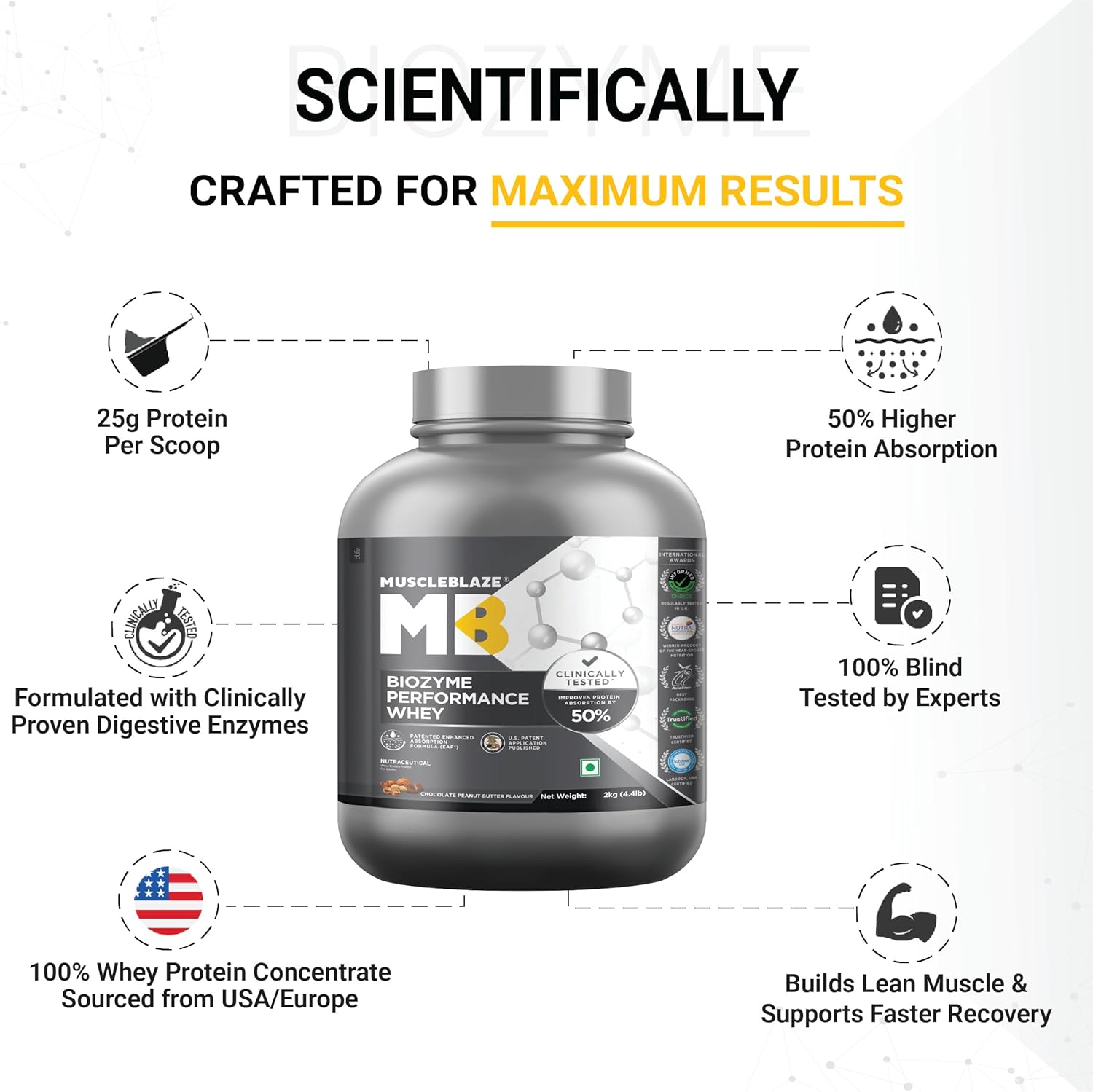
CHECK OUT - BEST MUSCLEBLAZE WHEY PROTEIN
MuscleBlaze Biozyme Performance Whey Protein Powder, Chocolate Peanut Butter (2kg / 4.4lbs) | 25g Protein Per Scoop
Check Price on Amazon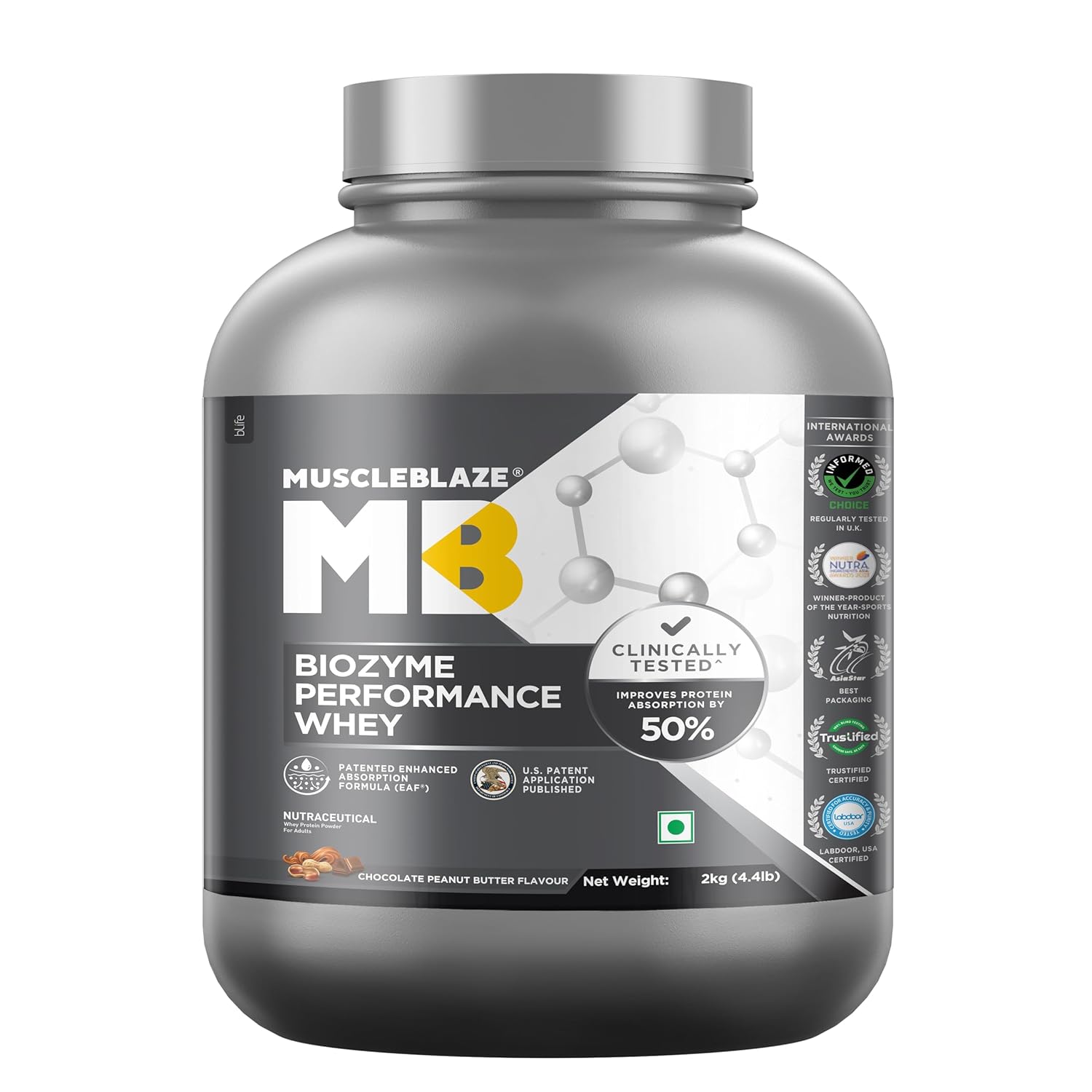

4. How Training Frequency Affects Your Daily Duration
If you train more often, your individual sessions can be significantly shorter.
The Full Body Split (90 Minutes / 3 Days Week)
Since you are hitting every muscle in one go, these sessions are naturally longer.
The Push/Pull/Legs Split (60 Minutes / 6 Days Week)
By splitting the body into segments, you can keep sessions intense and brief, allowing for better recovery.
5. Identifying the Signs of "Junk Volume"
"Junk volume" refers to sets performed when you are too fatigued to stimulate growth.
Symptoms of Junk Volume:
You are resting 5 minutes for a bicep curl.
Your form is breaking down significantly.
You no longer feel a "mind-muscle connection."
You are just "going through the motions" to finish the list.
Scientific Fix:
If you cannot complete an exercise with at least 1–2 Reps in Reserve (RIR), it is better to end the workout than to continue with low-quality reps.
6. The Role of Nutrition in Workout Longevity
How long you can train is often determined by what you eat.
Intra-Workout Nutrition
For sessions exceeding 75 minutes, consuming fast-acting carbohydrates (like a sports drink) can help maintain blood glucose levels and delay the onset of fatigue.
Using WORKOUT-LOG for Performance
Use the WORKOUT-LOG tool at
In a Deficit: Keep workouts shorter (45 mins) to prevent muscle wasting.
In a Surplus: You can handle longer sessions (75+ mins) due to increased glycogen stores.
7. Recovery and The "Hidden" Part of the Workout
Your workout doesn't end when you leave the gym; that is simply when the repair phase begins.
The 48-Hour Recovery Rule
Muscle protein synthesis remains elevated for roughly 48 hours. If you train a muscle for 3 hours on Monday, you might be so sore that you can't train properly on Wednesday, actually slowing down your weekly progress.
8. Efficiency Tactics for Busy Professionals
If you only have 30 minutes, you can still achieve elite results using these advanced protocols:
Supersets
Performing two exercises for opposing muscle groups back-to-back (e.g., Bicep Curls and Tricep Extensions).
Myo-Reps
A method of "rest-pause" training that allows you to reach effective reps much faster than traditional sets.
Drop Sets
Reducing the weight and continuing the set to maximize metabolic stress in a short window.
9. Common Queries Regarding Workout Time
Is a 30-minute workout enough to build muscle?
Yes, if the intensity is extremely high. Research shows that 3-5 hard sets per muscle group taken to failure can stimulate significant hypertrophy even in short windows.
What happens if I rest too long between sets?
Resting too long (over 5 minutes) for non-strength goals can lead to a drop in heart rate and loss of the "metabolic pump." It makes the workout take longer without adding extra muscle-building value.
Can I do cardio and weights in the same 60-minute session?
It is possible, but not optimal for muscle growth. If you must do both, do weights first for 45 minutes and finish with 15 minutes of low-intensity cardio to avoid interfering with strength signaling.
Frequently Asked Questions (FAQ)
1. Does the clock start during the warm-up?
Generally, when people discuss "workout length," they refer to the working sets. However, for scheduling purposes, you should always account for the 10-minute warm-up and 5-minute cool-down.
2. Is it better to work out twice a day for 30 minutes?
"Two-a-days" can be effective but are difficult for most natural lifters to recover from. One solid 60-minute session is usually superior for hormone management and focus.
3. How do I know if my workout was too long?
If you feel "drained" rather than "pumped," or if you experience a "crashing" feeling 2 hours later, you likely overextended your session and spiked your cortisol too high.
4. Should I shorten my workout if I am tired?
Yes. It is better to have a high-intensity 20-minute workout than a low-effort 60-minute one. Consistency and quality always beat duration.
5. Why do professional bodybuilders train for 2-3 hours?
Professional athletes often have chemical assistance that allows them to recover from massive volume and suppress cortisol. Natural lifters at
Conclusion: Quality Over Quantity
The era of the "marathon workout" is over. To achieve a powerful, lean physique, aim for 45 to 75 minutes of focused, high-intensity work. Use WORKOUT-LOG to fuel these sessions properly, and remember: you grow in your sleep, not while you are standing around in the gym.
Focus on the effort, not the clock.
CHECK-OUT: 20 Best Low-Calorie Foods for Weight Loss: A Science-Backed Deep Dive
CHECK-OUT: Machine Exercise V/S Dumbbell Exercise
HERE YOU CAN COUNT YOUR DAILY CALORIES AND MACROS (PROTEIN, CARBS, FATS) 100% FREE-OF-COST
IMAKE A CUSTOMIZED DAILY-DIET PLAN ACCORDING TO YOUR PREFERENCE (LIKE - VEGAN or NON-VEGAN, SUPPLIMENTS or WITHOUT-SUPPLIMENTS, GAINING or CUTTING)
HERE YOU CAN KEEP RECORDS YOUR GYM-WORKOUT/CARDIO (LIKE - REPS, SETS, NAME OF EXERCISE, VOLUME,).
Comments
Post a Comment