

Why You Are Not Getting Stronger in the Gym: The Scientific Roadblock Guide

It is the ultimate frustration for any lifter at
In the world of natural strength training, plateaus are rarely a sign of reaching your genetic limit. Instead, they are almost always a symptom of a breakdown in your training "ecosystem." This guide explores the scientific reasons behind strength stagnation and provides actionable solutions to restart your progress.
1. Lack of Planned Progressive Overload
If you go to the gym and lift whatever you "feel" like lifting, you are not training; you are just exercising. Strength is a specific neurological and muscular adaptation to a demand.
The Stimulus-Recovery-Adaptation (SRA) Curve
To get stronger, you must provide a stimulus that exceeds your previous capacity. If you lifted 100 lbs for 5 reps last week, lifting the same 100 lbs for 5 reps this week provides zero reason for your body to get stronger.
The Solution: Micro-Loading
Stop trying to add 10 lbs every week. Use "fractional plates" to add 1–2 lbs. Small, consistent increases lead to massive long-term strength gains without hitting a wall.
2. Poor Management of Central Nervous System (CNS) Fatigue
Strength is as much about your brain and nerves as it is about your muscles.
What is CNS Fatigue?
Every time you lift heavy, your brain sends electrical signals to your muscles. Over time, the "firing rate" of these signals can slow down. If you are constantly hitting "true failure" on every set, your CNS will redline.
The Warning Signs
The bar feels "heavy" during your warm-up.
Your grip strength feels weak.
You are irritable and sleeping poorly.
3. Insufficient Caloric Intake and Protein Synthesis
You cannot build a skyscraper without enough bricks and mortar. Strength requires energy.
The Role of Glycogen
If you are in a deep caloric deficit, your muscle glycogen (stored energy) is low. Without glycogen, your muscles cannot produce the explosive force needed for hitting PRs (Personal Records).
Using CAL-TRACK for Strength
Check your daily intake on the CAL-TRACK tool at
CHECK OUT - BEST WELLCORE CREATINE FOR MUSCLE-GAINING
Wellcore Pure Micronised Creatine Powder (33 Servings, Tropical Tango) For Enhanced Muscle Strength
Check Price on Amazon


4. Technical Inefficiency and "Leaking" Force
Often, the reason you aren't getting stronger isn't that you are weak—it's that your technique is inefficient.
Force Leakage
In a lift like the Bench Press, if your feet are moving or your back isn't tight, you are "leaking" force. Instead of the energy going into the bar, it’s being dissipated through your loose body.
Technical Mastery
Treat every rep like a skill practice. Record your sets and look for "form breakdown." Strengthening your technique is the fastest way to add weight to the bar without even growing new muscle.
5. Ignoring the Importance of Deload Weeks
Natural lifters cannot train at 100% intensity forever.
The Law of Diminishing Returns
Eventually, fatigue accumulates faster than your body can dissipate it. A deload week (reducing weight by 30% or volume by 50% for one week) allows your connective tissues and nervous system to catch up to your muscles.
When to Deload
Plan a deload every 4 to 8 weeks, regardless of whether you feel tired. It is a proactive investment in your future strength.
Strength Plateaus: Problem & Solution Table
| The Problem | The Scientific Reason | The Immediate Solution |
| Hitting a Wall | Lack of Progressive Overload | Add 1 rep or 2 lbs per session. |
| Feeling Burned Out | CNS Fatigue / Overtraining | Take a 1-week Deload (50% Volume). |
| Weak "Pop" Off Floor | Poor Explosive Power | Add Plyometrics or Speed Work. |
| Consistent Fails | Low Caloric Support | Use CAL-TRACK to increase carbs. |
| Shaky Form | Technical Inefficiency | Lower weight by 10% and record sets. |
| Stalled Recovery | Lack of Sleep / High Stress | Prioritize 8 hours of sleep. |
| No Muscle Pump | Dehydration / Low Salt | Add sea salt and water to pre-workout. |
| Stale Motivation | Lack of Program Variety | Change your "Accessory" exercises. |
6. The "Minimum Effective Dose" vs. "Maximum Recoverable Volume"
More is not always better. Doing 10 sets of squats might seem "hardcore," but if you can only recover from 3 sets, the extra 7 sets are just damaging your progress.
Finding Your Sweet Spot
Most strength gains occur in the 3 to 5 set range for compound movements. If you do more than that, you are likely training for endurance, not pure strength.
7. Improper Exercise Selection (The "Accessory" Trap)
If your goal is a 405 lb Squat, but you spend most of your time on the Leg Extension machine, your priorities are skewed.
Specificity
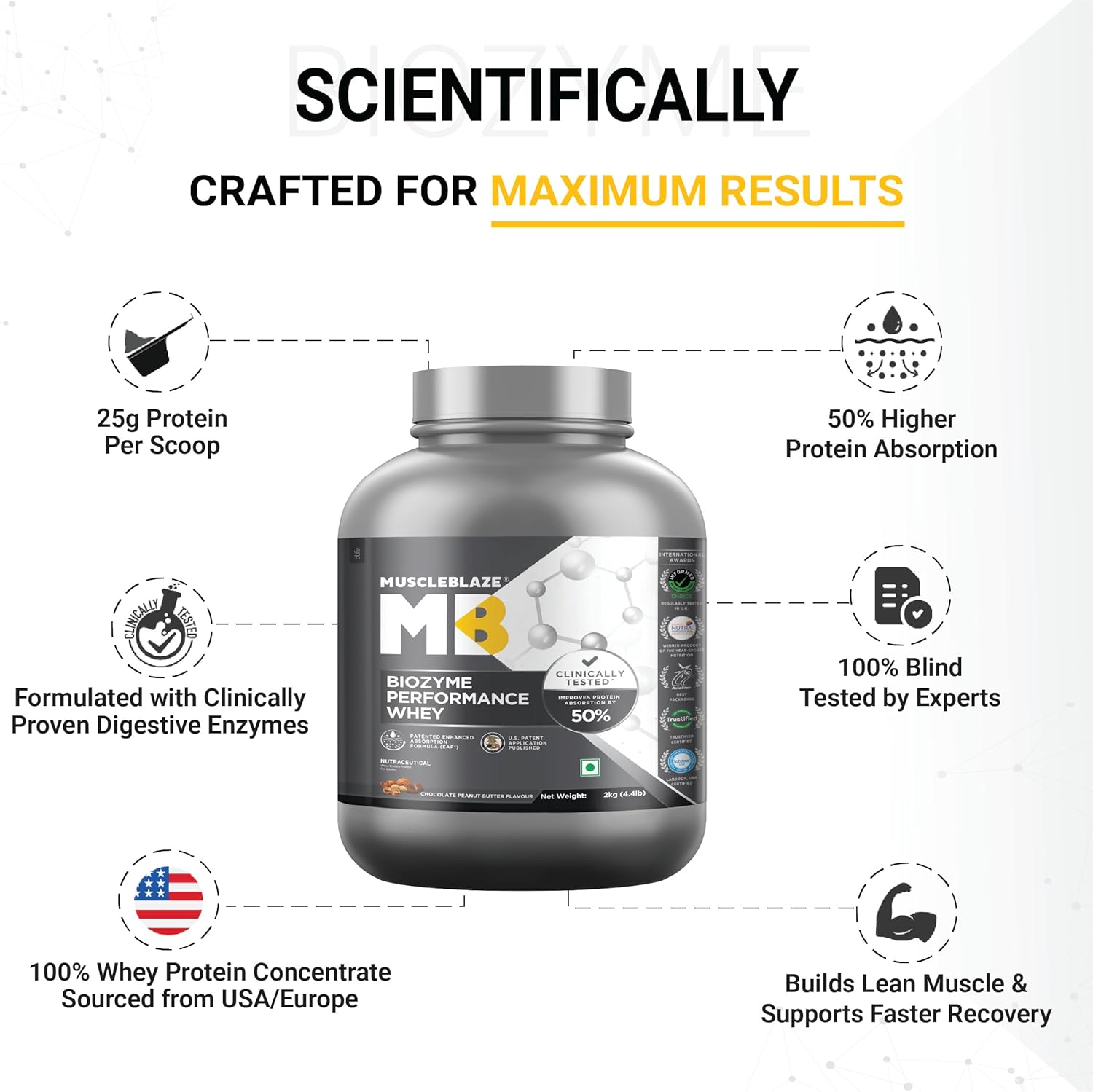
CHECK OUT - BEST MUSCLEBLAZE WHEY PROTEIN
MuscleBlaze Biozyme Performance Whey Protein Powder, Chocolate Peanut Butter (2kg / 4.4lbs) | 25g Protein Per Scoop
Check Price on Amazon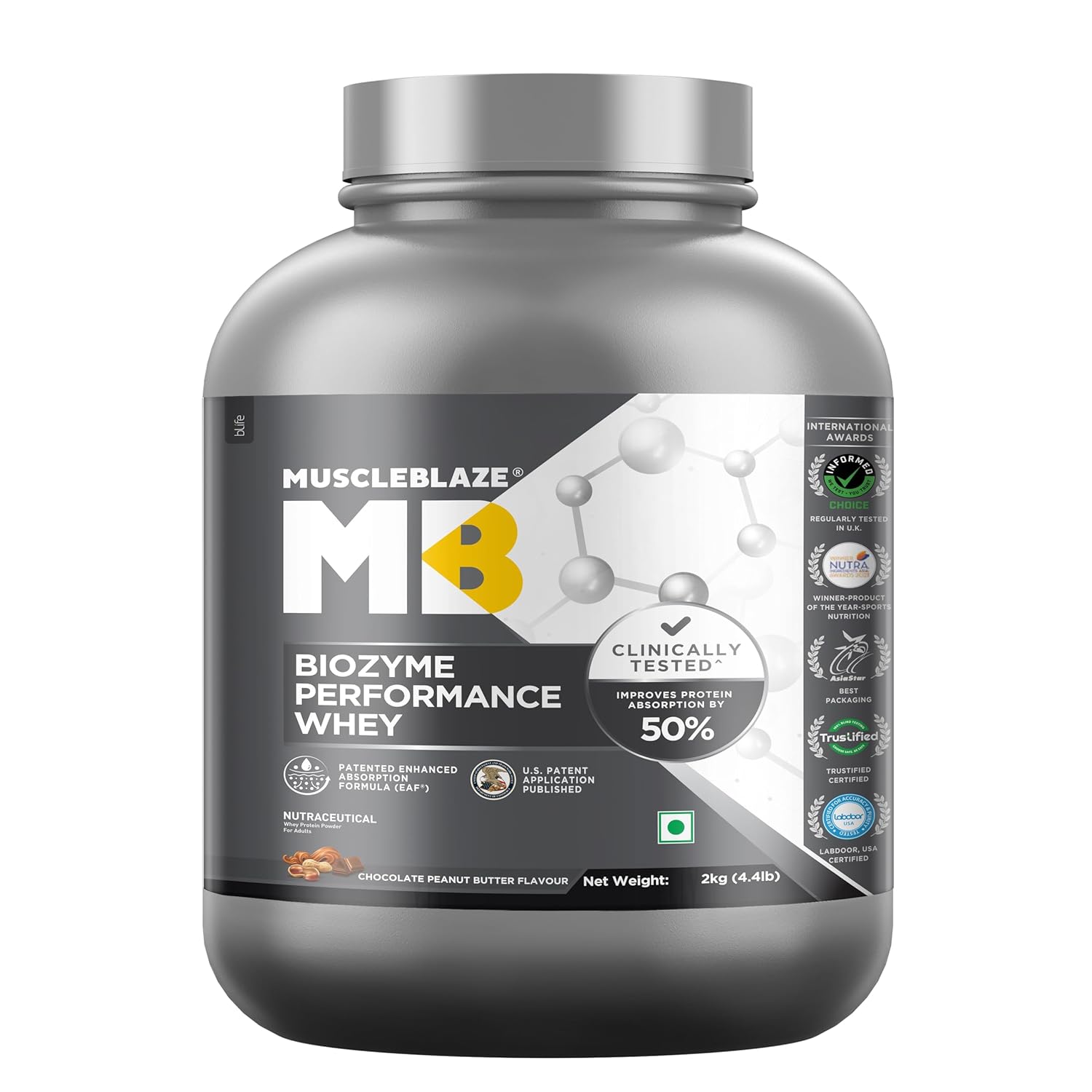

To get stronger at a specific lift, you must perform that lift (or its close variations) frequently. Accessory work should only be used to fix your specific "weak point" in that main lift.
Identifying Weak Points
Stuck at bottom of Squat? Do Pause Squats.
Stuck at lockout of Bench? Do Board Presses or Tricep work.
8. Lack of Sleep and Hormonal Recovery
Sleep is the most powerful "supplement" for strength.
Testosterone and GH Spikes
The majority of your growth hormone and testosterone release occurs during Deep Sleep (REM). If you are only getting 5-6 hours of sleep, you are essentially training with "low-battery" hormones.
9. Psychological Barriers and "Mindset" Plateaus
Sometimes the plateau is in your head.
The Fear of Heavy Weight
If the sight of a 45 lb plate makes you nervous, you will subconsciously "cut" your reps short or lose tightness.
Tip: Heavy Overloads
Try "Unracking" a weight that is 20% heavier than your max and just holding it for 10 seconds. This desensitizes your nervous system to the feel of heavy loads.
Frequently Asked Questions (FAQ)
1. How long does it take to get past a plateau?
With the right adjustments (usually a deload and a caloric increase), you should see movement in the bar within 2 to 3 weeks.
2. Can I get stronger while losing weight?
Yes, but only if you are a beginner or have a high body fat percentage. For advanced lifters, maintaining strength is the goal during a cut; gaining it is very difficult.
3. Should I change my program every month?
No! "Muscle Confusion" is a myth for strength. You should stay on the same program for at least 12 to 16 weeks to allow for meaningful adaptation.
4. Is 5x5 the best way to get strong?
It is a great starting point for beginners, but eventually, the volume becomes too much to recover from. Advanced lifters often move to 3x3 or "Top Sets" followed by "Back-off Sets."
5. Why is my strength inconsistent day to day?
Strength is influenced by hydration, stress, salt intake, and sleep. One "bad" day isn't a plateau; three weeks of "bad" days is a plateau.
Conclusion: Science Over Ego
Strength isn't a mystery; it’s a math problem. you will get stronger.
Don't let your ego force you to lift weights you can't control. Scale back, fix the issues, and come back stronger than ever at
HERE YOU CAN COUNT YOUR DAILY CALORIES AND MACROS (PROTEIN, CARBS, FATS) 100% FREE-OF-COST
IMAKE A CUSTOMIZED DAILY-DIET PLAN ACCORDING TO YOUR PREFERENCE (LIKE - VEGAN or NON-VEGAN, SUPPLIMENTS or WITHOUT-SUPPLIMENTS, GAINING or CUTTING)
HERE YOU CAN KEEP RECORDS YOUR GYM-WORKOUT/CARDIO (LIKE - REPS, SETS, NAME OF EXERCISE, VOLUME,).
Comments
Post a Comment