

10 Diet Mistakes That Are Ruining Your Fitness Progress

You hit the gym five days a week. You lift heavy, you sweat, and you stay consistent. Yet, when you look in the mirror, nothing changes. The scale is stuck, your muscles aren't "popping," and your energy is non-existent.
The problem isn't your training; it’s your kitchen habits. For the community at
1. Chronic Under-Eating and Metabolic Adaptation
Many people believe that "less is more" when it comes to fat loss. This is a scientific fallacy.
The Starvation Response
When you drop your calories too low for too long, your body enters a state of Adaptive Thermogenesis. Your thyroid slows down, your body temperature drops, and you stop burning fat to preserve energy for survival.
Why It Ruins Fitness
Muscle Wasting: Your body will break down muscle tissue for fuel before it touches fat.
Hormonal Crash: Testosterone and leptin levels plummet, leaving you weak and hungry.
The Fix: Strategic Caloric Deficits
Use the CAL-TRACK tool at this site to find a moderate 300–500 calorie deficit. This allows for fat loss without triggering a metabolic shutdown.
CHECK OUT - BEST WELLCORE CREATINE FOR MUSCLE-GAINING
Wellcore Pure Micronised Creatine Powder (33 Servings, Tropical Tango) For Enhanced Muscle Strength
Check Price on Amazon


A FREE CALORIE COUNTER
HERE YOU ALL CAN COUNT YOU CALORIES AND YOUR PROTEIN, CARBS, FATS...
VISIT : CAL-TRACK2. Neglecting the Thermic Effect of Protein
Are you hitting your calorie goals but ignoring your macros? Specifically, are you skimping on protein?
What is the Thermic Effect of Food (TEF)?
Your body burns energy just to digest food. Protein has a TEF of roughly 25–30%, whereas fats and carbs are only 3–15%.
The Cost of Low Protein
Lower Metabolic Rate: By eating less protein, you burn fewer calories at rest.
Poor Recovery: Without amino acids, the "micro-tears" from your lifting session never heal, leading to stalled strength gains.
Expert Guidelines
Aim for 1 gram of protein per pound of body weight to maximize muscle protein synthesis and metabolic efficiency.
3. Overestimating the Calories Burned During Exercise
Your fitness tracker says you burned 800 calories in your HIIT class. It is likely lying.
The Accuracy Gap
Studies show that most wearable devices overestimate calorie burn by 20% to 40%. If you "eat back" these calories, you effectively cancel out your entire deficit.
Why This Sabotages You
False Sense of Security: You justify eating a 600-calorie muffin because your watch said you "earned it."
Weight Gain While Working Out: This is the primary reason people gain weight despite starting a gym routine.
The Strategy
Treat gym calories as a "bonus." Track your food intake based on your TDEE (Total Daily Energy Expenditure) and ignore the "active calories" shown on your watch.
4. The "Liquid Calorie" Trap
You can track your chicken and rice perfectly, but if you ignore what you drink, you will fail.
Hidden Sugars and Fats
Specialty coffees, "healthy" fruit smoothies, and sodas are loaded with empty calories that don't trigger satiety signals in the brain.
Examples of Liquid Sabotage
Morning Latte: Often contains 300+ calories of sugar and fat.
Post-Workout Juice: Can have more sugar than a candy bar.
Alcohol: High in calories and halts fat oxidation for up to 24 hours.
The Simple Solution
Stick to water, black coffee, and green tea. If you need flavor, use calorie-free sweeteners or BCAAs.
5. Ignoring Micronutrients and Gut Microbiome Health
Fitness isn't just about macros; it’s about cellular health.
The Micronutrient Deficit
If you eat only "chicken, broccoli, and rice," you may become deficient in magnesium, zinc, and Vitamin D. These are the sparks that ignite your metabolic furnace.
Gut Health and Nutrient Absorption
A diet lacking in fiber ruins your gut flora. If your gut is inflamed, you cannot efficiently absorb the protein and minerals you are eating.
How to Fix It
Eat the Rainbow: Include at least three different colors of vegetables daily.
Fermented Foods: Add Greek yogurt or sauerkraut to improve digestion and reduce bloating.
6. Mistaking "Healthy" Foods for "Low-Calorie" Foods
Avocados, nuts, and olive oil are incredibly healthy, but they are also caloric landmines.
The Energy Density Problem
A handful of almonds contains roughly 170 calories. It is very easy to eat three handfuls without noticing, adding 500+ calories to your day.
Common "Healthy" Mistakes
Peanut Butter: One "tablespoon" is often actually two, totaling 200 calories.
Salad Dressings: Olive oil is 120 calories per tablespoon. A "healthy salad" can easily reach 1,000 calories.
Proper Tracking
Always use a food scale for fats. Use CAL-TRACK to log these items precisely to avoid "hidden" surpluses.
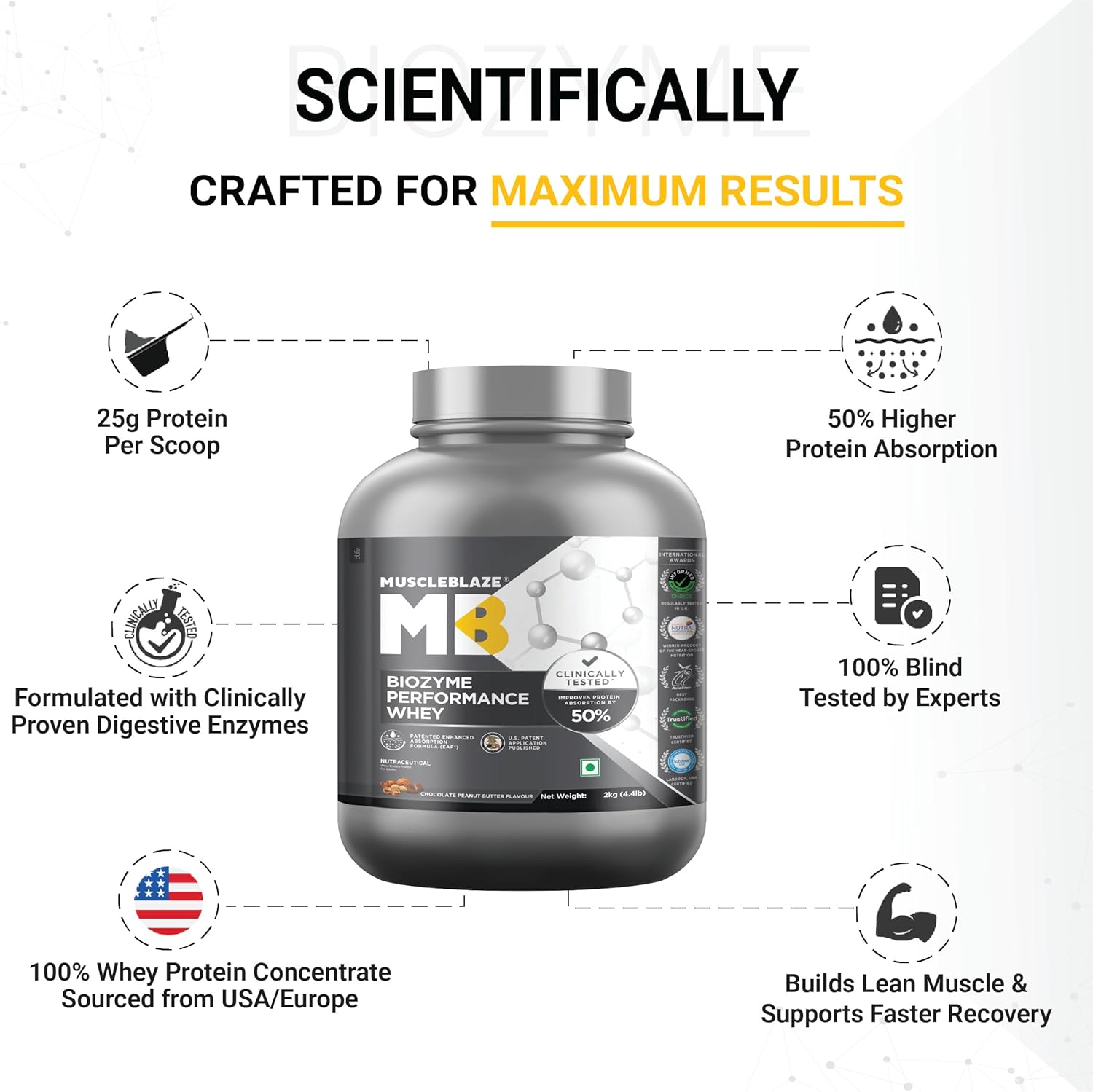
CHECK OUT - BEST MUSCLEBLAZE WHEY PROTEIN
MuscleBlaze Biozyme Performance Whey Protein Powder, Chocolate Peanut Butter (2kg / 4.4lbs) | 25g Protein Per Scoop
Check Price on Amazon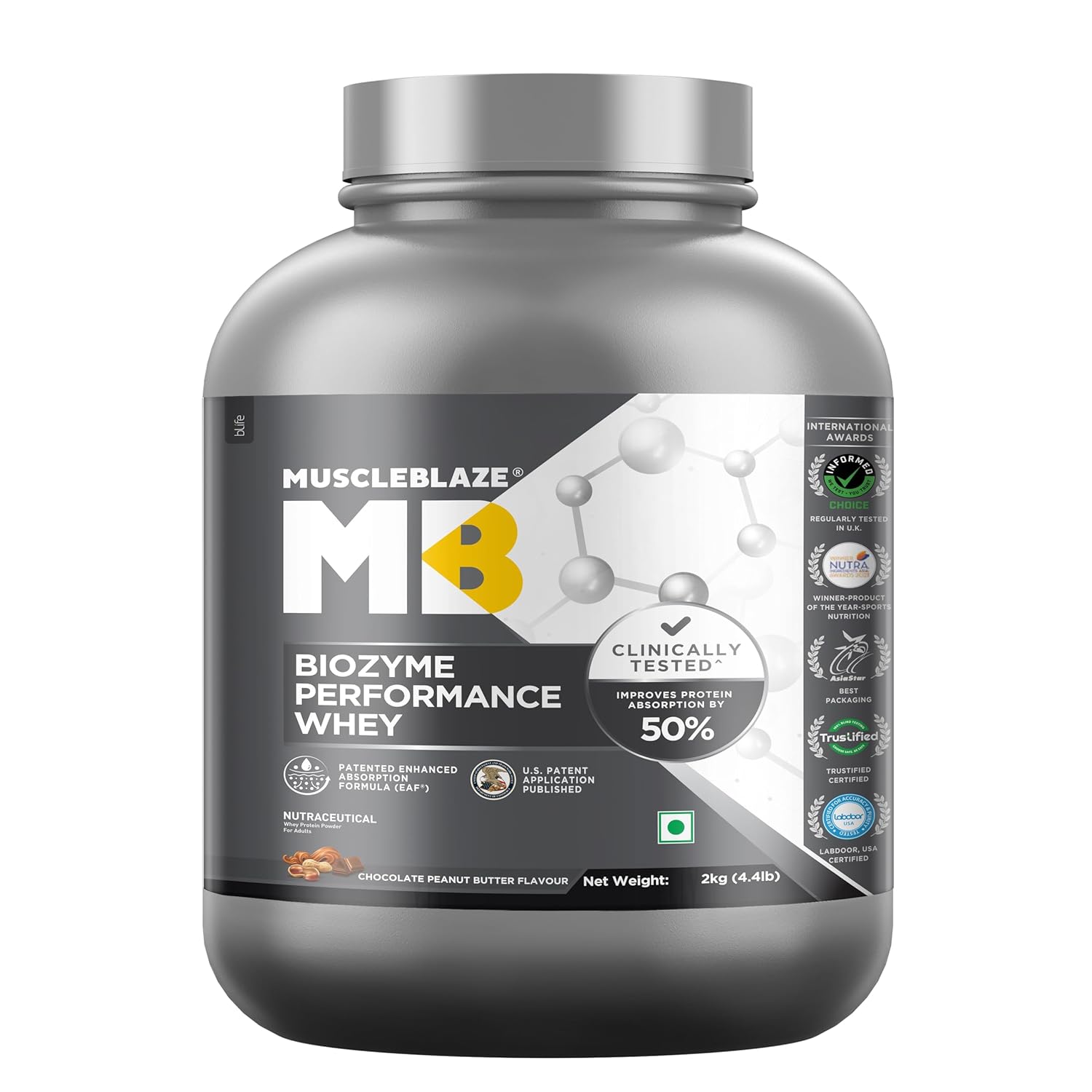

7. Lack of Consistency on Weekends
Do you follow your diet strictly Monday through Friday, only to "cheat" on Saturday and Sunday?
The Weekly Average Math
If you maintain a 500-calorie deficit for 5 days (-2,500 total) but eat a 3,000-calorie surplus over the weekend (+3,000), you are in a net gain for the week.
The Mental Fatigue Cycle
This "all or nothing" approach creates a toxic relationship with food. It leads to binge eating and constant frustration with your progress.
The Fix: Flexible Dieting
Incorporate small treats into your daily macros. This prevents the "hunger dam" from breaking on Friday night.
8. Poor Pre- and Post-Workout Nutrient Timing
While total daily calories matter most, when you eat can dictate the quality of your training.
Pre-Workout Fueling
Training on a completely empty stomach can lead to cortisol spikes and poor strength output. You need glucose (carbs) to fuel high-intensity lifting.
The Post-Workout Window
While the "30-minute window" is exaggerated, you still need protein and carbs within 2 hours of training to stop muscle protein breakdown and begin the building process.
The Ideal Setup
90 Mins Before: Complex carbs (Oats/Fruit).
60 Mins After: Fast-acting protein (Whey) and simple carbs (Rice).
9. Relying Too Heavily on Supplements Over Whole Foods
Supplements are meant to supplement a diet, not replace it.
The "Powder Only" Mistake
Getting 100% of your protein from shakes lacks the thermic effect and micronutrients found in whole meat, eggs, and beans.
Why It Fails
Hunger Levels: Shakes are digested quickly, leaving you hungry 30 minutes later.
Chemical Additives: Many "mass gainers" are filled with cheap maltodextrin that causes insulin spikes and fat storage.
The Rule of Thumb
Aim for 80% of your nutrition from whole, single-ingredient foods. Use shakes only for convenience.
10. Failing to Adjust Calories as You Lose Weight
As you get smaller, your body requires less energy to function.
The Maintenance Plateau
If you started at 200 lbs eating 2,500 calories and you are now 180 lbs, those 2,500 calories might now be your maintenance level. You will stop losing weight.
The Downward Slide
Natural lifters often forget to recalculate their TDEE every 4–5 weeks. This leads to months of "plateauing" where effort is high but results are zero.
Recalculate Often
Head back to
Common Questions and Queries Related to Diet Sabotage
Why am I gaining weight while eating "clean"?
"Clean" food still has calories. If you eat 3,000 calories of sweet potatoes and organic chicken but your body only needs 2,500, you will gain body fat. Weight management is a numbers game, not just a food quality game.
Can high stress levels ruin my diet results?
Yes. High cortisol (the stress hormone) causes your body to hold onto water and makes it easier to store visceral fat around the midsection. It also increases cravings for "high-palatability" (sugary) foods.
Does drinking water help with fat loss?
Indirectly, yes. Drinking water increases satiety and ensures your metabolic processes are running smoothly. Dehydration can often be mistaken for hunger, leading to unnecessary snacking.
Is "Cheat Meal" a bad term for natural lifters?
The term "Cheat" implies you are doing something wrong. It is better to use "Refeed" or "Planned Flexibility." This keeps the mindset positive and helps with long-term adherence.
Frequently Asked Questions (FAQ)
1. How do I know if my metabolism is "broken"?
Metabolism isn't usually "broken," but it can be "suppressed." Signs include feeling cold all the time, extreme lethargy, hair thinning, and no weight loss despite very low calories. If this is you, a "Diet Break" at maintenance calories for 2 weeks is necessary.
2. Should I cut out all carbs to lose fat?
Absolutely not. Carbs are the primary fuel for the brain and muscles. Cutting them completely leads to "brain fog" and terrible gym sessions. Focus on Carb Cycling or simply staying within your daily macro targets.
3. Is fruit sugar (fructose) bad for fat loss?
No. Fruit contains fiber and vitamins that slow the absorption of sugar. Unless you are eating 20 apples a day, the sugar in fruit will not sabotage your fitness.
4. What is the most important meal of the day for a lifter?
The post-workout meal. This is when your body is most "primed" to shuttle nutrients into muscle cells rather than fat cells.
5. Can I lose fat and build muscle at the same time?
Yes, this is called Body Recomposition. It is easiest for beginners or those returning from a break. It requires eating at maintenance calories with a very high protein intake and heavy resistance training.
Conclusion: Take Control of Your Nutrition
Your fitness journey is a puzzle, and nutrition is the largest piece. By avoiding these ten critical mistakes, you ensure that every drop of sweat in the gym results in visible progress.
Stop guessing and start tracking. Use the tools available at This Site to stay on the scientific path to success. Use CAL-TRACK to find your numbers, avoid liquid calories, and keep your protein high.
The results are in the data. Start tracking today.
MORE ARTICLE (MIGHT HELP YOU):
CHECK-OUT: How can you easily Count your Calories And Macros
CHECK-OUT: Top 10 Best Cardio Activities for Fat Loss
CHECK-OUT: Machine Exercise V/S Dumbbell Exercise
CHECK-OUT: 20 Best Low-Calorie Foods for Weight Loss
CHECK-OUT: The Ultimate Guide to the Mind-Muscle Connection
HERE YOU CAN COUNT YOUR DAILY CALORIES AND MACROS (PROTEIN, CARBS, FATS) 100% FREE-OF-COST
IMAKE A CUSTOMIZED DAILY-DIET PLAN ACCORDING TO YOUR PREFERENCE (LIKE - VEGAN or NON-VEGAN, SUPPLIMENTS or WITHOUT-SUPPLIMENTS, GAINING or CUTTING)
HERE YOU CAN KEEP RECORDS YOUR GYM-WORKOUT/CARDIO (LIKE - REPS, SETS, NAME OF EXERCISE, VOLUME,).
Comments
Post a Comment