

🏃🏻♂️Top 10 Best Cardio Activities for Fat Loss: Science-Backed Strategies for 2026✅

When it comes to shedding stubborn body fat, cardio remains the undisputed champion of the fitness world. However, not all cardio is created equal. In the modern era of fitness, we’ve moved beyond the "jog for an hour" mentality. Today, fat loss science emphasizes efficiency, metabolic rate, and the preservation of lean muscle mass.
For the readers at
A FREE CALORIE COUNTER
ON CAL-TRACK YOU ALL CAN COUNT YOU CALORIES AND YOUR PROTEIN, CARBS, FATS...
VISIT : CAL-TRACK1. High-Intensity Interval Training (HIIT)

HIIT is the gold standard for fat loss in 2026. It involves short bursts of all-out effort followed by brief recovery periods.
The Science: HIIT triggers EPOC (Excess Post-exercise Oxygen Consumption), often called the "afterburn effect." This means your metabolism stays elevated for up to 24 hours after you leave the gym.
The Execution: 30 seconds of sprinting followed by 60 seconds of walking. Repeat for 15–20 minutes.
Best For: Busy professionals and natural lifters looking to maintain muscle.
2. Sprinting (Outdoor or Track)

While treadmills are convenient, nothing beats the raw power required for outdoor sprinting.
The Science: Sprinting is essentially a plyometric, explosive movement. It recruits Type II fast-twitch muscle fibers, which are highly metabolic and help "shape" the legs and glutes while torching fat.
The Execution: Find a 50-meter stretch. Sprint at 90% effort, walk back to the start. Repeat 8–10 times.
Best For: Athletes and those wanting "athletic" aesthetics.
3. Swimming (Full Body Resistance)

Swimming is unique because it provides isokinetic resistance—the water pushes back against every move you make.
The Science: Because water is denser than air, swimming burns significantly more calories than walking at a similar heart rate. It is also zero-impact, making it the best choice for those with joint issues.
The Execution: Intervals of freestyle or butterfly strokes. Use a kickboard to isolate the legs for extra caloric burn.
Best For: Injury recovery and total body toning.
4. Stair Climbing (The Glute Sculptor)

Whether it's a StairMaster or a local stadium, climbing stairs is a relentless calorie burner.
The Science: Unlike walking on a flat surface, stair climbing requires you to lift your entire body weight vertically against gravity with every step. This leads to massive activation of the glutes and quads.
The Execution: Maintain a steady pace for 20–30 minutes. Do not hold onto the side rails, as this reduces the workload by up to 20%.
Best For: Lower body fat loss and cardiovascular endurance.
5. Cycling (Indoor and Outdoor)

Cycling allows for high-intensity work with very low recovery costs compared to running.
The Science: Cycling is highly scalable. You can engage in LISS (Low-Intensity Steady State) for fat oxidation or high-resistance climbs for power. It’s excellent for building "quad sweep."
The Execution: For fat loss, try "Tabata" cycles: 20 seconds of maximum pedaling, 10 seconds of rest, repeated for 4 minutes.
Best For: People with knee pain and those who enjoy outdoor scenery.
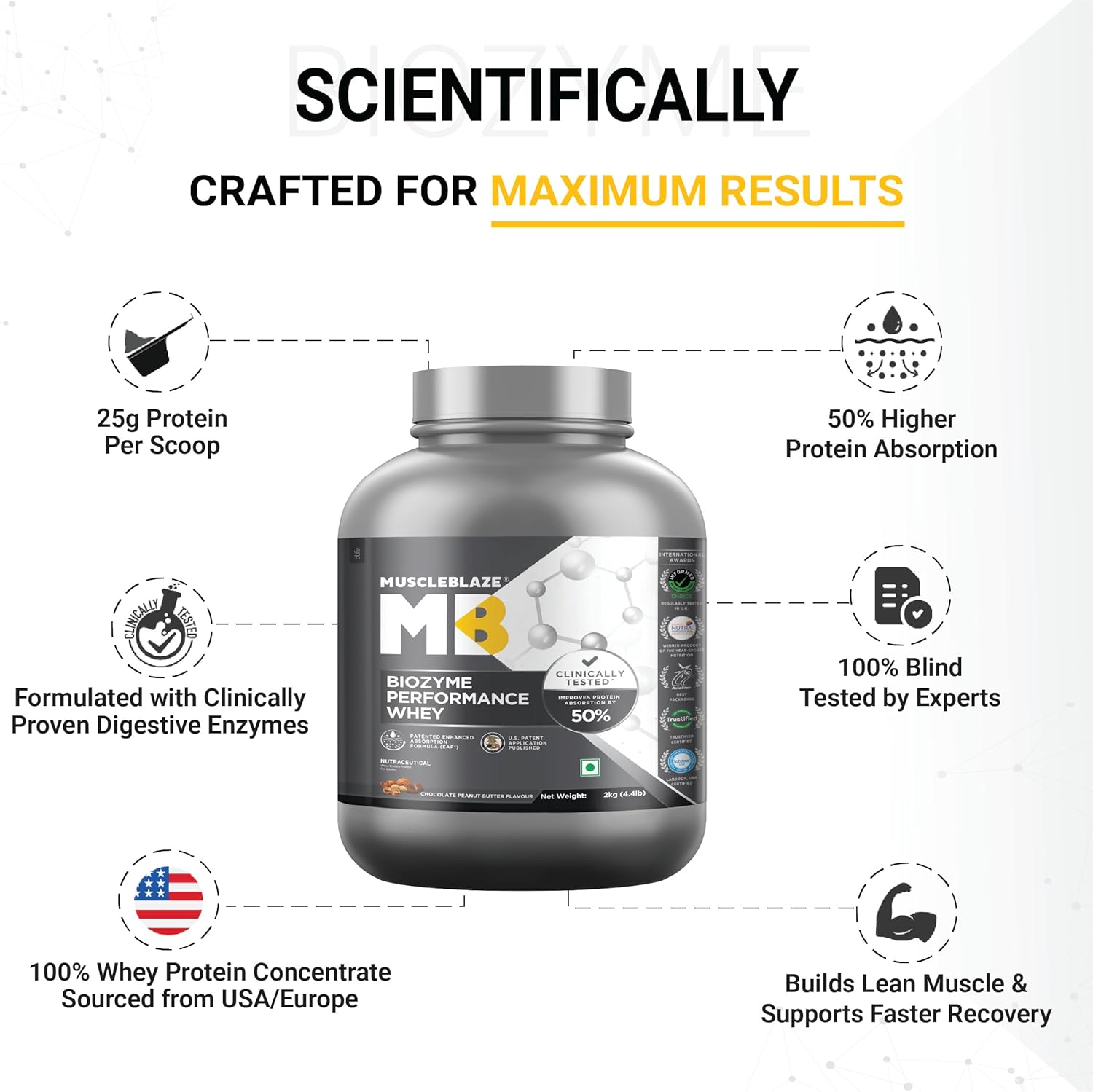
CHECK OUT - BEST MUSCLEBLAZE WHEY PROTEIN
MuscleBlaze Biozyme Performance Whey Protein Powder, Chocolate Peanut Butter (2kg / 4.4lbs) | 25g Protein Per Scoop
Check Price on Amazon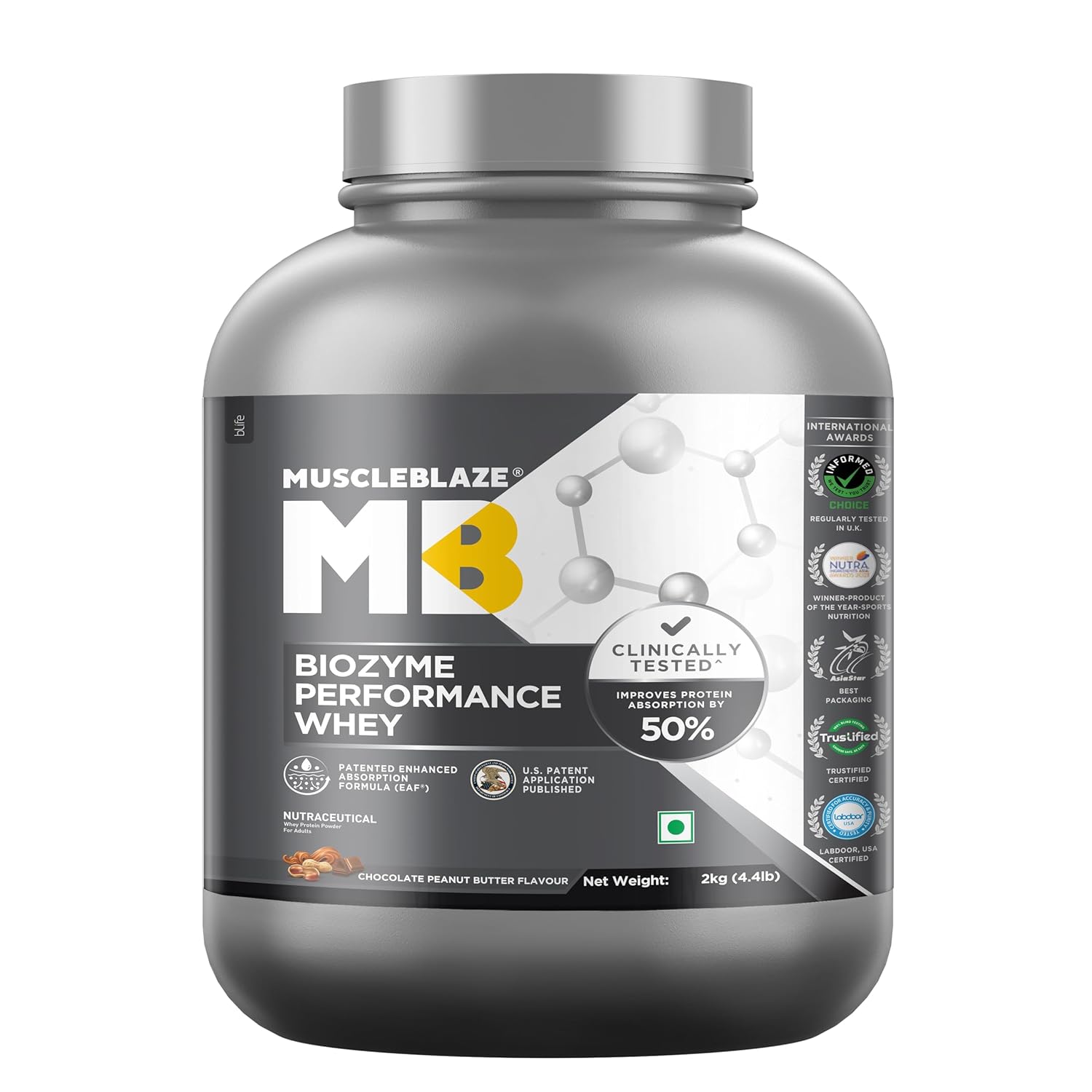

6. Jumping Rope (The Metabolic Spark)

Don't let its simplicity fool you; jumping rope is one of the most demanding cardio activities.
The Science: It requires total body coordination, timing, and constant calf and shoulder engagement. Ten minutes of jumping rope can be equivalent to 30 minutes of jogging.
The Execution: 3 minutes of jumping, 1 minute of rest. Aim for 5 rounds.
Best For: Improving coordination and
7. Rowing (The 80/20 Rule)

Rowing uses roughly 80% of your muscles with every stroke, making it incredibly efficient.
The Science: It targets the legs, core, and back simultaneously. Because it involves a large amount of muscle mass, the caloric expenditure is significantly higher than most "legs-only" cardio.
The Execution: Focus on the "drive" (the push with the legs). Keep your back straight and pull the handle to your lower ribs.
Best For: Back definition and functional strength.
8. Battle Ropes (Upper Body Cardio)

If your legs are sore from squats, battle ropes are your best fat-loss friend.
The Science: This is a rare cardio activity that focuses almost exclusively on the upper body and core. It creates a massive "pump" while driving the heart rate into the anaerobic zone.
The Execution: Alternating waves or double slams for 40 seconds on, 20 seconds off.
Best For: Shoulders, arms, and core shredding.
9. Kettlebell Swings (The Hybrid)

The kettlebell swing is a hybrid between strength training and cardiovascular conditioning.
The Science: It focuses on the posterior chain (hamstrings, glutes, lower back). The explosive nature of the movement keeps the heart rate high while building muscle density.
The Execution: 20 swings every minute on the minute (EMOM) for 10–20 minutes.
Best For: Posterior chain development and "power" cardio.
10. LISS: Brisk Walking (The Recovery King)
Low-Intensity Steady State (LISS) cardio, like brisk walking, is often underrated.
The Science: LISS stays within the "fat-burning zone" (approx. 60–70% of Max Heart Rate) where the body primarily uses stored fat as fuel rather than glycogen. It has zero recovery cost, meaning it won't interfere with your heavy lifting.
The Execution: An incline walk on a treadmill (12% incline, 3.0 mph) for 45 minutes.
Best For: Daily consistency and stress reduction.
Deep Comparison: HIIT vs. LISS for Fat Loss
| Feature | HIIT (High Intensity) | LISS (Low Intensity) |
| Duration | 15–20 Minutes | 45–60 Minutes |
| Calorie Burn | High (Afterburn effect) | Moderate (During exercise) |
| Recovery | 48 Hours | Immediate |
| Muscle Sparing | High | Moderate |
| Joint Stress | High | Very Low |
Frequently Asked Questions (FAQs)
What is the best time to do cardio for fat loss?
While "fasted cardio" is popular, science shows that total daily caloric deficit is what matters most. Do your cardio when you have the most energy to perform with high intensity.
Should I do cardio before or after weights?
For fat loss and muscle preservation, do cardio after weights. Lifting weights requires glycogen (sugar) for energy. If you do cardio first, you’ll be too tired to lift heavy, which can lead to muscle loss.
How many times a week should I do cardio?
Natural lifters should aim for 2–3 sessions of high-intensity cardio and 3–4 sessions of low-intensity walking for optimal fat loss without overtraining.
Can I lose fat with cardio alone?
No. You cannot out-train a bad diet. Cardio is a tool to increase your caloric expenditure, but a high-protein, calorie-controlled diet is the foundation of fat loss.
Conclusion: Crafting Your Fat-Loss Routine
To get the best results at
CHECK OUT - BEST WELLCORE CREATINE FOR MUSCLE-GAINING
Wellcore Pure Micronised Creatine Powder (33 Servings, Tropical Tango) For Enhanced Muscle Strength
Check Price on Amazon


Frequently Asked Questions (FAQ): Maximizing Fat Loss Through Cardio
To help you refine your strategy and get the most out of your sessions at
1. Which cardio activity burns the most calories in the shortest time?
High-Intensity Interval Training (HIIT), specifically sprinting or rowing, is the most time-efficient method. Because HIIT pushes your heart rate to near-maximum levels, it creates a massive "afterburn effect" (EPOC), meaning you continue to burn calories at an accelerated rate for hours after the workout is over.
2. Is fasted cardio actually better for losing fat?
The science is nuanced. While performing cardio on an empty stomach may increase the percentage of fat oxidation (burning fat for fuel) during the session, it does not necessarily lead to greater total fat loss over a 24-hour period compared to fed cardio. What matters most is your total daily caloric deficit. If fasted cardio makes you feel lethargic and perform poorly, you are better off eating a small meal beforehand.
3. Will too much cardio "eat" my muscle mass?
This is a major concern for natural lifters. Excessive high-impact cardio (like long-distance running) can interfere with the signaling pathways for muscle growth. However, low-impact options like walking, swimming, or cycling are much safer. To preserve muscle, keep your high-intensity sessions short (under 25 minutes) and prioritize your heavy weightlifting sessions first.
4. Should I do cardio before or after my weightlifting session?
For optimal fat loss and strength preservation, always do cardio after weights. Lifting weights requires glycogen (stored carbohydrates) for explosive power. If you do cardio first, you deplete those stores and fatigue your central nervous system, leading to a weaker lift. Doing cardio afterward allows you to "finish off" your energy stores and focus purely on fat oxidation.
5. How many days a week should a natural lifter do cardio?
Balance is key. For most people, a combination of 2–3 HIIT sessions and 3–5 LISS (walking) sessions per week is the "sweet spot." This provides enough intensity to spark the metabolism without causing overtraining or joint issues that could sideline your progress.
6. Can I lose belly fat specifically by doing certain types of cardio?
Unfortunately, spot reduction is a myth. You cannot choose where your body burns fat. Cardio helps reduce your total body fat percentage. Eventually, as your overall fat levels drop, your body will begin to mobilize the stubborn fat in the abdominal region. Consistency across the whole body is the only way to reveal your abs.
7. What is the "Fat Burning Zone," and should I stay in it?
The "Fat Burning Zone" refers to a lower-intensity heart rate (around 60–70% of your max) where your body uses a higher percentage of fat for fuel rather than carbs. While this is great for recovery (LISS), high-intensity work burns more total calories. For the best results, use a hybrid of both: LISS for daily movement and HIIT for metabolic spiking.
8. Is the StairMaster better than the Treadmill for fat loss?
If you are walking on a flat treadmill, the StairMaster is superior because it requires more muscle activation (glutes and quads) and vertical work against gravity. However, an incline treadmill walk (walking at a 10–15% grade) is a very close rival and is often easier on the lower back for some lifters.
9. Should I wear a weighted vest during my cardio?
Adding a weighted vest can increase the caloric burn of walking or hiking by increasing the total load your body has to move. However, do not use a weighted vest during high-impact activities like running or jumping, as this significantly increases the risk of stress fractures and joint injury.
10. What is the best cardio for someone with bad knees?
Swimming and Rowing are the best options. Swimming is zero-impact, and rowing is a seated, rhythmic movement that puts very little "pounding" force on the patellar tendon. Cycling is also a great choice, provided the seat height is adjusted correctly to avoid over-extension of the knee.
MORE GUIDES:
CHECK OUT - Machine Exercise V/S Dumbbell Exercise
CHECK-OUT - 20 Best Low-Calorie Foods for Weight Loss
CHECK-OUT - Mind-Muscle Connection: Science-Backed Strategies
CHECK-OUT - Compound V/S Isolation Exercise - AtoZ Scientific comparison
HERE YOU CAN COUNT YOUR DAILY CALORIES AND MACROS (PROTEIN, CARBS, FATS) 100% FREE-OF-COST
IMAKE A CUSTOMIZED DAILY-DIET PLAN ACCORDING TO YOUR PREFERENCE (LIKE - VEGAN or NON-VEGAN, SUPPLIMENTS or WITHOUT-SUPPLIMENTS, GAINING or CUTTING)
HERE YOU CAN KEEP RECORDS YOUR GYM-WORKOUT/CARDIO (LIKE - REPS, SETS, NAME OF EXERCISE, VOLUME,).
Comments
Post a Comment