

The Ultimate Guide to the Mind-Muscle Connection: Science-Backed Strategies for Hypertrophy

Have you ever spent an hour in the gym, moved thousands of pounds, and left feeling... nothing? You’re tired, your joints ache, but the actual muscle you were trying to target feels like it barely woke up. If this sounds familiar, you aren't lacking effort; you’re lacking the Mind-Muscle Connection (MMC).
In the world of elite bodybuilding and sports science, the Mind-Muscle Connection is no longer dismissed as "bro-science." It is a legitimate physiological phenomenon known as attentional focus. Mastering this connection is the difference between simply moving weight and actually building a masterpiece physique.
In this 2,000+ word deep-dive, we will explore the neurological pathways of the MMC, the latest scientific research on attentional focus, and practical strategies to transform your training from mindless lifting to intentional muscle sculpting.
1. Defining the Mind-Muscle Connection (MMC)
At its simplest, the Mind-Muscle Connection is the ability to consciously and deliberately contract a specific muscle or group of muscles during exercise. It is the internal awareness of tension.
The Neurological Pathway
Every time you lift a dumbbell, a signal is sent from your brain’s motor cortex. This signal travels down the spinal cord and through the peripheral nervous system until it reaches the neuromuscular junction. Here, a neurotransmitter called acetylcholine is released, telling the muscle fibers to contract.
The MMC is essentially the "tuning" of this signal. By focusing internally, you increase the motor unit recruitment—meaning you force more muscle fibers to join the fight for every single rep.
CHECK OUT - BEST WELLCORE CREATINE FOR MUSCLE-GAINING
Wellcore Pure Micronised Creatine Powder (33 Servings, Tropical Tango) For Enhanced Muscle Strength
Check Price on Amazon


2. Science Explained: Internal vs. External Focus
To understand the MMC, we must look at the seminal research by Dr. Brad Schoenfeld and other leading exercise scientists. They categorize focus into two types:
Internal Focus (The Mind-Muscle Connection)
An internal focus is when you concentrate on the bodily movements and the muscle being worked. For example, during a bicep curl, you focus on the "squeeze" of the bicep at the top of the movement.
Best for: Hypertrophy (Muscle Growth) and Aesthetic Sculpting.
External Focus
An external focus is when you concentrate on the outcome of the lift or the environment. For example, instead of thinking about your chest, you think about "pushing the bar away from you."
Best for: Maximum Strength, Powerlifting, and Explosive Athletics.
The Science Verdict: A 2018 study published in the European Journal of Sport Science showed that subjects who focused on their biceps during curls experienced double the muscle growth over an 8-week period compared to those who just focused on "getting the weight up."
3. Why the MMC is the "Secret Sauce" for Natural Lifters
For natural lifters, every set must be optimized. You don't have the luxury of chemical assistance to force protein synthesis. You need to ensure that the target muscle is reaching true mechanical tension.
Quality Over Quantity
Without a strong MMC, your body will naturally find the "path of least resistance." If your chest is weak during a bench press, your front deltoids and triceps will take over. You might move the weight, but your chest remains under-stimulated. The MMC ensures the "right" muscle is doing the heavy lifting, preventing "junk volume."
4. How to Develop the MMC: 5 Scientific Strategies
Developing the MMC is like learning a musical instrument; it requires practice and neurological adaptation.
I. The "Touch-Training" Technique
The brain responds to tactile feedback. If you are doing a one-armed chest fly, place your non-working hand on your working pectoral muscle. Feeling the muscle tighten and relax provides a physical "map" for your brain to follow.
II. Pre-Exhaustion and Isolation
It is difficult to "feel" your lats during a heavy deadlift. To fix this, perform an isolation move like a Straight-Arm Lat Pulldown first. Once the muscle is pumped with blood (metabolic stress), your brain can locate it much easier during the heavy compound lifts that follow.
III. The Power of the "Slow Eccentric"
Gravity is the enemy of the MMC. Most people drop the weight too fast. By slowing down the eccentric (lowering) phase to 3 or 4 seconds, you force the muscle to remain under tension, strengthening the neural feedback loop.
IV. Flexing Between Sets
Bodybuilders don't just pose for ego; they pose for connection. Spending 30 seconds between sets hard-contracting (squeezing) the target muscle improves your ability to recruit those fibers in the next set.
V. Visualizing the Muscle Fiber
Close your eyes during a warm-up set. Visualize the muscle fibers shortening like an accordion as you lift and stretching as you lower. This mental imagery has been shown in sports psychology to increase motor unit firing rates.
5. Examples: Applying MMC to the "Hard-to-Feel" Muscles
Some muscles are notoriously difficult to connect with. Here is how to fix them:
The Back (Latissimus Dorsi)
The Problem: Most people pull with their biceps, leaving their back flat.
The MMC Fix: Imagine your hands are just "hooks." Initiate every pull by driving your elbows toward your hips, not by pulling the bar to your chest.
The Glutes
The Problem: The lower back or quads take over during squats or lunges.
The MMC Fix: Before your first set, perform "Glute Bridges" and squeeze your glutes at the top as hard as possible for 5 seconds. This "wakes up" the nerves in the posterior chain.
The Chest (Pectorals)
The Problem: Front delts take over.
The MMC Fix: During a press, imagine you are trying to "bend the bar" or bring your biceps toward each other rather than just pushing the weight up.
6. Comparison: MMC vs. Heavy Loading
There is a common debate: Should you lift heavy or focus on the squeeze?
| Feature | Heavy Loading (External Focus) | MMC Training (Internal Focus) |
| Primary Goal | Power and Total Strength | Hypertrophy and Symmetry |
| Weight Used | 85-100% of 1RM | 60-75% of 1RM |
| Risk of Injury | Higher (Joint stress) | Lower (Muscle stress) |
| Rep Ranges | 1 - 5 Reps | 8 - 15 Reps |
| Body Composition | Dense, Thick Muscle | Defined, "Popping" Muscle |
Full Depth Insight: You shouldn't choose one. The best routines use heavy compound lifts (External Focus) at the start of the workout to build strength, followed by accessory work (Internal Focus/MMC) to sculpt the muscle.
7. The Role of Mind-Muscle Connection in Injury Prevention
A forgotten benefit of the MMC is joint longevity. When you have a poor connection, the force of a lift often shifts from the muscle belly to the tendons and ligaments. This is why many lifters have "strong" benches but "chronic" shoulder pain. By mastering the MMC, you ensure the muscle absorbs the force, protecting the delicate structures of your joints.
8. Common MMC Killers
Too Much Weight: If the weight is too heavy, your body enters "survival mode." It doesn't care about a "squeeze"; it only cares about not being crushed. If you can't feel the muscle, drop the weight by 20%.
Ego Lifting: Caring more about the plates on the bar than the tension in the muscle.
Distractions: Scrolling through your phone or talking between sets breaks the neural focus. The MMC requires a meditative state.
Poor Nutrition: Low electrolytes (sodium/potassium) can lead to poor nerve signaling and cramping, making a "pump" nearly impossible to achieve.
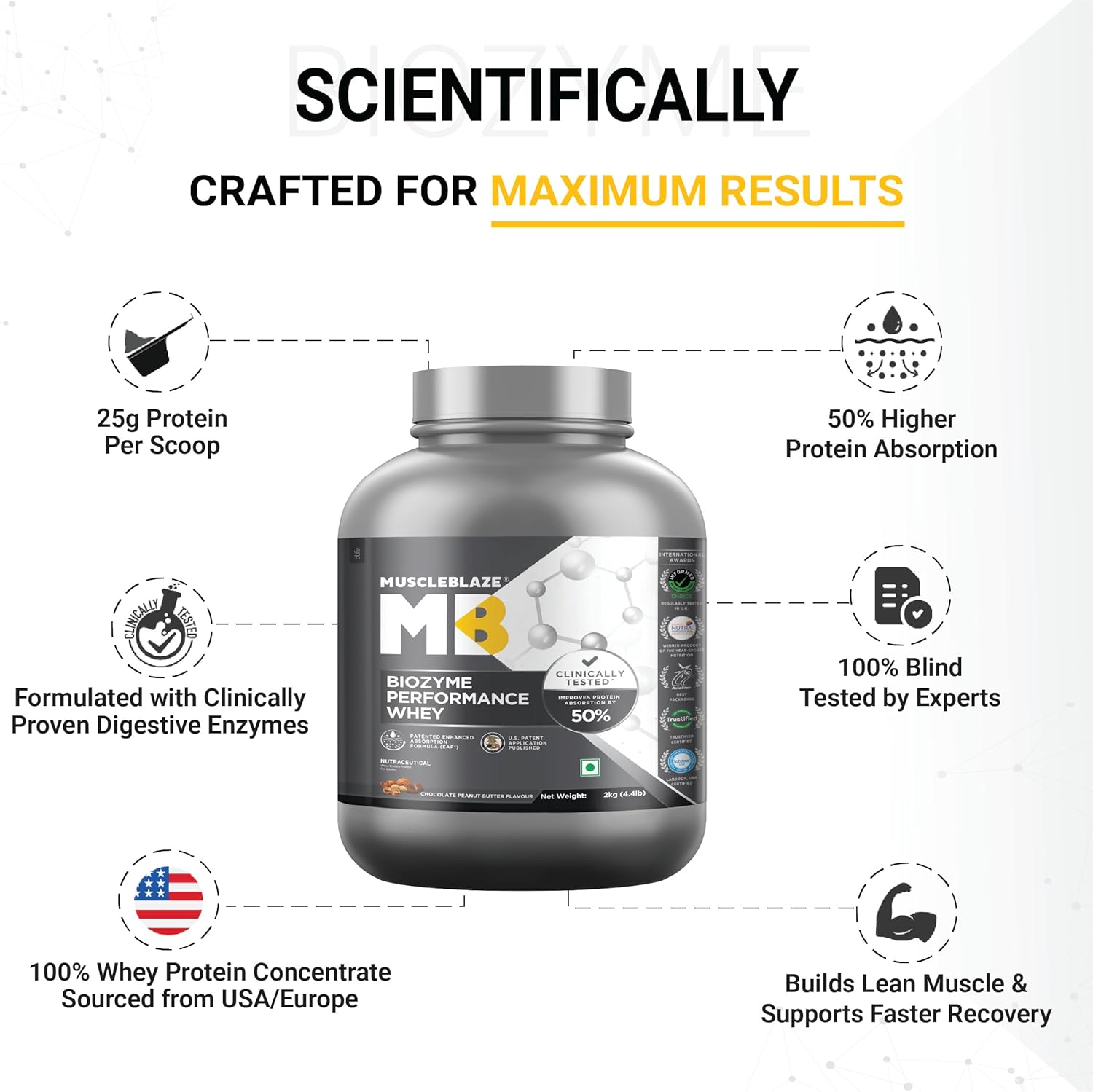
CHECK OUT - BEST MUSCLEBLAZE WHEY PROTEIN
MuscleBlaze Biozyme Performance Whey Protein Powder, Chocolate Peanut Butter (2kg / 4.4lbs) | 25g Protein Per Scoop
Check Price on Amazon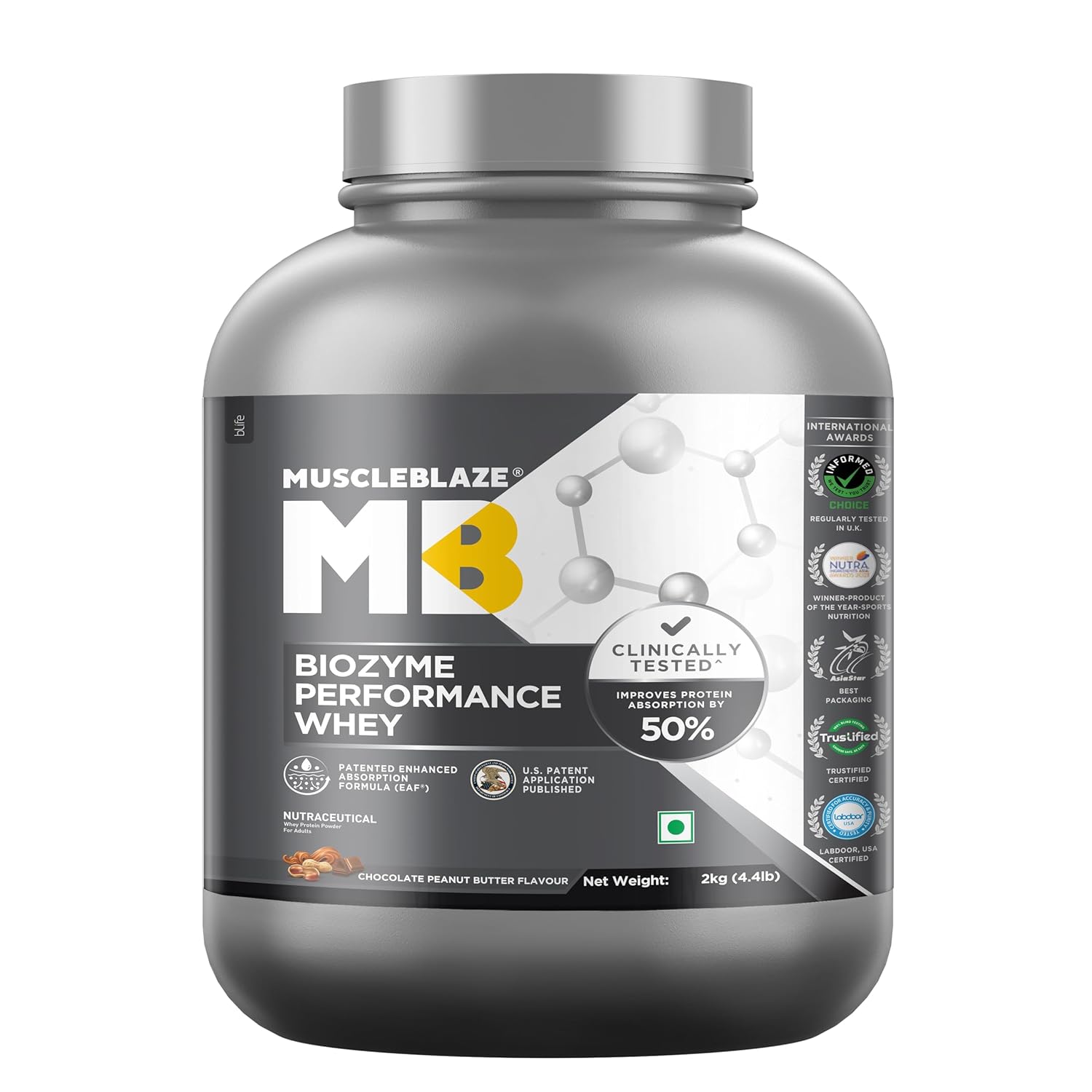

9. Advanced MMC: The "Peak Contraction" Principle
For advanced lifters, the Mind-Muscle Connection culminates in the Peak Contraction Principle. This involves choosing exercises where the resistance is highest at the point of maximum muscle shortening.
Example: In a dumbbell fly, there is no tension at the top. But in a Cable Fly, the tension is constant. Using cables allows you to sustain the Mind-Muscle Connection through the entire range of motion, especially the "squeeze."
10. Conclusion: The Brain is Your Strongest Muscle
In the pursuit of a world-class physique, your brain is the commander-in-chief. You can have the best program, the best supplements, and the best gym, but if your mind is disconnected from your movement, you are leaving 50% of your gains on the table.
The Mind-Muscle Connection isn't just about feeling a "pump." It’s about neurological efficiency, targeted hypertrophy, and long-term joint health. Next time you step into the gym, stop "lifting" and start "contracting." Your muscles will thank you.
Frequently Asked Questions (FAQ): Mastering the Mind-Muscle Connection
To provide even more clarity on the Mind-Muscle Connection (MMC), we’ve compiled the most common questions from the lifting community. Understanding these nuances will help you bridge the gap between "moving weight" and "building muscle."
1. Is the Mind-Muscle Connection actually supported by scientific research?
Yes. Multiple studies, most notably by Dr. Brad Schoenfeld and the American Council on Exercise (ACE), have demonstrated that "attentional focus" significantly impacts muscle activation. Electromyography (EMG) tests show that when a lifter focuses internally on a specific muscle, the electrical activity in those fibers increases by up to 20–25%, which is a massive boost for hypertrophy.
2. Can you have a strong MMC during very heavy sets (1–3 reps)?
It is much harder. When you are lifting 90% or more of your one-rep max (1RM), your body’s primary goal is survival and mechanical efficiency. Your Central Nervous System (CNS) automatically recruits every possible muscle to move the load. At this intensity, an external focus (simply moving the bar as fast as possible) is actually safer and more effective for strength. Save the MMC for your 8–15 rep sets.
3. Why can’t I feel a "pump" or connection in my back muscles?
The back is the most common "dead zone" for lifters because you cannot see the muscles working in the mirror. This is known as the "out of sight, out of mind" effect. To fix this, use the "hook" method: imagine your hands are hooks and pull with your elbows. Additionally, performing high-rep "face pulls" or "lat pullovers" before your heavy rows can help pre-activate those nerves.
4. Does using machines ruin the Mind-Muscle Connection?
On the contrary, machines can actually enhance it. Because machines stabilize the weight for you, your brain doesn't have to worry about balance or "wobbling." This allows you to dedicate 100% of your mental energy to the squeeze. Machines like the Pec Deck or Seated Row are excellent tools for developing a deeper neurological link to your muscles.
5. Can I use the MMC for fat loss?
While the MMC is primarily for muscle building, it indirectly aids fat loss. By increasing the number of motor units recruited during a set, you increase the metabolic demand of the exercise. More muscle fibers working means more energy (calories) consumed. Furthermore, better muscle quality leads to a higher Basal Metabolic Rate (BMR) over time.
6. Will I lose strength if I lower the weight to focus on the "squeeze"?
Temporarily, your "ego" weight might drop. However, you are building functional hypertrophy. By learning to use the target muscle properly, you are fixing the weak links in your kinetic chain. In the long run, this leads to a higher "strength ceiling" because you are no longer relying on momentum or "cheating" to move the weight.
7. How long does it take to develop a strong Mind-Muscle Connection?
It varies, but you should notice a difference in 4 to 6 weeks of intentional practice. The MMC is a skill of the nervous system, similar to learning how to play a piano or type without looking at the keys. The more frequently you train a muscle with high intention, the thicker the "myelin sheath" around those nerves becomes, making the connection faster and stronger.
8. Should I close my eyes while lifting to feel the muscle better?
Only on stable, seated, or lying exercises. Closing your eyes removes visual distractions and heightens your internal "proprioception" (the sense of where your body is in space). This is highly effective for Bicep Curls, Leg Extensions, or Chest Flys. Never close your eyes during Squats, Deadlifts, or any standing movement where balance is a safety factor.
CHECK OUT - BEST PEANUT BUTTER 100% PEANUTS ONLY
Pintola All Natural Peanut Butter Crunchy 1kg | Smooth, Unsweetened | 30g Protein | Gluten & Cholesterol Free, Vegan Peanut Butter, Nut Butter, High in Protein Spread, 100% Pure Roasted peanuts butter
Check Price on Amazon


9. What supplements help with the Mind-Muscle Connection?
Supplements that increase Acetylcholine levels (the neurotransmitter responsible for muscle contraction) are the most effective. Look for:
Alpha-GPC: Improves power output and focus.
L-Tyrosine: Enhances mental clarity under stress.
Huperzine-A: Prevents the breakdown of acetylcholine.
Caffeine: Increases general alertness and neural drive.
10. Can I have "too much" Mind-Muscle Connection?
Only if it prevents you from progressing. If you are so focused on the "feel" that you never increase the weight on the bar, your growth will eventually stall. Progressive Overload is still the king of growth. Use the MMC to ensure the right muscle is handling the heavier weight each month.
HERE YOU CAN COUNT YOUR DAILY CALORIES AND MACROS (PROTEIN, CARBS, FATS) 100% FREE-OF-COST
IMAKE A CUSTOMIZED DAILY-DIET PLAN ACCORDING TO YOUR PREFERENCE (LIKE - VEGAN or NON-VEGAN, SUPPLIMENTS or WITHOUT-SUPPLIMENTS, GAINING or CUTTING)
HERE YOU CAN KEEP RECORDS YOUR GYM-WORKOUT/CARDIO (LIKE - REPS, SETS, NAME OF EXERCISE, VOLUME,).
Comments
Post a Comment