

Lean Bulking Without Gaining Fat - The Ultimate Guide

Building lean muscle mass without gaining unnecessary body fat is the ultimate goal for fitness enthusiasts, bodybuilders, and athletes alike. The traditional approach to bulking often involved eating everything in sight, which inevitably led to significant fat gain and a grueling cutting cycle afterward. Fortunately, a systematic, data-driven strategy known as lean bulking allows you to maximize muscle hypertrophy while keeping your body fat percentage in check. This comprehensive guide will break down the exact nutritional science, training principles, and tracking methods required to achieve a clean physique transformation.
What is a Lean Bulk?
A lean bulk, also referred to as a clean bulk, is a controlled period of muscle building where you consume a slight caloric surplus. Unlike a dirty bulk, where calories are unrestricted and food quality is ignored, a lean bulk prioritizes a precise caloric margin and nutrient-dense whole foods. The objective is to provide your body with just enough energy to facilitate muscle protein synthesis without overwhelming your metabolic capacity, which triggers excess fat storage. This method requires consistency, accurate measurement, and patience, but it eliminates the need for aggressive, muscle-wasting fat loss phases later on.
CHECK OUT - BEST WELLCORE CREATINE FOR MUSCLE-GAINING
Wellcore Pure Micronised Creatine Powder (33 Servings, Tropical Tango) For Enhanced Muscle Strength
Check Price on Amazon


The Physiological Limits of Muscle Growth
Many lifters fall into the trap of overeating because they assume that more food directly correlates to faster muscle growth. In reality, the human body has a hard physiological limit on how much muscle tissue it can build over a given period. For natural lifters, the maximum rate of muscle gain varies based on training experience. Beginners might gain 1 to 1.5% of their body weight per month as muscle, intermediates can expect 0.5 to 1%, and advanced trainees typically gain less than 0.25% per month. Any weight gain beyond these physiological thresholds is almost entirely stored as adipose tissue.
Calculating Your Lean Bulking Calories
To initiate a successful lean bulk, you must first establish your Total Daily Energy Expenditure (TDEE), which represents your maintenance calories. Eating exactly at maintenance allows you to maintain your current body weight. To build muscle efficiently without storing fat, you must introduce a small, controlled caloric surplus. For most individuals, a surplus of 200 to 300 calories over maintenance is the optimal sweet spot to drive muscle growth while keeping fat accumulation at absolute zero.
Step-by-Step Caloric Setup
To determine your specific targets, track your daily baseline food intake and weight stability for a week. Once you know your maintenance number, add 250 calories to that total. For instance, if your maintenance requirement is 2,500 calories, your lean bulking target will be exactly 2,750 calories. Precision is critical during this process; guessing your portion sizes can easily turn a controlled 200-calorie surplus into an accidental 700-calorie dirty bulk. To manage this perfectly, you can utilize digital tracking applications like CAL-TRACK on this site, which allows you to monitor your daily calories, add custom food items, and log your exact macronutrient metrics seamlessly.
Optimizing Your Macronutrient Splits
Hitting your total calorie goal is only half the battle; the distribution of those calories across protein, carbohydrates, and fats determines whether that surplus builds functional muscle tissue or soft body fat. Each macronutrient plays a distinct, non-negotiable role in recovery, hormonal optimization, and energy production during high-intensity training sessions.
Protein Requirements for Muscle Synthesis
Protein is the fundamental building block of muscle tissue. During a lean bulk, you need sufficient amino acids to repair the muscle fibers damaged during your workouts. The optimal scientific range for protein intake is 1.6 to 2.2 grams of protein per kilogram of body weight (or roughly 0.8 to 1 gram per pound). High-quality protein sources include chicken breast, lean beef, eggs, fish, paneer, soya chunks, and whey isolate. Distributing this protein evenly across 4 to 5 meals throughout the day ensures that muscle protein synthesis remains consistently elevated.
Carbohydrates as the Primary Fuel Source
Carbohydrates are your body's preferred and most efficient energy source, especially during heavy strength training. When you consume carbohydrates, they are stored in your muscles as glycogen. High muscle glycogen levels maximize strength, enhance workout performance, and create an anabolic cellular environment that signals your body to grow. Allocate approximately 45 to 55% of your total daily calories to complex carbohydrates such as oats, brown rice, sweet potatoes, whole wheat pasta, and quinoa.
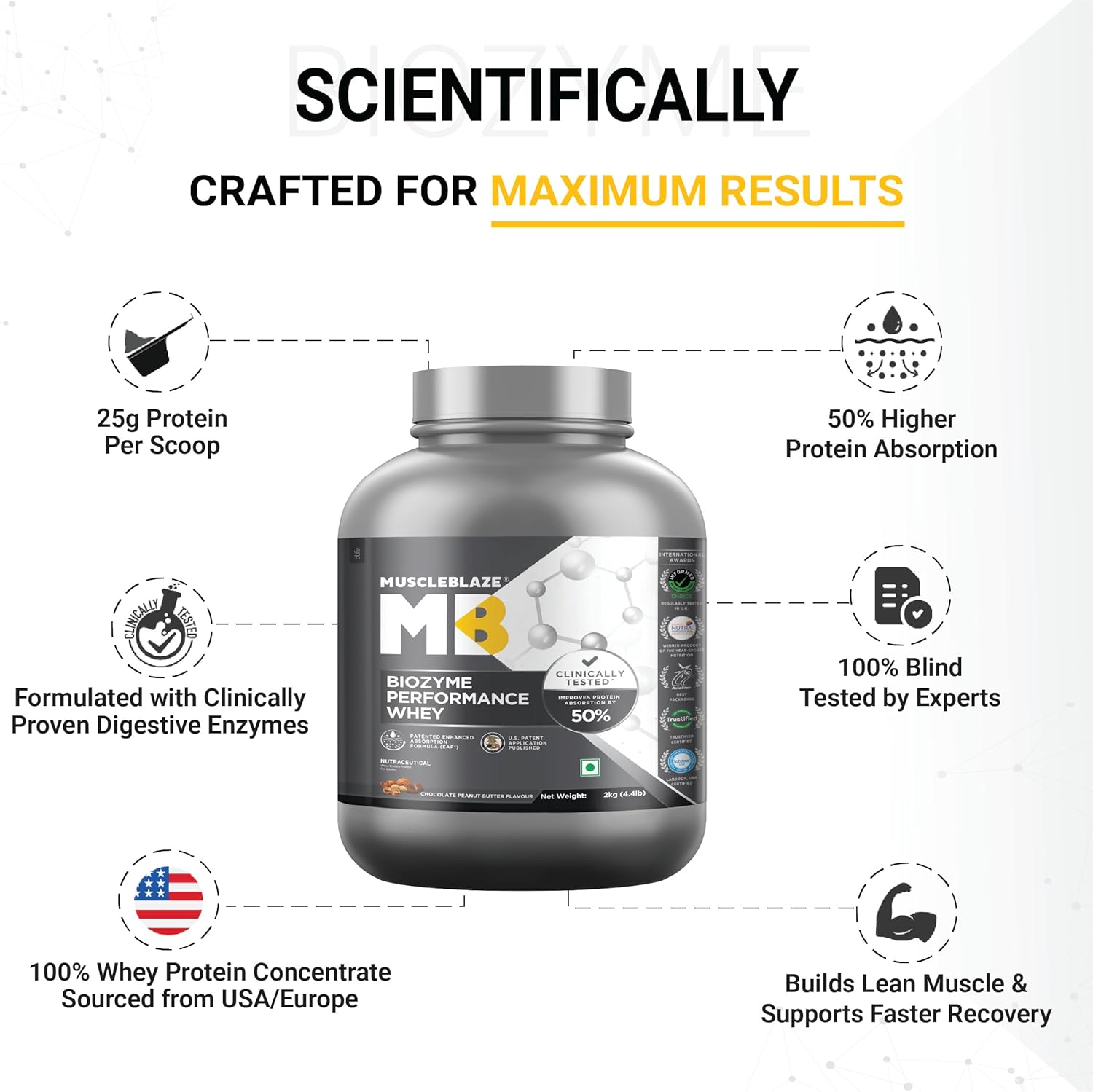
CHECK OUT - BEST MUSCLEBLAZE WHEY PROTEIN
MuscleBlaze Biozyme Performance Whey Protein Powder, Chocolate Peanut Butter (2kg / 4.4lbs) | 25g Protein Per Scoop
Check Price on Amazon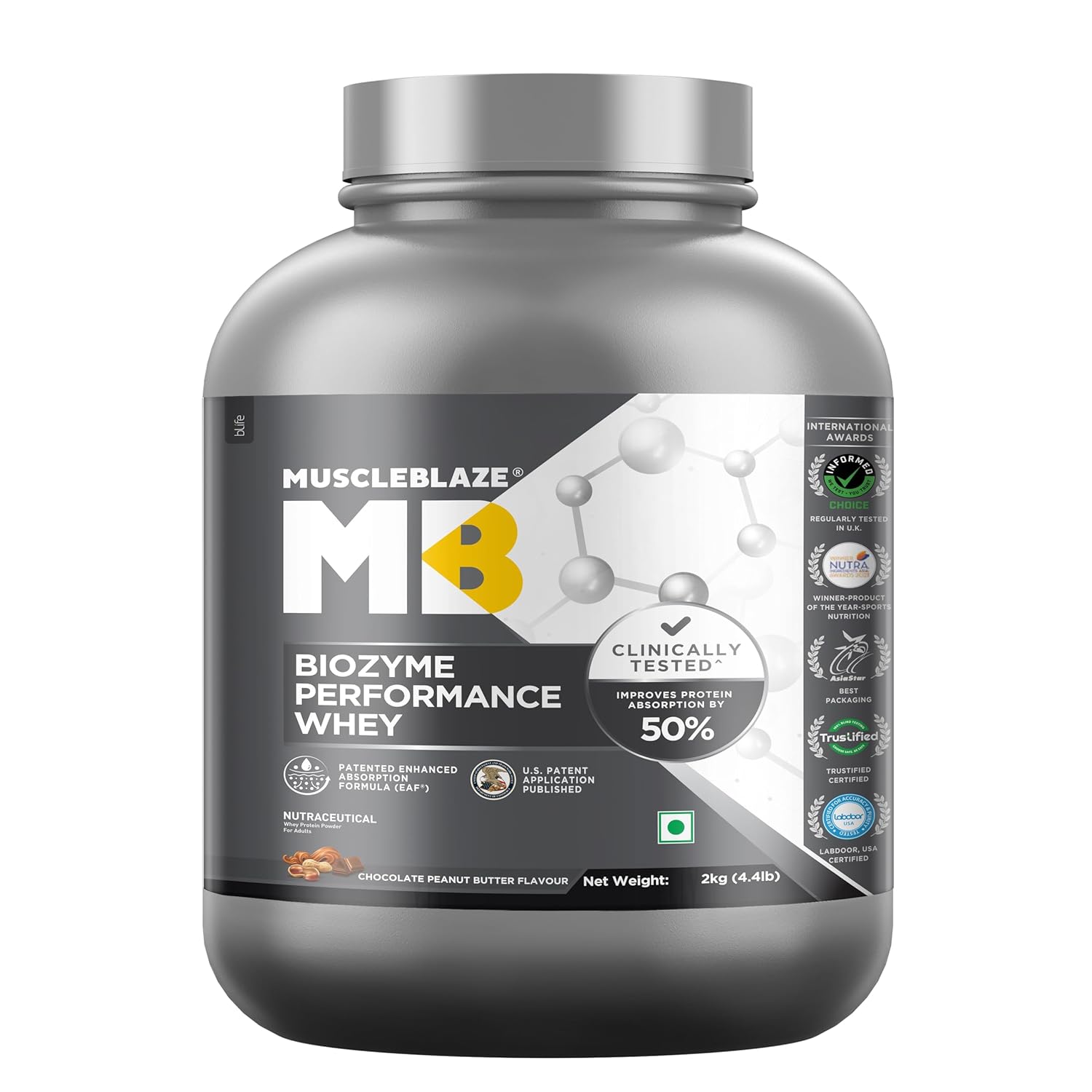

Dietary Fats for Hormonal Balance
Dietary fats are vital for regulating essential muscle-building hormones, including testosterone. Dropping your fat intake too low can impair recovery, disrupt hormone production, and negatively impact strength levels. However, because fats are highly calorie-dense (9 calories per gram compared to 4 calories per gram for protein and carbs), they must be carefully moderated during a lean bulk to prevent overeating. Aim to get 20 to 25% of your daily calories from healthy fat sources like almonds, walnuts, avocados, whole eggs, and olive oil.
Simplifying Your Nutrition Plan
Structuring these numbers into an everyday meal plan can feel overwhelming if you are trying to calculate everything manually. To eliminate the guesswork, you can use the CUSTOM DIET-PLAN-MAKER in this site to instantly generate a comprehensive, personalized diet plan tailored directly to your exact caloric targets, vegan or non-vegan food preferences, and macro requirements.
Training Strategy: Driving Progressive Overload
A caloric surplus is merely potential energy; without a powerful physical stimulus, your body has absolutely no reason to use those extra calories to construct new muscle tissue. To ensure your lean bulk is successful, you must force your muscles to adapt by subjecting them to systemic progressive overload during your weight training sessions.
The Mechanisms of Progressive Overload
Progressive overload means making your workouts systematically harder over time. If you lift the same weights for the exact same repetitions week after week, your body remains in its comfort zone and muscle growth stalls completely. You can force adaptation by increasing the weight on the bar, executing more repetitions with a given weight, increasing total sets, or improving your lifting technique and execution speed. Prioritize heavy compound movements like squats, deadlifts, overhead presses, bench presses, and pull-ups to recruit the maximum amount of muscle tissue.
Tracking Variables Logically
To ensure that you are genuinely progressing in the gym every single week, you cannot rely on memory alone. Keeping a detailed history of your training parameters allows you to verify that you are beating your previous performance thresholds. Utilizing a tool like the WORKOUT-LOG on this site helps you stay organized by recording your exercises, sets, repetitions, cardio, and active workout volume so that you never hit a progress plateau.
Managing Rest, Recovery, and Cardio
Muscle growth does not actually happen while you are lifting weights in the gym; training merely tears down the muscle fibers. The actual growth, repair, and hyper-adaptation occur when you are resting and sleeping. Neglecting your recovery will impair performance, elevate stress hormones like cortisol, and increase the likelihood that your caloric surplus is diverted into fat cells rather than muscle fibers.
The Importance of Deep Sleep
Aim for a minimum of 7 to 9 hours of high-quality sleep every single night. During deep sleep cycles, your body experiences a major surge in human growth hormone (HGH) and testosterone release, which accelerates tissue healing. Poor sleep management severely degrades your insulin sensitivity, making your body more prone to gaining fat from carbohydrates rather than storing them inside muscle tissue as glycogen stores.
Should You Do Cardio While Lean Bulking?
A common misconception is that you must completely avoid cardio during a muscle-building phase. In reality, maintaining a baseline of low-to-moderate intensity cardiovascular exercise is incredibly beneficial during a lean bulk. Cardio keeps your heart healthy, improves nutrient delivery to working muscles, enhances active recovery by increasing localized blood flow, and keeps fat-burning pathways active. Limit your cardio to 2 to 3 sessions per week of low-intensity steady-state (LISS) exercise, such as walking or light cycling, ensuring it does not interfere with your recovery or drain your energy for heavy lifting sessions.
How to Monitor Progress and Avoid Mistakes
The final component of a successful lean bulk is objective tracking. Scale weight alone can be deceptive, as it fluctuates daily due to water retention, sodium levels, and glycogen storage. To gain an accurate understanding of your progress, combine scale weight with body measurements and weekly progress pictures.
Evaluating Your Data Regularly
Weigh yourself every morning on an empty stomach and calculate your weekly average weight. If your weekly average weight is increasing by roughly 1 to 2 pounds per month, and your gym strength is consistently climbing, you are in the perfect lean bulking zone. If your weight increases rapidly without any corresponding strength gains, your caloric surplus is too high, and you should reduce your daily intake by 100 to 150 calories. Conversely, if your weight and strength remain completely stagnant for three consecutive weeks, increase your daily target by 100 to 150 calories to re-ignite your muscle-building momentum.
CHECK OUT - BEST RESISTANCE BAND FOR HOME-WORKOUT
Resistance Bands Set for Exercise, Stretching and Workout Toning Tube Kit with Foam Handles, Door Anchor
Check Price on Amazon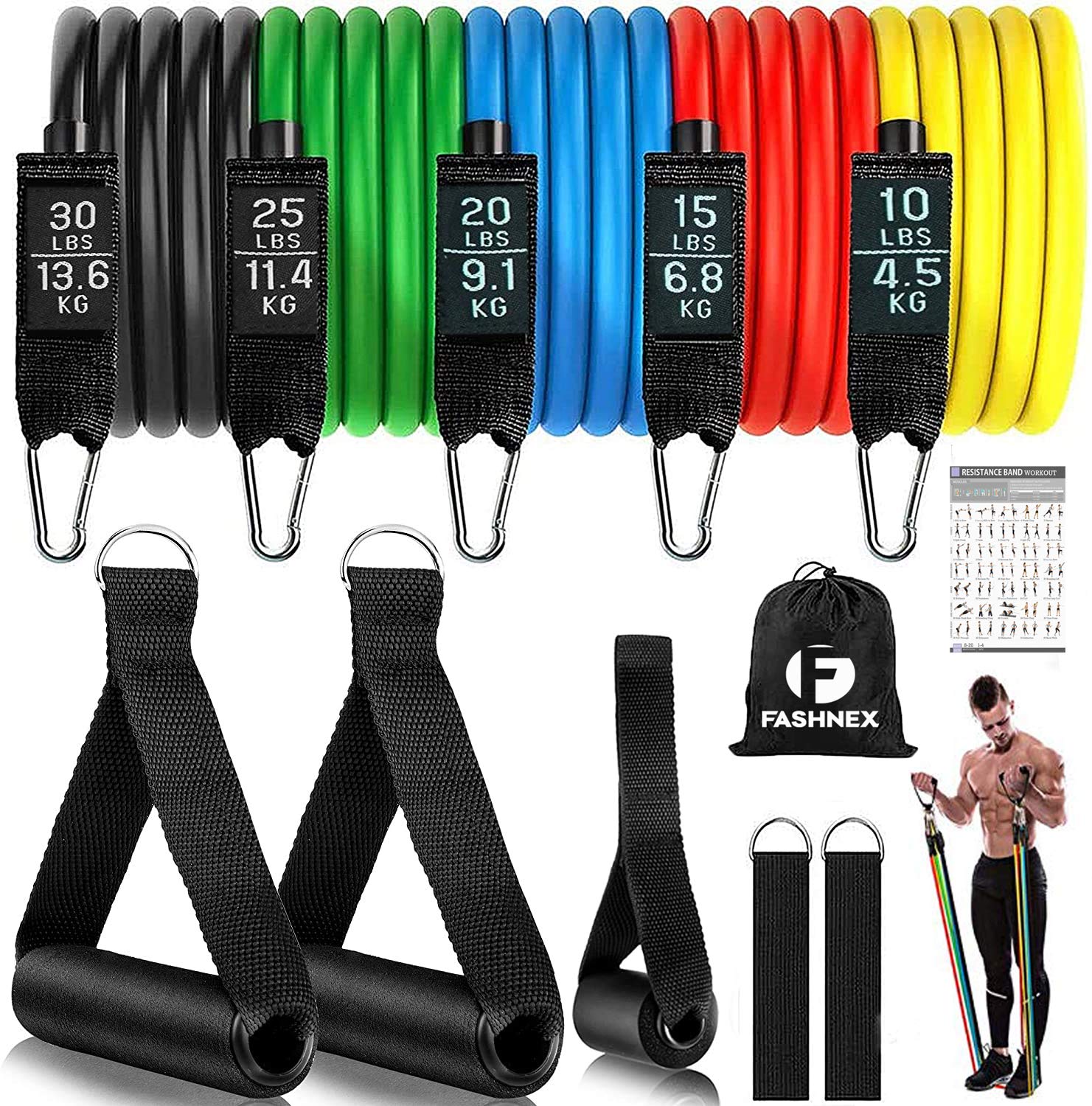


Frequently Asked Questions (FAQs)
Can I lean bulk if I am currently holding excess body fat?
If your body fat percentage is relatively high (above 15 to 18% for men), it is generally recommended to execute a brief fat loss or body recomposition phase before initiating a lean bulk. Starting a surplus with higher baseline body fat can impair your insulin sensitivity, meaning a larger portion of your extra calories may be stored as fat rather than muscle tissue.
What should I do if I accidentally overeat or have a cheat meal?
If you accidentally overeat, do not panic or attempt to starve yourself the following day. A single day of excessive calories will not ruin your physique. Simply return directly to your structured lean bulking calories and macro targets on your very next meal, and use the extra energy to fuel a high-intensity workout in the gym.
How long should a clean lean bulking phase last?
Because weight gain is highly controlled during a lean bulk, the phase can be sustained for a prolonged period. A productive lean bulk should last a minimum of 4 to 6 months. This extended timeframe gives your body enough continuous time to build noticeable, high-quality muscle structures without requiring an immediate fat loss intervention.
Conclusion
Executing a flawless lean bulk requires a scientific balance of nutrition, targeted progressive overload, and disciplined tracking. By maintaining a small calorie surplus, hitting optimal protein macros, staying consistent with your training log, and adjusting your targets dynamically based on real data, you can build impressive muscle mass while keeping your body lean and sharp. Stay patient, trust the structured process, and let your body adapt systematically over time.
Comments
Post a Comment