
Can You Build Muscle on a Vegan Diet?
Rahullifters.com — Evidence-based fitness education
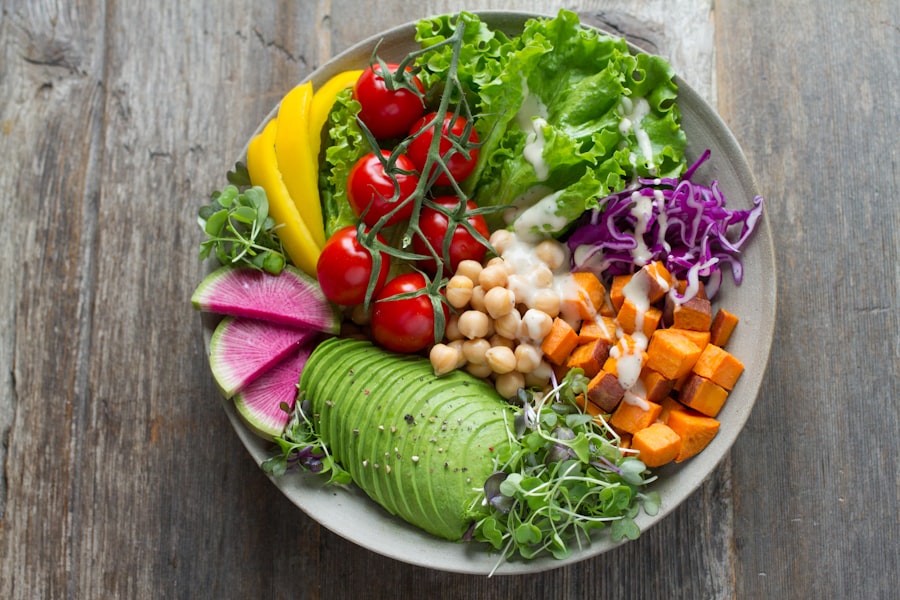
"You cannot build muscle on a vegan diet — you need meat and eggs." If you have ever heard this line, you are not alone. Many people still believe that plant-based eating is incompatible with strength and muscle growth.
But here is the truth: yes, you can absolutely build muscle on a vegan diet. Thousands of plant-based athletes around the world prove it every day. However, it does require a little more planning. Let us break down the science in simple language so you know exactly how to make it work.
ADVERTISEMENT
Can Vegans Really Build Muscle? (The Short Answer)
Muscle growth depends on three main things: enough protein, enough total calories, and progressive training. It does not depend on where the protein comes from. Your muscles do not care whether the amino acids came from chicken or from lentils — they just need the amino acids.
Research on plant-based athletes has consistently shown that with proper planning, vegans can build muscle, gain strength, and perform at a high level. The key word is planning. A vegan diet is not automatically worse — but it does require more awareness of certain nutrients.
Why Some People Say You Cannot Build Muscle on Plants
The criticism usually comes from three real challenges. Let us look at them honestly:
- Lower protein quality in some plant foods: Many plant proteins are "incomplete" — they do not contain all nine essential amino acids in ideal amounts. Animal foods like meat, eggs, and dairy are "complete." This does not mean plants are bad — it just means you need to combine plant foods correctly.
- Lower protein digestibility: Some plant proteins (like from whole grains and legumes) are slightly harder for the body to digest compared to animal proteins.
- Bulkier food volume: Plant foods contain more fiber and water. You may feel full before you have eaten enough calories and protein for growth.
These are real challenges — but every single one can be solved with smart food choices. That is what the rest of this article is about.
ADVERTISEMENT
How Much Protein Do Vegan Lifters Need?
Because plant proteins are slightly less digestible, most experts recommend vegans aim for slightly higher protein intake than meat-eaters.
- Standard target: 1.6 to 2.0 grams of protein per kg of body weight per day
- Vegan target: 1.8 to 2.2 grams per kg of body weight per day
For a 70 kg person, that is roughly 125 to 155 grams of protein per day. It sounds like a lot, but with the right foods, it is easier than you think. To check your personal target, use our 🔗 Intake Finder to see exactly how much protein, carbs, and fats you need.
Best Vegan Protein Sources for Muscle
Here are the most effective plant-based protein foods, ranked roughly by protein density:
- Soy (tofu, tempeh, edamame): A complete protein and one of the best options for vegan lifters.
- Seitan (wheat gluten): Very high in protein — around 75% protein by weight. Not suitable for people with gluten sensitivity.
- Lentils and chickpeas: Excellent sources of protein and fiber. Combine with rice for a complete amino acid profile.
- Black beans and kidney beans: Cheap, protein-rich, and versatile. Combine with grains for full amino acid coverage.
- Pea protein powder: High-quality, complete, and digestible. Great for shakes.
- Soy protein isolate: A complete protein with a PDCAAS score of 1.0 — equal to animal protein.
- Hemp seeds, chia seeds, pumpkin seeds: Good protein plus healthy fats.
- Peanut butter and peanuts: Calorie-dense and protein-rich — useful for bulking.
To track whether you are hitting your daily protein, calories, and micronutrient goals, use our 🔗 Kcal-Track to log your daily meals accurately.
ADVERTISEMENT
Key Nutrients Vegan Lifters Must Watch
Vegan diets are naturally lower in some nutrients that matter for muscle growth and performance. Keep an eye on these:
- Vitamin B12: Almost non-existent in plants. A deficiency harms energy, recovery, and muscle function. Most vegans need to supplement.
- Creatine: Plant foods contain very little creatine. Vegans often respond very well to creatine supplementation because their natural levels are lower.
- Iron: Plant-based iron (non-heme) is absorbed less efficiently. Pair iron-rich foods (spinach, lentils) with vitamin C (lemon, tomato) for better absorption.
- Omega-3 (EPA/DHA): Found mostly in fish. Vegan sources include algae oil and flaxseeds. Important for recovery and joint health.
- Zinc: Present in beans and seeds but absorbed less efficiently. Soaking and sprouting helps.
- Calcium and Vitamin D: Important for bone strength and hormone function.
If you want to check your daily intake of these critical micronutrients, use our 🔗 Intake Finder to analyze your protein, carbs, fats, and micro-nutrient targets.
How to Structure a Vegan Muscle-Building Diet
Here is a simple framework:
- Eat 3 to 4 meals per day, each with 30 to 50 g of protein
- Include a protein source in every meal — tofu, tempeh, beans, lentils, or seitan
- Combine plant proteins — rice + beans, bread + peanut butter, lentils + rice
- Use plant protein powder if solid food feels too filling
- Eat enough calories — plant foods are less calorie-dense, so you may need to eat more volume
- Add healthy fats from nuts, seeds, olive oil, and avocado for hormone health
- Consider supplements for B12, creatine, algae omega-3, and vitamin D
Want a ready-made vegan plan for muscle gain? Use our 🔗 Diet-Plan Maker to create a personalized plant-based diet for your goals.
Training Still Comes First
Diet provides the raw materials — but the stimulus for growth comes from training. Vegan lifters need to train just as hard as everyone else: progressive overload, compound lifts, and consistency. If you want a ready-made strength plan, try our 🔗 Workout Plan Maker.
Track every set and rep with our 🔗 Workout Log Tracker so you can see your progress over weeks and months.
Common Mistakes Vegan Lifters Make
- Eating too little total protein — plant foods contain less per gram than meat
- Not eating enough calories because plant foods feel more filling
- Relying on a few foods (like only beans and rice) and missing key nutrients
- Skipping B12, creatine, and omega-3 supplements
- Not combining complementary proteins across the day
- Believing vegan automatically equals healthy — junk vegan food still exists
- Not training with enough intensity because of low energy from poor planning
ADVERTISEMENT
Frequently Asked Questions
Q1. Is plant protein as good as animal protein for muscle?
Plant proteins are slightly less digestible and often lower in some essential amino acids. But when you eat a variety of plant foods and hit your total protein target, the difference becomes very small.
Q2. Do vegans need more protein than meat-eaters?
Yes, slightly. Most recommendations suggest vegans aim for about 10-20% more protein to compensate for lower digestibility.
Q3. Can I build muscle without any animal products at all?
Yes. Many competitive vegan athletes have built impressive physiques using only plant foods. The keys are total protein, calories, and consistent training.
Q4. Do vegans need to take creatine?
Vegans often benefit a lot from creatine because plant foods contain almost none. It is one of the most useful supplements for vegan lifters.
Q5. Is a vegan diet better or worse for muscle growth?
Neither is better or worse when protein, calories, and training are matched. The result depends on how well you plan your diet, not on whether it includes animal products.
🏁 Final Takeaway
You can build muscle on a vegan diet — the science is clear on this. The key is not where your protein comes from, but how much total protein and calories you eat, plus consistent training. Vegans need to pay a bit more attention to protein quality, total calories, and key nutrients like B12, creatine, iron, and omega-3. Plan your meals around protein-rich plant foods, use supplements smartly when needed, and train hard. With proper planning, a vegan diet is fully capable of supporting serious muscle growth.
SPONSORED
This article is for educational purposes only and is not medical advice. Consult a qualified professional for personal guidance.