
💪Is It Safe to Take Pre-Workout Every Day?🏋️♂️
Rahullifters.com — Evidence-based fitness education
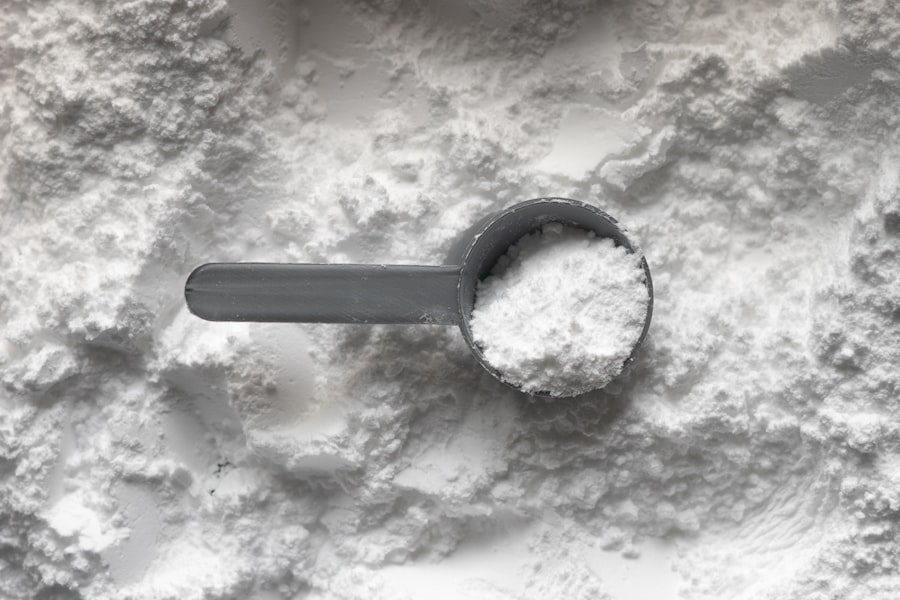
Pre-workout is one of the most popular supplements in the gym. It gives you energy, focus, and that "let's go" feeling before training. But many people start using it every single day — sometimes twice a day — without asking an important question: Is this actually safe?
The honest answer is: it depends. Pre-workout can be safe for daily use, but only if you understand what is inside it, how much you are taking, and how your body responds. Let us break it down in a simple way.
Advertisement
The Short Answer
Yes, pre-workout can be safe to take every day — but only if you keep caffeine intake within safe limits, avoid overdosing, and take breaks when needed. The problem is not the idea of daily use. The problem is how much caffeine and stimulants you are consuming in total across the whole day.
👉What Is Actually Inside Pre-Workout?
Pre-workout is not one single ingredient. It is a mix of several compounds, each with a different purpose. The most common ones are:
- Caffeine — the main stimulant that gives energy and focus
- Beta-alanine — may help with muscular endurance
- Citrulline — may improve blood flow and pumps
- Creatine — supports strength and power (in some formulas)
- Taurine, tyrosine, betaine — various supporting ingredients
- Artificial sweeteners, colors, and flavoring
Some pre-workouts contain 200 to 400 mg of caffeine per scoop — which is roughly equal to 2 to 4 cups of strong coffee. That is where the safety question really begins.
Advertisement
👉Caffeine Limits You Should Know
Health authorities generally consider the following caffeine limits safe for most healthy adults:
- Up to 400 mg of caffeine per day for healthy adults
- Up to 200 mg per single dose for better tolerance
- Less than 100 mg per day for pregnant women (or as advised by a doctor)
If your pre-workout has 300 mg of caffeine and you also drink 2 cups of coffee during the day, you are already at 500 mg or more. That is when problems begin — trouble sleeping, anxiety, fast heartbeat, and stomach upset.

👉The Tolerance Problem
One of the biggest issues with daily pre-workout use is tolerance. Your body adapts to caffeine quickly. If you take 200 mg every day, after a few weeks it may feel like 100 mg. So you increase the dose. Then you need even more to feel the same effect.
This cycle leads to two problems:
- You need more and more caffeine to feel the same energy boost
- When you stop, you feel tired, foggy, and unmotivated for several days (caffeine withdrawal)
To avoid this, many people cycle their pre-workout — using it 3 to 4 days per week instead of daily, and taking a full break every few months.
👉Possible Side Effects of Daily Use
If you take pre-workout every day — especially at high doses — you may experience:
- Difficulty falling asleep or poor sleep quality
- Anxiety, jitteriness, or feeling "wired"
- Fast or irregular heartbeat
- Headaches
- Stomach upset or nausea
- Increased blood pressure (temporary)
- Dependence on it to feel motivated to train
These effects are usually not dangerous for healthy adults in the short term, but they can become a real problem if they continue daily for months.
Advertisement
👉Who Should Be Careful With Daily Pre-Workout?
- People with high blood pressure or heart conditions
- People with anxiety or sleep disorders
- People who are sensitive to caffeine
- Pregnant or breastfeeding women
- People taking medication that interacts with stimulants
- Teenagers whose bodies are still developing
- Anyone who trains late in the evening (sleep will be affected)
If any of these apply to you, speak to a doctor before using pre-workout daily.
👉How to Use Pre-Workout Safely Every Day
If you do want to use it daily, follow these simple rules:
- Keep total caffeine under 400 mg per day — including coffee, tea, and energy drinks
- Choose pre-workouts with 150 to 200 mg of caffeine per scoop
- Avoid taking it after 4 PM if you sleep before midnight
- Take 1 to 2 days off per week to reduce tolerance
- Take a full 1 to 2 week break every 2 to 3 months
- Drink plenty of water throughout the day
- Do not stack it with other high-caffeine products
- Start with half a scoop to check your tolerance

❕Common Mistakes People Make
- Taking a full scoop on the very first day
- Stacking pre-workout with coffee or energy drinks
- Using it late at night and then wondering why sleep is bad
- Increasing the dose instead of taking a break
- Ignoring blood pressure or heart-related symptoms
- Believing you cannot train without it
Advertisement
❓Frequently Asked Questions
Q1. Can I take pre-workout every day?
Yes, if your total daily caffeine stays within safe limits and you take regular breaks. Otherwise, 3 to 4 days per week is a smarter approach.
Q2. Will pre-workout stop working if I take it daily?
Yes. Your body builds tolerance to caffeine quickly, so the same dose will feel weaker over time.
Q3. Is pre-workout bad for my heart?
For healthy adults at normal doses, it is generally considered safe. But high doses or existing heart conditions can increase risk. Speak to a doctor if unsure.
Q4. Can I take pre-workout on rest days?
There is no benefit to taking pre-workout on rest days. Save it for training sessions.
Q5. What is a safe caffeine dose in pre-workout?
150 to 200 mg per scoop is a reasonable range for most people. Avoid going above 400 mg total per day from all sources.
Q6. Can I take pre-workout without caffeine?
Yes. Many stimulant-free pre-workouts exist. They still provide ingredients like citrulline and beta-alanine but without caffeine.
🏁 Final Takeaway
Pre-workout can be taken every day, but "safe" depends on how much caffeine you are consuming in total and how your body responds. Keep your daily caffeine under 400 mg, choose moderate-dose products, take 1 to 2 days off per week, and take a full break every few months. If you have any heart condition, anxiety, or sleep problems, speak to a doctor first. Pre-workout is a tool — not something your body should depend on to train. Used smartly, it can support your workouts for years without harm.
Advertisement