
Does creatine damage your kidneys?
rahullifters.com — Evidence-based fitness education
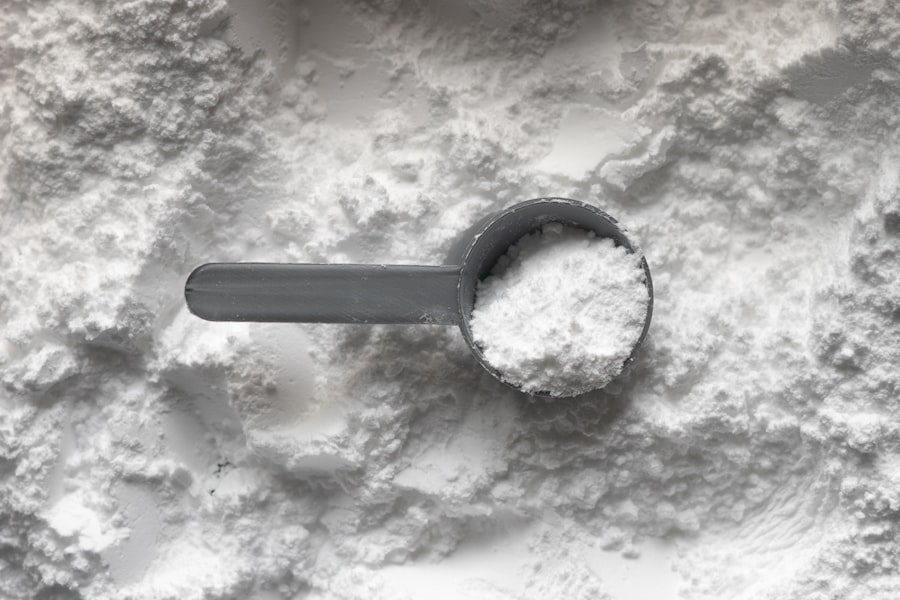
Creatine is one of the most researched sports supplements in the world. It is proven to improve strength, power, and muscle growth. But along with its popularity comes a common fear: "Creatine is bad for your kidneys." This fear has been repeated so many times that many beginners avoid creatine completely. So let us look at what science actually says.
Why Does This Myth Exist?
This myth started from a simple confusion between two similar-sounding words:
- Creatine — a natural compound found in your muscles and in food like meat and fish.
- Creatinine — a waste product that your kidneys filter out of your blood.
When doctors check kidney function, they measure creatinine levels in your blood. People who take creatine supplements sometimes show slightly higher creatinine levels on a blood test. Many people — and even some doctors — mistake this for kidney damage. But higher creatinine from creatine supplementation does not mean your kidneys are damaged. It only means the test result is being affected by the supplement.

What Science Actually Says
Creatine has been studied for decades. Research on both short-term and long-term use (up to 5 years in some studies) has shown that creatine supplementation does not harm kidney function in healthy individuals.
Key findings from research:
- Creatine does not damage kidney tissue in healthy people.
- It does not reduce kidney filtration rate (the main measure of kidney function).
- Slight increases in blood creatinine are expected and are not a sign of harm.
- Creatine is one of the safest and most effective sports supplements available.
Understanding the Blood Test Confusion
When you take creatine, your muscles store more of it. Over time, some of it naturally breaks down into creatinine. This extra creatinine enters your blood and is filtered by your kidneys. As a result, your blood test may show a slightly higher creatinine value — even though your kidneys are working perfectly.
Important: If you take creatine and get a blood test done, always tell your doctor. They can use a different kidney test (like cystatin C) that is not affected by creatine supplements.

Who Should Be Careful?
Creatine is safe for healthy people, but there are some cases where caution is needed:
- People with existing kidney disease — always consult a doctor first.
- People with liver disease — medical guidance is necessary.
- People on kidney-related medication — check with your doctor.
- People with diabetes or high blood pressure — talk to your doctor before starting.
- Pregnant or breastfeeding women — avoid unless approved by a doctor.
If you are healthy and have no pre-existing conditions, creatine is considered safe when taken at the recommended dose of 3 to 5 grams per day.
Common Mistakes People Make
- Taking very high doses (20 g or more daily for long periods) without reason
- Not drinking enough water while on creatine
- Panicking after seeing slightly higher creatinine on a blood test
- Stopping creatine without understanding the actual science
- Buying low-quality or fake creatine from unknown sellers
- Ignoring existing kidney or liver problems before starting

How to Use Creatine Safely
- Take 3 to 5 grams per day — no need for a loading phase unless you want faster saturation.
- Drink plenty of water throughout the day.
- Take it at any time of day — timing does not matter much.
- Use creatine monohydrate, the most studied and effective form.
- Buy from trusted, well-known brands only.
- If you have any health condition, consult a doctor first.
Frequently Asked Questions
Q1. Can I take creatine if I have only one kidney?
Only with a doctor's approval. A single kidney works harder, so medical guidance is essential.
Q2. Does creatine raise creatinine levels?
Yes, it can slightly raise blood creatinine — but this is not a sign of kidney damage. It is a normal effect of the supplement.
Q3. How long is it safe to take creatine?
Studies have shown safe use for up to 5 years in healthy individuals at normal doses.
Q4. Should I cycle creatine?
No. Cycling is not necessary. You can take creatine continuously at 3 to 5 grams per day.
Q5. Does creatine cause dehydration?
No, if you drink enough water. Creatine pulls water into your muscles, so proper hydration is important.
🏁 Final Takeaway
Creatine does not damage your kidneys in healthy people. The myth comes from a misunderstanding between creatine and creatinine. Science clearly shows that creatine is safe, effective, and one of the most researched supplements available. If you are healthy, taking 3 to 5 grams daily with enough water is completely fine. If you have any kidney, liver, or heart condition, speak to your doctor before starting. Do not let a myth stop you from using one of the most proven supplements in fitness.