
🥤Does BCAAs Really Work❓
Rahullifters.com — Evidence-based fitness education
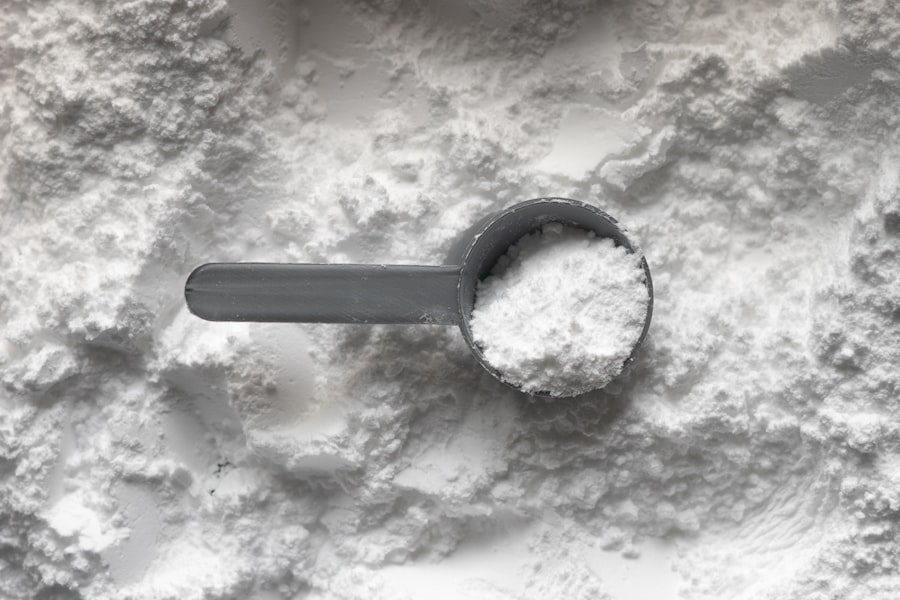
Walk into any supplement store and you will see them — colorful tubs of BCAA powder, promising faster recovery, bigger muscles, and better workouts. They come in every flavor imaginable, from watermelon to blue raspberry. But here is the honest question every beginner should ask: Do BCAAs actually work, or am I just buying overpriced flavored water?
The answer is more interesting than a simple yes or no. Let us break it down in a simple way.
Advertisement
👉What Are BCAAs?
BCAA stands for Branched-Chain Amino Acids. They are three specific amino acids:
- Leucine — the most important one for muscle building
- Isoleucine — involved in energy and recovery
- Valine — helps with energy production during exercise
These three are essential amino acids, meaning your body cannot make them on its own. You must get them from food or supplements.
Here is the key point: BCAAs are naturally present in all protein foods — chicken, eggs, fish, paneer, dal, whey protein, and even rice. So if you eat enough protein, you are already getting plenty of BCAAs.
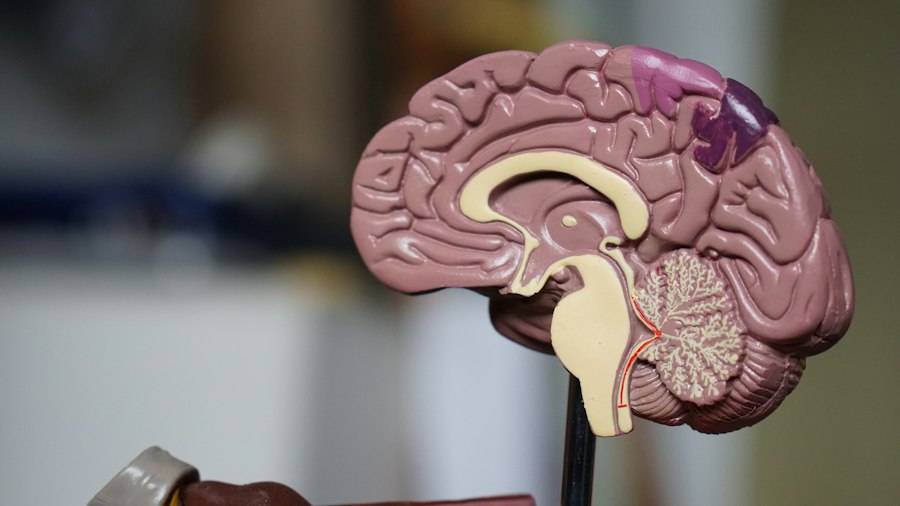
👉The Big Question: Do BCAAs Build Muscle?
This is where things get interesting. For years, supplement companies claimed that BCAAs directly stimulate muscle growth. But recent science tells a different story.
A detailed scientific review published in 2017 examined all the available research on BCAAs and muscle protein synthesis. The conclusion was clear: the claim that BCAAs alone stimulate muscle protein synthesis is not supported by evidence.
Here is why. To build new muscle protein, your body needs all nine essential amino acids — not just the three BCAAs. When you take BCAAs alone, your body has the "signal" to build muscle (from leucine) but not the building blocks (the other six essential amino acids). It is like having workers ready to build a wall, but only having bricks for one corner.
A comprehensive 2026 review also found that BCAAs do not produce meaningful improvements in endurance performance or muscle recovery. Despite changes in blood markers, these changes did not translate into real-world benefits for athletes.
BCAAs vs. Whey Protein — A Simple Comparison
Whey protein contains all nine essential amino acids, including BCAAs.
BCAA supplements contain only three of the nine essential amino acids.
When researchers compared BCAAs to whey protein, whey produced more than double the muscle growth response. Whey is also cheaper per serving.
👉Where BCAAs Might Actually Help
Now, I do not want to say BCAAs are completely useless. There are a few situations where they may provide some benefit:
- Reducing muscle soreness: Some research suggests BCAAs may slightly reduce muscle soreness after exercise. A 2026 overview of studies found that BCAAs can reduce muscle soreness (small effect) and lower creatine kinase levels, which is a marker of muscle damage.
- When you cannot eat protein: If you are training fasted or cannot have a protein-rich meal around your workout, BCAAs are better than nothing.
- Placebo effect: If taking BCAAs makes you feel more motivated to train, that is a real benefit — even if it is psychological.
But here is the honest truth: none of these benefits are unique to BCAAs. Whey protein, a chicken breast, or even a glass of milk would give you the same benefits — plus all the other essential amino acids.

Advertisement
👉Who Should Skip BCAAs?
- People who eat enough protein: If you are hitting your daily protein target (1.6–2.2 g per kg of body weight), BCAAs will add almost nothing!
- Budget-conscious lifters: Your money is better spent on whey protein, eggs, chicken, Whey, ect...
- Beginners: Focus on total protein intake and consistent training first. Supplements come later.
👉Common Mistakes People Make
- Taking BCAAs instead of a complete protein source
- Believing BCAA marketing claims without checking the science
- Spending money on BCAAs while neglecting total daily protein intake
- Thinking BCAAs are "essential" for muscle growth (they are not — complete protein is)
- Buying expensive BCAA drinks when whey protein costs less per serving
Advertisement
❓Frequently Asked Questions
Q1. Are BCAAs a waste of money?
For most people who eat enough protein, yes. They provide little benefit beyond what you already get from food. If you are on a tight budget, whey protein is a much better investment.
Q2. Can I build muscle with BCAAs alone?
No. Your body needs all nine essential amino acids to build muscle. BCAAs only provide three of them.
Q3. Do BCAAs help with fat loss?
No. BCAAs do not burn fat. Fat loss depends on a calorie deficit, not on amino acid supplements.
Q4. Is whey protein better than BCAAs?
Yes. Whey protein contains all essential amino acids, costs less per serving, and has stronger evidence for muscle growth.
Q5. Should I take BCAAs if I train fasted?
BCAAs are better than nothing in a fasted state, but a complete protein source (like whey) would still be better if your goal is muscle growth.
Advertisement
🏁 Final Takeaway
BCAAs are not completely useless, but they are far from essential. The science shows that BCAAs alone do not build muscle effectively because they lack the other six essential amino acids your body needs. They may slightly reduce soreness, but whey protein or regular protein foods give you the same benefit — plus everything else your muscles need. If you eat enough protein from real food or whey, BCAA supplements are mostly expensive flavored water. Save your money and invest in quality protein instead.