

FAT-LOSS AND CUTTING - ULTIMATE GUIDE!
If you want to lose fat, you have clicked on the right guide.
Fat loss during a cutting phase requires precision. Your goal is simple: eliminate stubborn body fat while keeping every pound of hard-earned muscle. Whether you want to drop body fat quickly or break through a plateau, this guide covers proven strategies and exact tools to fast-track your results.

1. Master Caloric Deficit & Nutrition Basics
To lose fat, you must burn more calories than you consume. However, cutting calories too aggressively triggers muscle loss and slows down your metabolism.
First, calculate your baseline energy intake to set a moderate 15-20% caloric deficit. Track your meal daily to avoid unintended extra calories from oils and snacks.
Calculators to Calculate Your Calorie Deficit:
Find your baseline calories and analyze your daily macros accurately.
Open BMR Finder Open Intakes Analyzer Open KCAL-TRACK2. How to Lose Weight Without Losing Muscle
Wondering how to lose weight without losing muscle? The secret lies in maintaining high protein intake and continuing heavy progressive resistance training.
- Protein Target: Eat 1.8g to 2.2g of protein per kg of body weight daily.
- Keep Lifting Heavy: Do not switch to light weight high reps exclusively. Lift heavy to signal your body to retain muscle tissue.
- Cardio Control: Keep cardio moderate so it does not interfere with muscle recovery.
Track Your Workout & Cardio Sessions:
Log your lifting weights and calculate exact cardio burning time.
Open WORKOUT-LOG Open Kcals Burning Calculator
3. Macro Breakdown for Cutting vs Bulking
Here is the standard macronutrient breakdown to ensure optimal fat burning while keeping strength high:
| Fitness Phase | Protein (% Calories) | Carbs (% Calories) | Fats (% Calories) |
|---|---|---|---|
| Fat Loss & Cutting | 35% - 40% | 30% - 35% | 25% - 30% |
| Recomposition | 30% - 35% | 40% | 25% |
| Muscle Gain / Bulk | 25% - 30% | 50% | 20% - 25% |
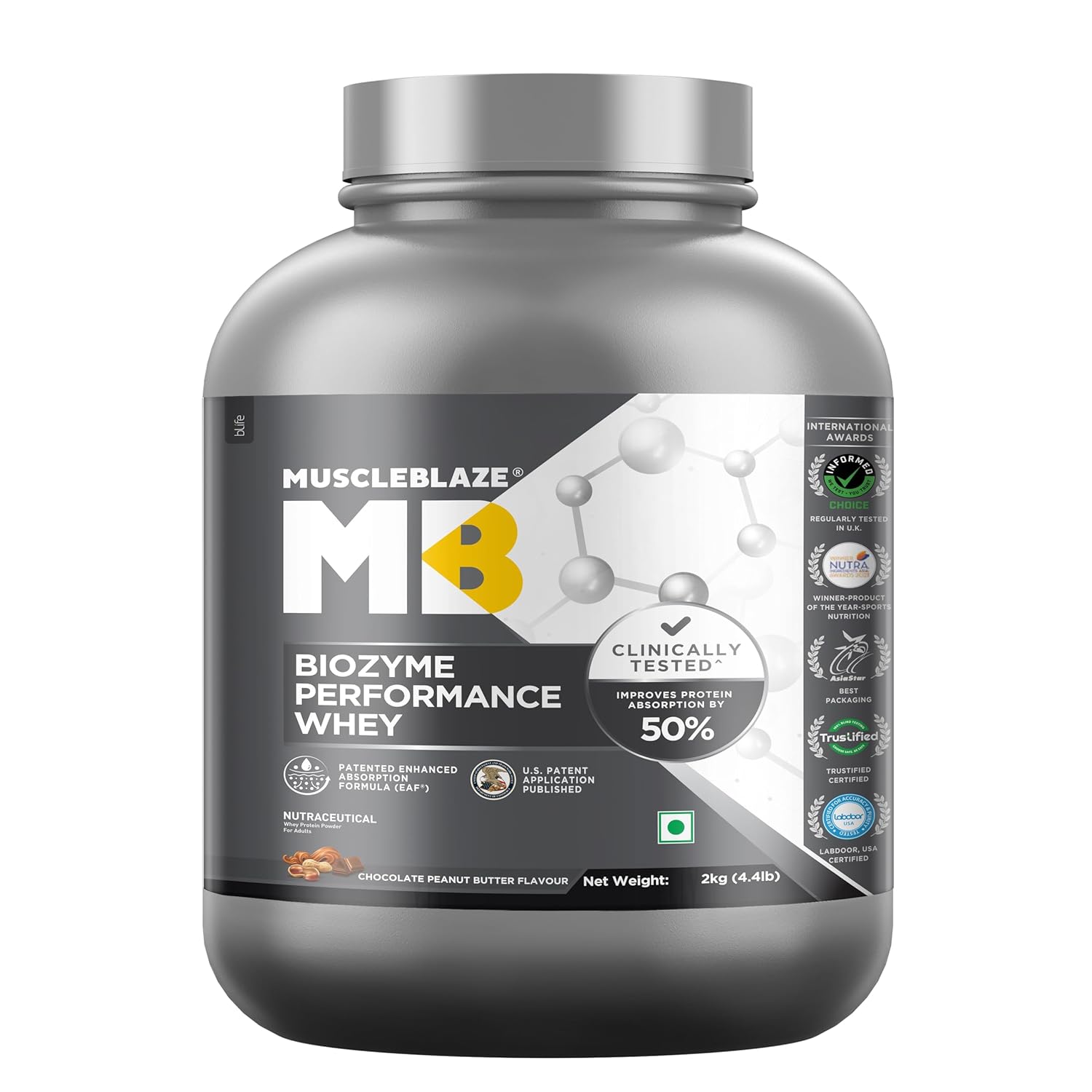
Best MuscleBlaze Whey Protein
MuscleBlaze Biozyme Performance Whey Protein Powder, Chocolate Peanut Butter (2kg / 4.4lbs) | 25g Protein Per Scoop
Check Price on Amazon
Best Home-Workout Dumbbells
Symactive 20 Kg PVC Adjustable Dumbbells Fitness Kit for Full Body Workout (2 Kg x 4 + 3 Kg x 4 Kg Weight, One Pair 14'' Dumbbell Rods)
Check Price on Amazon
Wellcore Creatine For Muscle-Gaining
Wellcore Pure Micronised Creatine Powder (33 Servings, Tropical Tango) For Enhanced Muscle Strength
Check Price on Amazon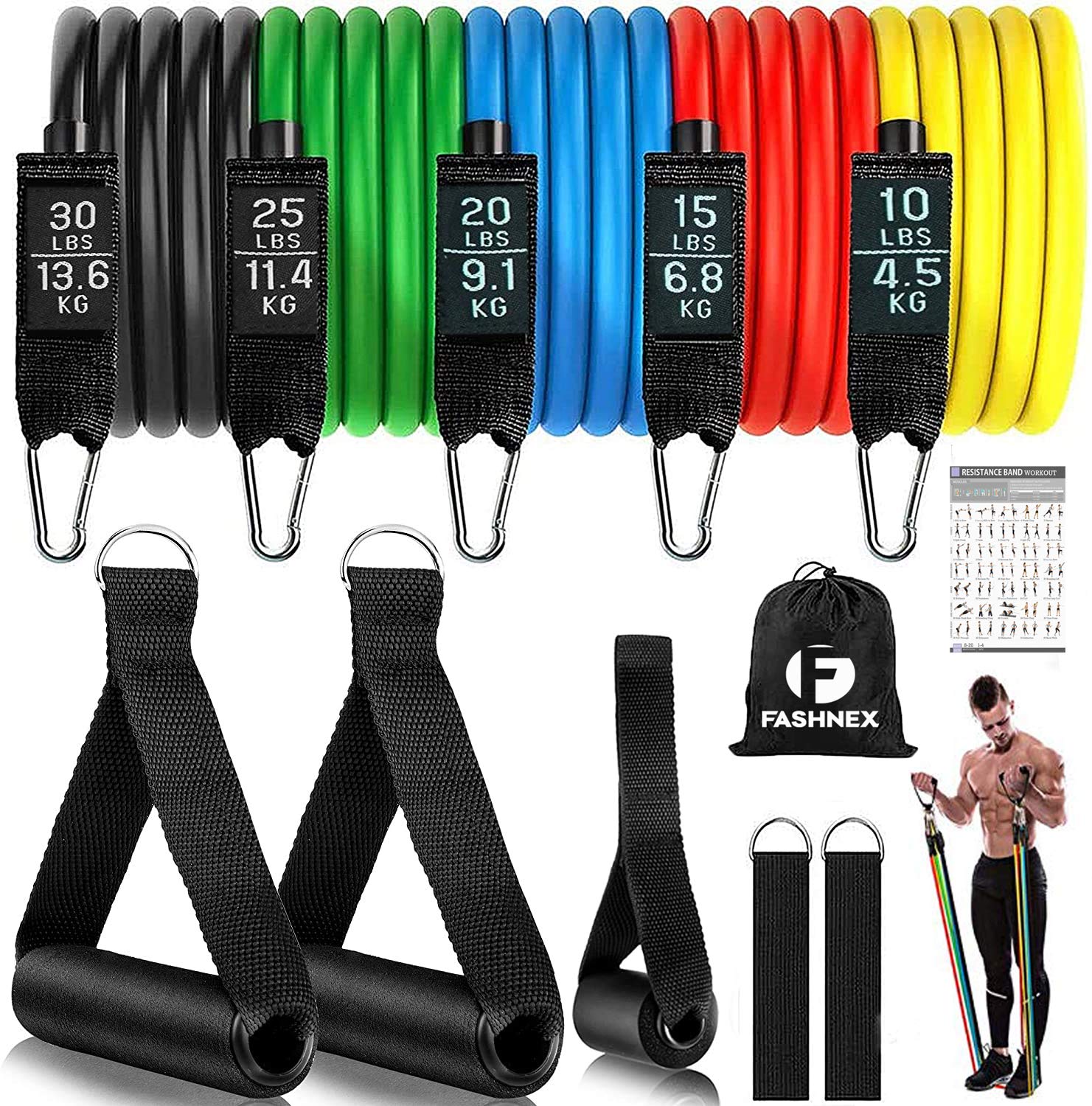
Resistance Band For Home-Workout
Resistance Bands Set for Exercise, Stretching and Workout Toning Tube Kit with Foam Handles, Door Anchor
Check Price on Amazon
Peanut Butter 100% Peanuts Only
Pintola All Natural Peanut Butter Crunchy 1kg | Smooth, Unsweetened | 30g Protein | Gluten & Cholesterol Free
Check Price on Amazon4. The Best Diet Plan for Weight Loss and Muscle Gain
Creating the best diet plan for weight loss and muscle gain requires nutrient-dense foods. Focus on lean chicken breast, eggs, tofu, fish, oats, green vegetables, and healthy fats like almonds.
Proper meal timing also prevents energy crashes and supports recovery after heavy training sessions.
Create Your Custom Diet Plan & Check Body Stats:
Generate custom meal plans and measure your body metrics instantly.
Open Diet Plan Maker Open Meal Gap Finder Open Body-Fat Calculator Open BMI Calculator5. How to Maintain Results After Weight Loss
Understanding how to maintain results after weight loss prevents post-cut weight regain. Once your cut finishes, gradually raise your daily calories by 100-150 kcal each week (reverse dieting) until you reach maintenance calories.
Top 10 Frequently Asked Questions (FAQs)
1. Why am I not losing weight in a calorie deficit?
If you ask why am I not losing weight in a calorie deficit, you may be miscalculating food portions, underestimating condiment calories, or experiencing temporary water retention due to high stress and cortisol levels.
2. How to lose belly fat without exercise?
If you want to know how to lose belly fat without exercise, strictly control your caloric intake, drink plenty of water, cut out liquid sugar, and prioritize 7-8 hours of quality sleep daily.
3. How to lose weight fast for women over 40?
Learning how to lose weight fast for women over 40 involves managing hormonal changes, prioritizing resistance training to prevent muscle decline, and eating a protein-rich whole food diet.
4. Can intermittent fasting help with belly fat?
Yes, can intermittent fasting help with belly fat? Intermittent fasting restricts your eating window, which naturally reduces total caloric intake and improves insulin sensitivity, making fat burning easier.
5. What is the best fat burning supplement?
When asking what is the best fat burning supplement, research shows caffeine, green tea extract (EGCG), and L-Carnitine offer mild boosts. However, no supplement replaces a proper caloric deficit.
6. How to lose weight without losing muscle tissue?
Keep your caloric deficit moderate (300-500 calories max), consume 2g protein per kg of body weight, and continue lifting heavy weights 3 to 5 times per week.
7. What is the best diet plan for weight loss and muscle gain?
A diet focused on lean protein sources, complex carbohydrates around workouts, essential healthy fats, and high fiber greens is ideal for simultaneous fat loss and muscle retention.
8. How to maintain results after weight loss long-term?
Reverse diet slowly back to maintenance calorie levels, track your weekly average weight, and keep strength training consistently.
9. How often should I check my body fat percentage?
Check your body fat percentage every 2 to 3 weeks using a body fat calculator to ensure you are dropping fat rather than muscle.
10. What is a healthy weekly rate of weight loss?
A safe, sustainable rate of weight loss is 0.5% to 1% of your total body weight per week. Faster rates often lead to muscle loss.
Comments
Post a Comment