

What Happens If You Don't Workout For 15 Days But Keep Protein High

Life happens. Injury, vacations, exams, or pure mental burnout can force you away from the iron game. A primary fear for any lifter visiting rahullifters.com is losing hard-earned muscle during a break.
This scientific guide breaks down what happens to your muscles, metabolic rate, and strength when you take a complete 15-day break while keeping your protein high.
The 15-Day Detraining Timeline
In sports science, taking a break from training is known as detraining. The human body is highly adaptive. When physical stress stops, muscle preservation systems change.
Fortunately, 15 days is a relatively short window. Your body will not instantly lose all its muscle tissue, especially if you maintain proper nutritional habits.
Physiological Changes Matrix (Days 1–15)
| Timeframe | Muscle Mass Status | Glycogen & Water Levels | Strength Levels |
|---|---|---|---|
| Days 1 - 3 | Full Preservation (Recovery Phase) | Stable / Peak Saturation | 100% Retained |
| Days 4 - 7 | No Actual Atrophy | Slight Decrease (Muscles look flatter) | Neurological efficiency drops slightly |
| Days 8 - 11 | Protected by High Protein | Significant Glycogen Depletion | Minor strength loss due to reduced pump |
| Days 12 - 15 | Minimal to No True Atrophy | Stabilized Lower Volume | Psychological focus drops; actual mass safe |
The Shield: High-Protein Muscle Preservation
Muscle protein turnover is a constant balancing act between Muscle Protein Synthesis (MPS) and Muscle Protein Breakdown (MPB). When you stop lifting, MPS baseline drops.
By keeping your protein high (1.6g to 2.2g per kilogram of body weight), you supply a constant stream of amino acids. This acts as a metabolic shield, reducing MPB and preventing actual muscle loss.
Make sure you are hitting your exact targets even on rest days. Calculate your maintenance needs using our CLICK HERE TO USE OUR CAL-TRACK CALORIES COUNTER system.
CHECK OUT - BEST MUSCLEBLAZE WHEY PROTEIN
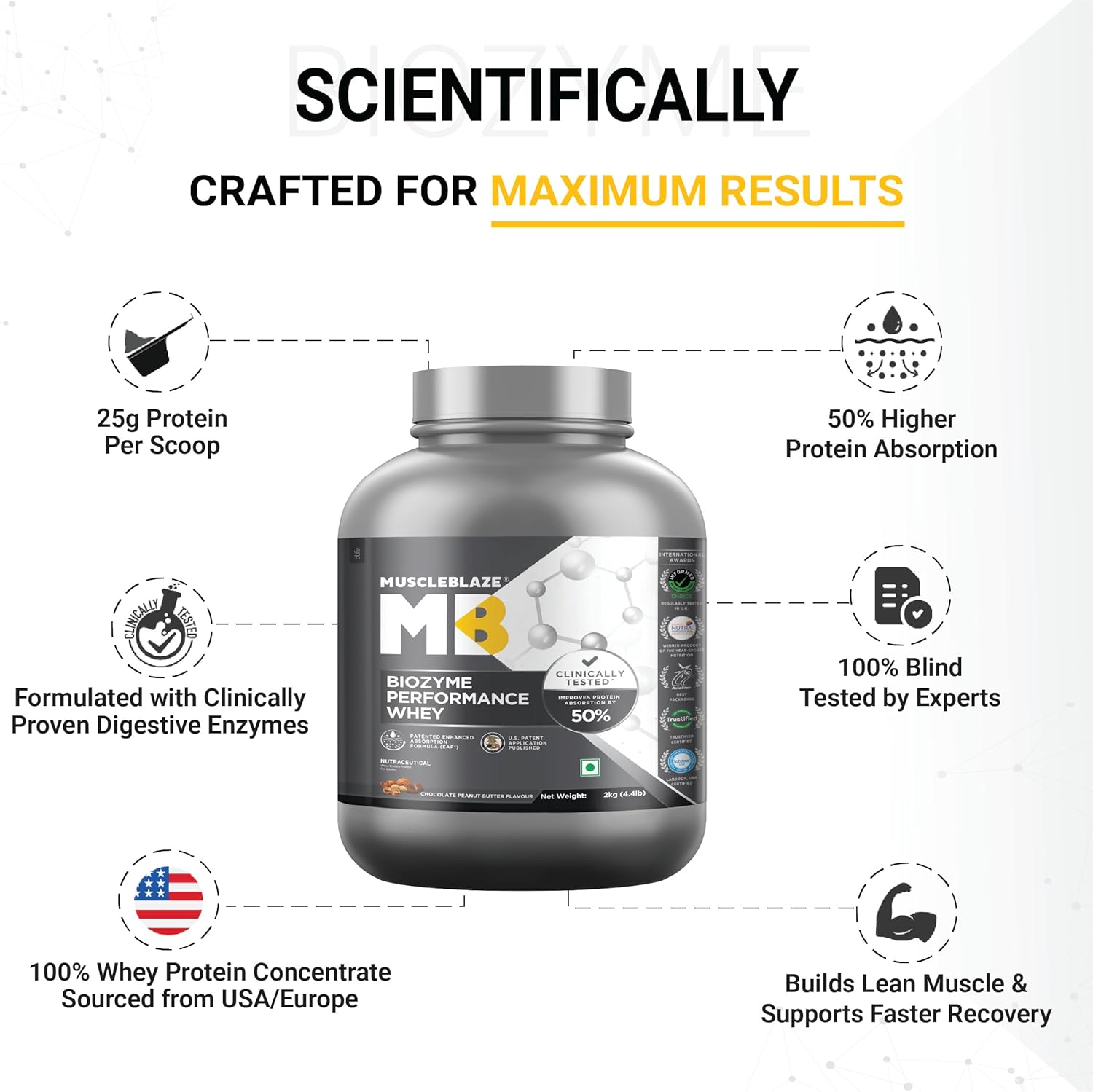
MuscleBlaze Biozyme Performance Whey Protein Powder, Chocolate Peanut Butter (2kg / 4.4lbs) | 25g Protein Per Scoop
Check Price on Amazon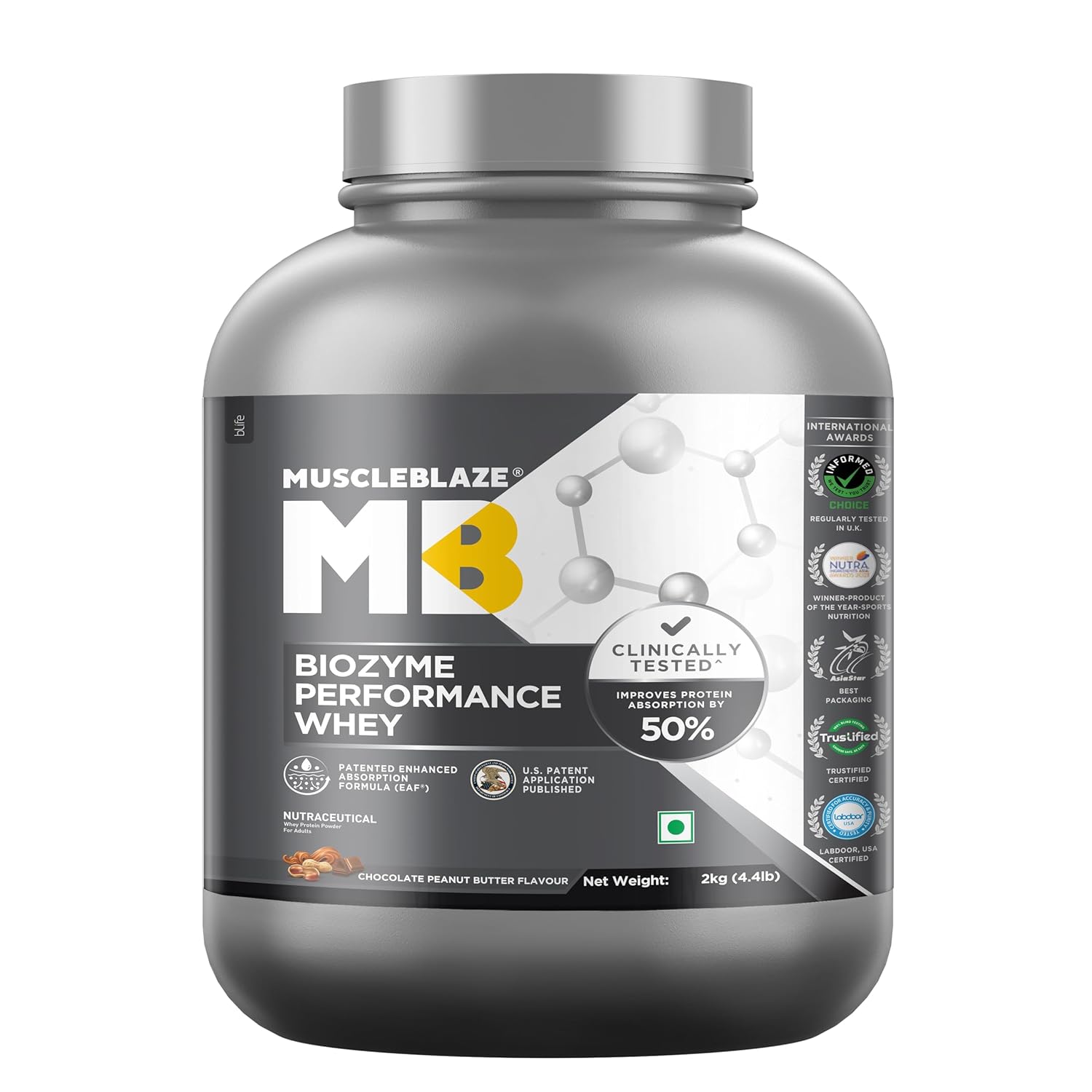

The Illusion of Muscle Loss
Around day 7, you might notice your muscles look smaller or softer in the mirror. This is not structural muscle loss (atrophy). It is the depletion of muscle glycogen and intramuscular water.
When you stop training, your body drops its urgent storage of fast-access carbohydrate energy inside the muscle cells. Once you return to the gym, this fullness returns within 3 to 4 days.
Metabolic Adjustments: Calorie Intake Changes
While protein remains high, your total calorie requirements drop because your active energy expenditure decreases. If you keep eating the exact same total calories as your heavy training days, you may gain body fat.
Adjust your daily intake to hit a strict maintenance level. This ensures you keep your lean mass without accumulating extra body fat during your sedentary phase.
You can readjust your macros and plan your recovery diet with our CUSTOM DIET-PLAN-MAKER.
What Happens to Your Strength?
True structural strength does not vanish in two weeks. Any immediate drop you feel upon returning to the gym is purely neurological. Your nervous system simply becomes less efficient at recruiting motor units.
Your connective tissues, tendons, and muscle fibers remain strong. Within two or three active workouts, your brain will re-establish the neural pathways, and your strength will return to normal.
CHECK OUT - BEST WELLCORE CREATINE FOR MUSCLE-GAINING
Wellcore Pure Micronised Creatine Powder (33 Servings, Tropical Tango) For Enhanced Muscle Strength
Check Price on Amazon


How to Strategize Your Return
Do not jump directly into your old maximum weights on day 16. Start with 80% of your previous volume to avoid extreme Delayed Onset Muscle Soreness (DOMS).
Track your comeback workouts closely. Treat your return phase systematically to safely ramp up your intensity back to peak levels.
Log your return weights and track your recovery progression using the WORKOUT-LOG.
Frequently Asked Questions
Q: Will 15 days of rest ruin my fitness progress?
A: Absolutely not. In many cases, a 15-day break allows deep joint and systemic nervous system recovery, leading to better long-term gains.
Q: Should I lower my protein during this break?
A: Keep your protein high. Protein is the primary macro responsible for preventing muscle wasting when mechanical stimulus is absent.
Rest is a weapon when used correctly. Keep your nutrition optimized, protect your hard work, and prepare for a stronger return at rahullifters.com!
Comments
Post a Comment