

Micronutrients Explained: Complete A to Z Guide for Beginners

Confused What Are Micronutrients? So You Clicked On The Right Site!
If you want better health, stronger muscles, improved immunity, and higher energy levels, understanding micronutrients is essential. This complete beginner-friendly guide explains what micronutrients are, why they matter, their types, food sources, and deficiency signs using simple English.
What Are Micronutrients?

Micronutrients are vitamins and minerals that your body needs in small amounts. Unlike carbohydrates, protein, and fats, they do not provide calories. However, they are necessary for hundreds of important functions such as metabolism, immunity, bone health, hormone production, and muscle function.
Types of Micronutrients
| Category | Examples | Main Function |
|---|---|---|
| Vitamins | A, B, C, D, E, K | Support body processes and metabolism |
| Minerals | Calcium, Iron, Zinc, Magnesium, Potassium | Build bones, muscles, nerves, and blood cells |


Best Wellcore Creatine For Muscle-Gaining
Wellcore Pure Micronised Creatine Powder (33 Servings, Tropical Tango) For Enhanced Muscle Strength
Check Price on AmazonImportant Vitamins and Their Benefits

- Vitamin A: Supports vision, skin, and immunity.
- Vitamin B Complex: Helps convert food into energy and supports the nervous system.
- Vitamin C: Promotes collagen production and immune function.
- Vitamin D: Helps absorb calcium and supports bone health.
- Vitamin E: Acts as an antioxidant that protects cells.
- Vitamin K: Supports blood clotting and bone metabolism.
Essential Minerals Explained
- Calcium: Important for bones, teeth, and muscle contraction.
- Iron: Helps carry oxygen in the blood.
- Magnesium: Supports muscle function and energy production.
- Zinc: Helps immunity and wound healing.
- Potassium: Maintains fluid balance and healthy nerve function.
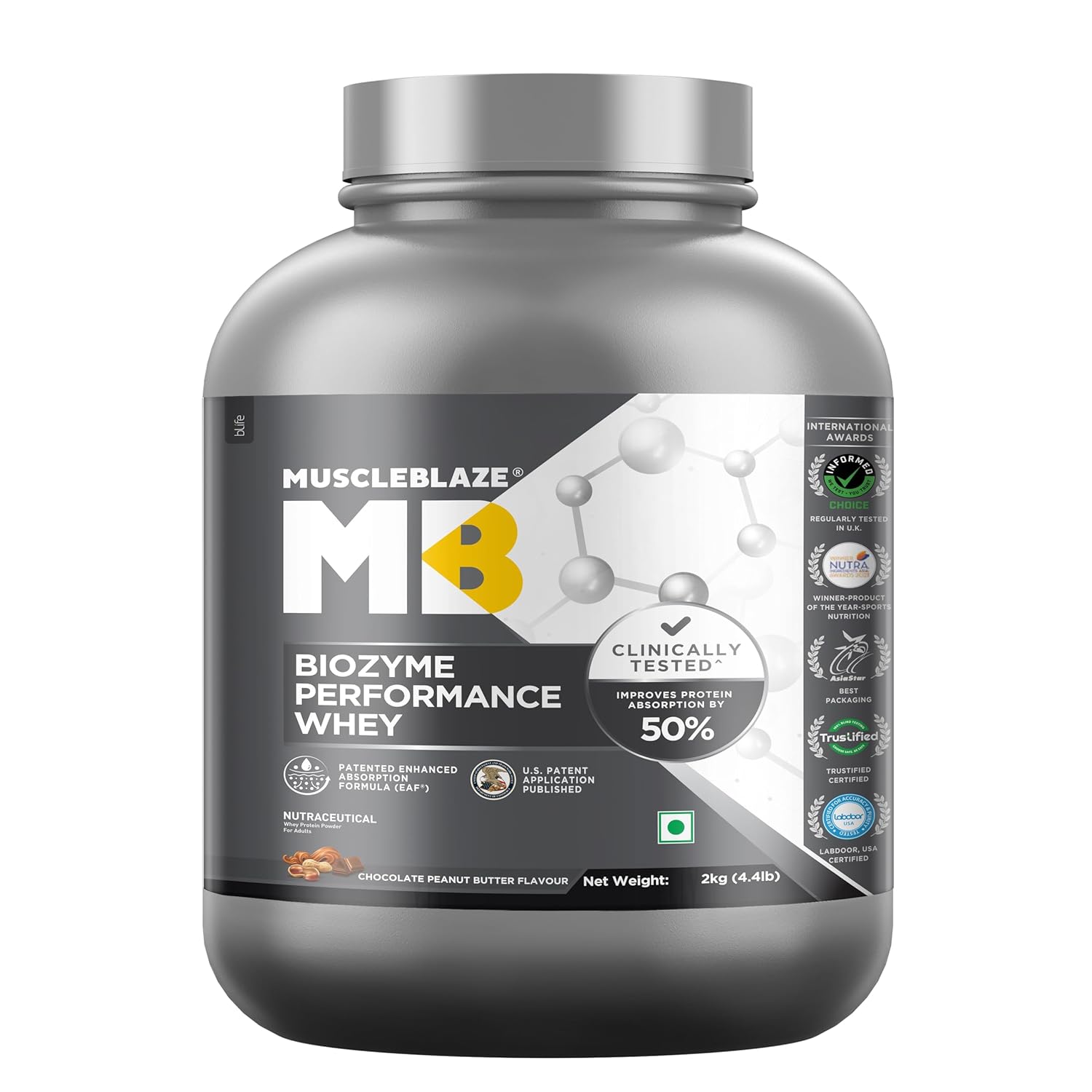
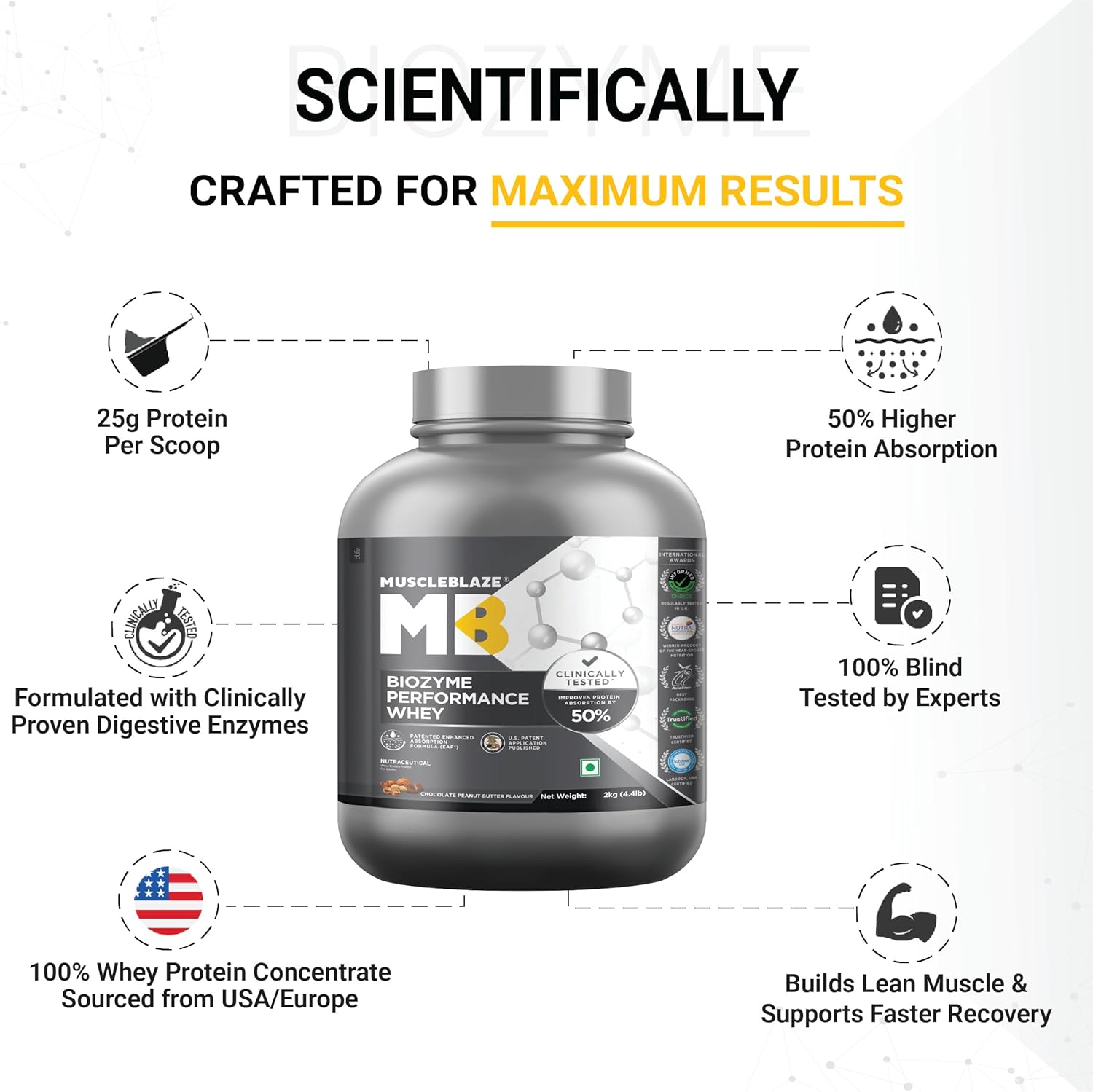

Best MuscleBlaze Whey Protein
MuscleBlaze Biozyme Performance Whey Protein Powder, Chocolate Peanut Butter (2kg / 4.4lbs) | 25g Protein Per Scoop
Check Price on AmazonBest Food Sources of Micronutrients
| Food | Rich Nutrients |
|---|---|
| Eggs | Vitamin D, B12, Selenium |
| Milk & Yogurt | Calcium, B12, Phosphorus |
| Leafy Greens | Vitamin K, Folate, Magnesium |
| Citrus Fruits | Vitamin C |
| Nuts & Seeds | Vitamin E, Magnesium, Zinc |
| Chicken & Fish | Iron, Zinc, B Vitamins |
What Happens If You Lack Micronutrients?
Micronutrient deficiencies may lead to fatigue, weak immunity, poor concentration, muscle cramps, slower recovery, brittle bones, or anemia. Eating a varied diet is usually the best way to reduce the risk of deficiencies.
Frequently Asked Questions
Are micronutrients the same as macronutrients?
No. Macronutrients provide energy (calories), while micronutrients support essential body functions but provide virtually no calories.
Do gym-goers need micronutrients?
Yes. Vitamins and minerals support muscle recovery, energy metabolism, hydration, and overall performance.
Can supplements replace healthy foods?
Supplements may help in some situations, but a balanced diet with whole foods is generally the best source of micronutrients.
Final Thoughts
Micronutrients may be needed in small amounts, but they have a huge impact on health and fitness. Eating a balanced diet with fruits, vegetables, dairy, whole grains, nuts, seeds, and quality protein sources can help your body get the vitamins and minerals it needs to function at its best.
https://glamourpicklessteward.com/vjpukddkbw?key=83055973f030876ab47a530d978c0484
Comments
Post a Comment