

What If You Consume: Protein More Then Your Requirement?

SO, YOU THINK THAT - MORE PROTEIN = MORE MUSCLES?
Protein is the ultimate holy grail for lifters, athletes, and fitness enthusiasts. It builds muscle, repairs tissue, and keeps you full during tough cutting phases.
But can you have too much of a good thing? Many fitness enthusiasts blindly dump massive amounts of protein scoops into their shakers without understanding the metabolic consequences.
Optimize Your Macros Instantly: Before guessing your nutrient targets, use our advanced Intakes Calculator to find out exactly how much daily protein your body demands based on your real activity levels.
Is Excess Protein Stored as Muscle or Fat?
Your body cannot store excess amino acids for later use like it stores carbohydrates (as glycogen) or fats (as adipose tissue).
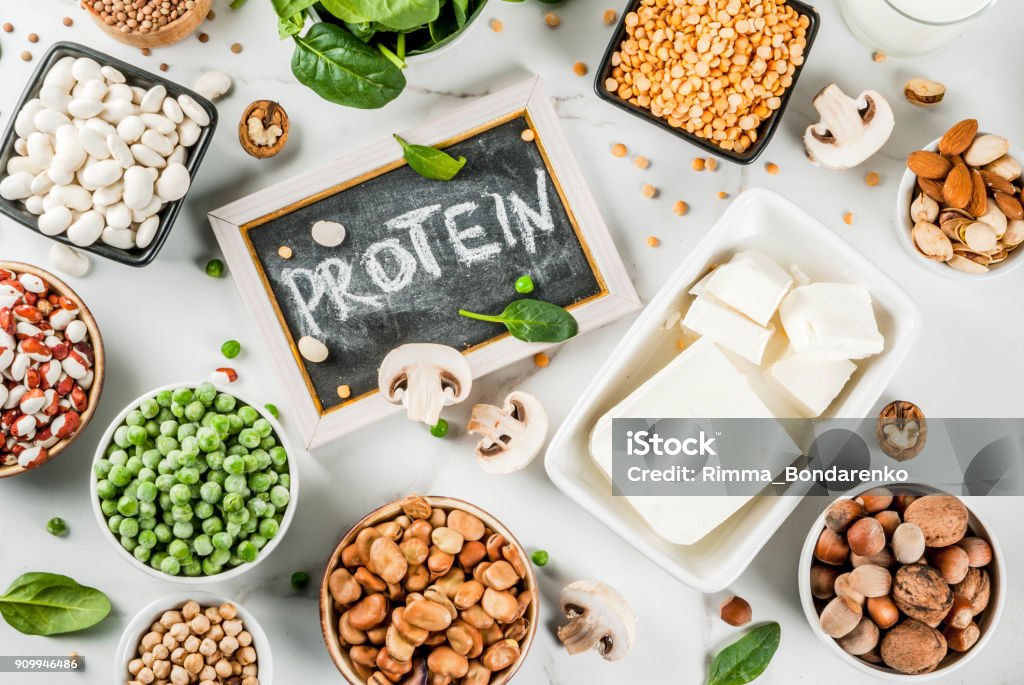
The Truth About Deamination
When you eat more protein than your muscles can actively utilize for synthesis, your liver breaks down the surplus via a process called deamination.
The nitrogen component is stripped away and turned into urea, which you urinate out. The remaining carbon skeleton is left behind.
Can Surplus Protein Make You Fat?
Yes. If those excess protein calories push you into a total **caloric surplus**, the remaining carbon skeletons will be converted into glucose or stored directly as fat reserves.
Side Effects of High Protein Intake on the Body
Consuming extreme amounts of protein day after day creates a distinct set of physical side effects that can stall your physical performance.
- Digestive Issues & Bloating: Relying heavily on shakes and meats while ignoring fiber leads to severe constipation and gas.
- Dehydration Risks: Your kidneys require significantly more water to filter out the nitrogenous waste products of broken-down protein.
- Unwanted Fat Gain: Protein still contains 4 calories per gram; excess calories lead to fat storage regardless of the clean source.
- Bad Breath (Ammonia Odor): A heavy protein load combined with low carbs forces the body into a state where breath smells distinctly like ammonia.
Monitor Your Body Composition: Unsure if your current meal strategy is dropping fat or adding unwanted weight? Track your numbers with our free Body-Fat Calculator to verify your lean muscle gains.
Protein Intake Breakdown: Optimal vs. Excessive Limits
Let's look cleanly at how different tiers of daily protein consumption impact your muscle goals, kidney function, and body fat mass.
| Intake Tier | Daily Range (Per KG) | Metabolic Impact & Result |
|---|---|---|
| Sedentary Baseline | 0.8g per kg of bodyweight | Prevents basic deficiency; completely inadequate for building mass. |
| Optimal Muscle Growth | 1.6g to 2.2g per kg | Maximum muscle protein synthesis without unnecessary caloric waste. |
| Excessive Zone | 2.5g to 3.0g per kg | No added muscle benefit; increased risk of digestive stress and extra calorie load. |
| Extreme Surplus | Greater than 3.2g per kg | Excess amino acids are oxidized for energy or stored directly as body fat. |
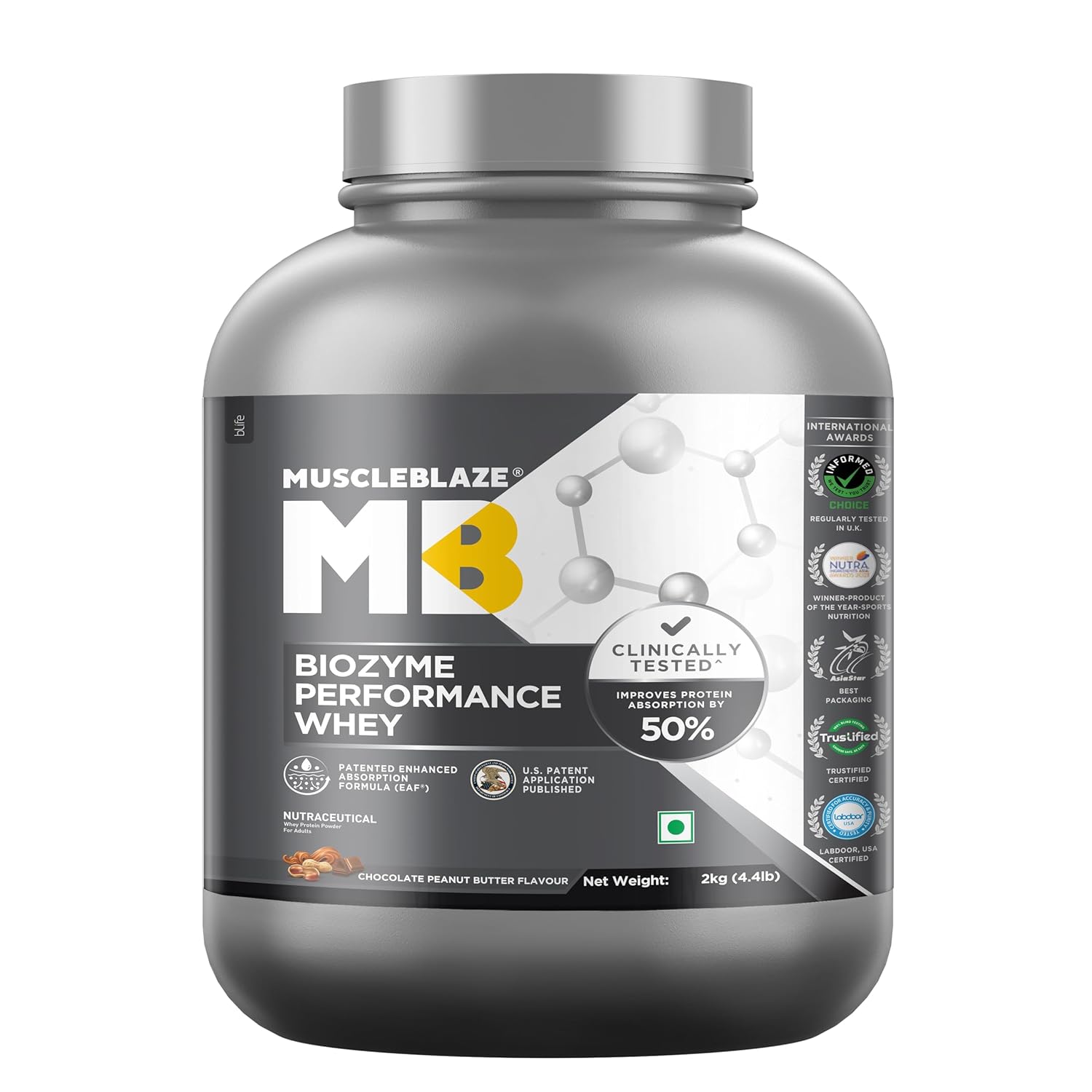
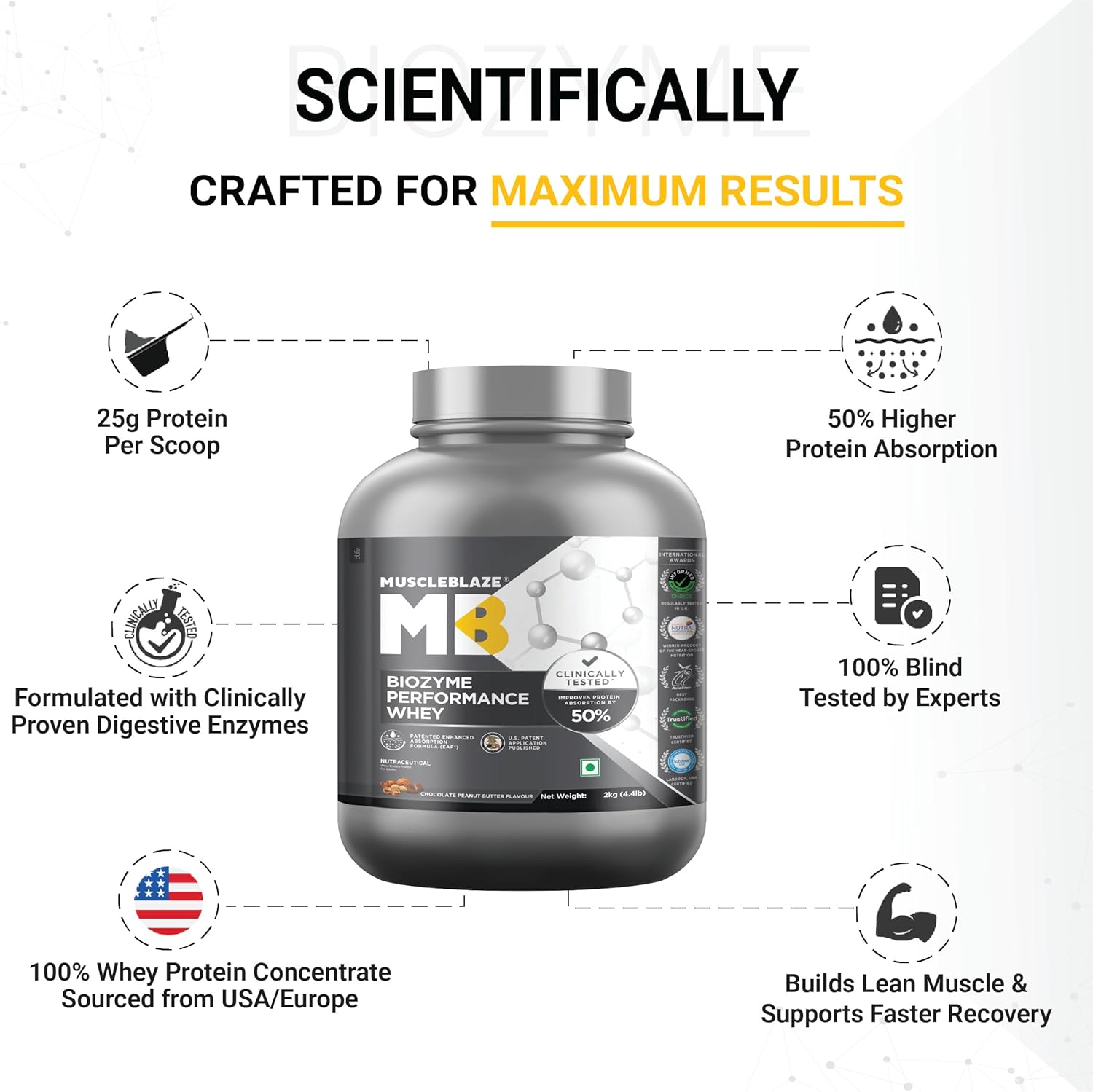

Best MuscleBlaze Whey Protein
MuscleBlaze Biozyme Performance Whey Protein Powder, Chocolate Peanut Butter (2kg / 4.4lbs) | 25g Protein Per Scoop
Check Price on AmazonHigh Protein Diet Kidney Damage Myth Explained
You have likely heard warnings that a high protein intake destroys your kidneys. Let's clarify the scientific reality for lifters.
In perfectly healthy individuals with zero pre-existing medical conditions, studies show that high protein intakes do not cause kidney damage. Your kidneys adapt by increasing their filtration rate to process the extra nitrogen waste.
However, if an individual has underlying, pre-existing kidney disease, an ultra-high protein diet accelerates damage because the organs are already struggling to filter metabolic waste.
How to Balance Your Daily Nutrient Target Correctly
Instead of overeating protein and wasting hard-earned money on extra supplements, balance your plates with the right ratio of complex carbs and healthy fats.
1. Use Carbs for Energy
Carbohydrates are protein-sparing. Eating enough clean carbs ensures your body uses protein exclusively for building muscle tissue instead of burning it off for daily fuel.
2. Track Every Single Gram
Stop guessing your portion sizes. Tracking your whole food meals and post-workout protein shakes keeps your total daily energy balance in check.
Log Your Daily Diet & Workouts: Keep clear records of your meals and exercise variables. Open up our CAL-TRACK system to accurately manage your custom food items, and use the WORKOUT-LOG to sync your gym performance directly with your nutrition.
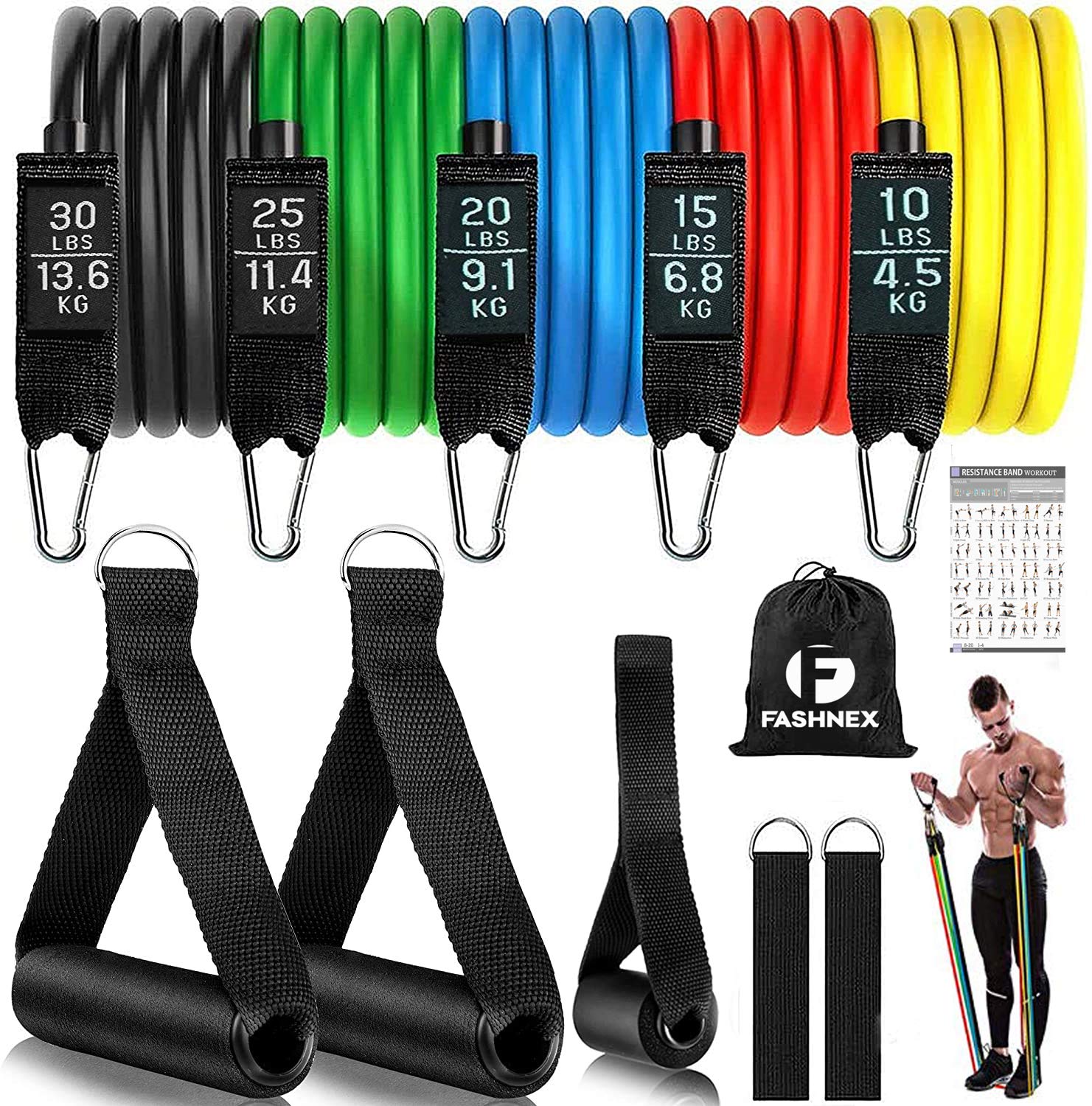


Best Resistance Band For Home-Workout
Resistance Bands Set for Exercise, Stretching and Workout Toning Tube Kit with Foam Handles, Door Anchor
Check Price on AmazonFrequently Asked Questions Regarding Excess Protein
What does the body do with extra protein?
The body removes the nitrogen through your urine and uses the remaining parts of the amino acid for energy or converts it directly into fat if you are in a caloric surplus.
Can too much protein cause constipation?
Yes. If your high protein intake replaces fiber-rich foods like whole grains, vegetables, and fruits, your digestive tract slows down significantly.
How much protein can the body absorb in one single meal?
While your gut can absorb almost all the amino acids you eat, muscle protein synthesis typically caps out around 30 to 50 grams of high-quality protein per meal for muscle building purposes.
Need A Complete Roadmap? Avoid the confusion entirely. Instantly build a fully customized, professional meal structure suited to your exact lifestyle preferences with our CUSTOM DIET-PLAN-MAKER.
Comments
Post a Comment