

What Is BMI, Use In Muscle Gain, And Overall Fitness
Navigating the modern fitness landscape requires clear data. Millions of lifters rely heavily on scales to judge physical transformation metrics. However, standard scale weight never tells the complete biological story.
This brings us directly to the concept of Body Mass Index (BMI). It remains the most widely utilized health metric worldwide. Doctors, insurance groups, and health departments use it constantly to classify individual physiological states.
But does this simple index actually serve hard-training lifters? If you are actively packing on lean mass, standard tracking tools can easily misguide your efforts. Understanding how to adapt this tool determines your long-term athletic success.
What Is Body Mass Index and How Is It Calculated?
At its core, Body Mass Index is a mathematical formula designed to estimate total body fat using basic proportions. It offers a fast, inexpensive method to screen large populations for weight-related health risks.
The system was originally developed in the 19th century by a Belgian mathematician named Lambert Adolphe Quetelet. It does not measure body fat directly. Instead, it relies purely on a simple ratio of your weight relative to your total vertical height.
The Core Metric Formula:
Metric System: BMI = Weight (kg) / [Height (m) x Height (m)]
Imperial System: BMI = [Weight (lbs) / (Height (in) x Height (in))] x 703
This simple mathematical calculation outputs a two-digit number. That specific number places you into one of four standard universal zones established by global health organizations.
The Standard BMI Categories Breakdown
To analyze where you currently stand, health professionals compare your calculated score against fixed, standard parameters. These classifications help flag potential cardiovascular risks instantly.
| BMI Range Score | Official Classification | Health Risk Status |
|---|---|---|
| Below 18.5 | Underweight | Elevated Risk |
| 18.5 to 24.9 | Normal / Healthy Weight | Optimal Minimal Risk |
| 25.0 to 29.9 | Overweight Range | Moderate Risk |
| 30.0 or Higher | Obese Classification | High Clinical Risk |
For sedentary, average individuals, this table aligns remarkably well with internal body fat accumulations. It provides a decent, rapid look at baseline systemic health markers across massive demographics.
Limitations of BMI for Fitness Tracking
The primary flaw of this mathematical tool stems from one fatal biological oversight. BMI cannot distinguish between adipose fat tissue and lean mass muscle tissue.
The formula treats every single pound of scale weight exactly the same. Whether that pound consists of dense skeletal muscle or visceral body fat, the equation processes it identically. This creates massive data distortion for athletes.
The Muscle Density Variable
- Muscle tissue is roughly 18% denser than fat tissue by volume.
- Muscular individuals carry significant weight in compact physical frames.
- High-muscle lifters naturally score exceptionally high on standard scale weights.
Because of this specific density variable, a dedicated natural bodybuilder can easily register as clinically "overweight" or "obese" on a standard index chart, despite maintaining visible, shredded six-pack abdominals.
Is BMI Accurate for Bodybuilders and Muscle Gain?
The straightforward answer is a definitive no. For individuals pursuing serious muscle development, standard BMI metrics lose immediate accuracy and practical utility.
Consider a lifter who stands 5 feet 9 inches tall and weighs 195 pounds of solid lean mass through years of progressive lifting. Their calculated score lands at approximately 28.8, classifying them firmly as overweight.
In reality, their actual body fat percentage might reside at a super-lean 11%. There is zero excess pathogenic fat threatening their cardiovascular system. Their weight is entirely structural, active, and metabolically demanding muscle engine.
The Core Paradox: The index penalizes physical development. The more healthy skeletal muscle tissue you pack onto your frame, the more the index flags you as unhealthy.
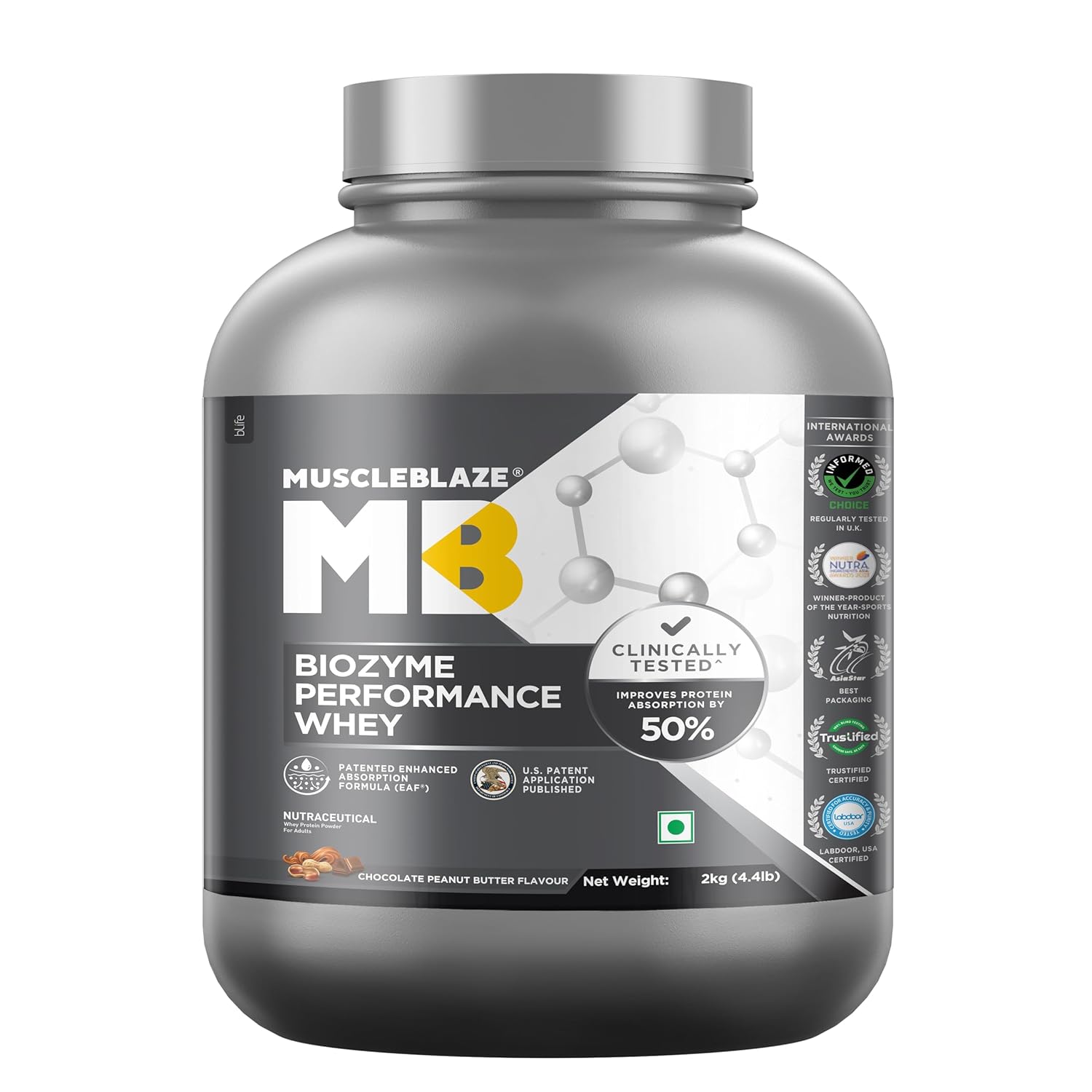
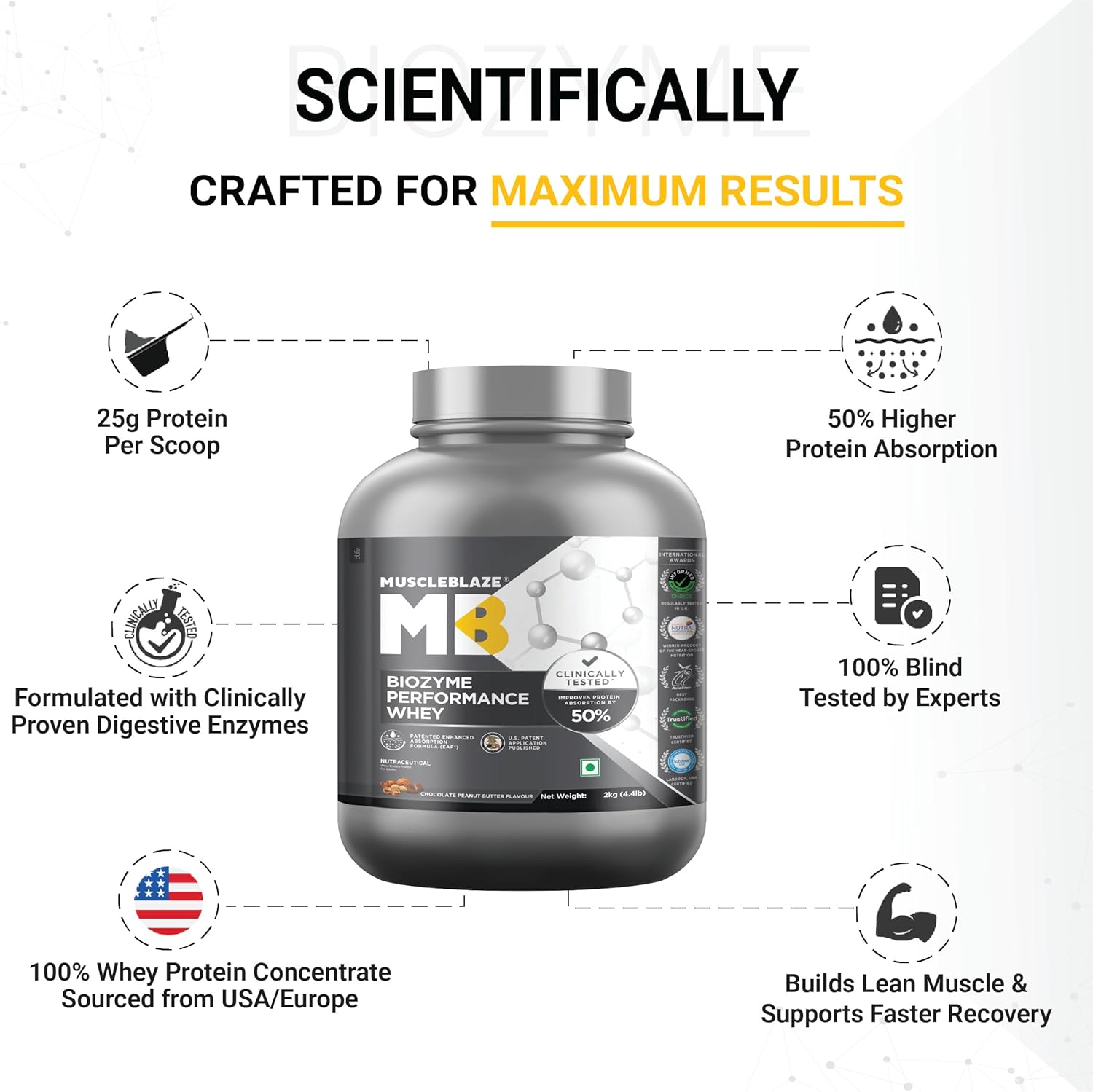

Best MuscleBlaze Whey Protein
MuscleBlaze Biozyme Performance Whey Protein Powder, Chocolate Peanut Butter (2kg / 4.4lbs) | 25g Protein Per Scoop
Check Price on AmazonHealthy Body Mass Index for Muscle Building
While the standard chart fails to accurately diagnose fatness in athletes, you can still establish an adapted healthy body mass index for muscle building phases.
When executing a controlled clean bulking cycle, monitoring your upward score trajectory helps ensure you aren't gaining weight too fast. A slow, steady upward shift indicates successful muscle synthesis.
Safe Bulking Target Parameters
A natural lifter actively pursuing lean mass growth should ideally aim to move their weight within controlled margins. Dramatic spikes always signal excessive fat storage.
Maintaining an adapted athletic score between 23.0 and 27.5 is typical for seasoned natural lifters. This range allows ample room for carrying extra power-generating skeletal muscle without placing undue load on skeletal joints.
BMI vs Body Fat Percentage for Athletes
To optimize performance training, athletes must shift away from standard total weight metrics and master the dynamics of BMI vs body fat percentage for athletes.
Your body composition represents the true metric of physical capability. Tracking your actual lean mass ratio versus fat mass accumulation yields highly actionable coaching data.
| Tracking Metric | What It Quantifies | Athletic Utility Value |
|---|---|---|
| Body Mass Index | Total gross weight relative to height | Low (Misclassifies lean muscular tissue) |
| Body Fat % | Pure ratio of fat mass to total mass | Critical (Dictates real metabolic efficiency) |
| Waist Circumference | Abdominal visceral fat storage levels | High (Tracks internal organ stress markers) |
While a bodybuilder's index remains high, keeping their actual body fat percentage between 10% and 15% for men (or 18% to 23% for women) ensures peak hormonal performance and clean health markers.
How to Use BMI for Overall Fitness Tracking
Even with distinct limitations, learning how to use bmi for overall fitness tracking can provide foundational baselines if utilized with proper nuance.
For absolute fitness beginners who currently carry a high percentage of body fat, the index serves as a dependable tool. In the initial phases of a weight-loss journey, your dropping score correlates directly with fat reduction.
Actionable Guidelines for General Fitness Trainees
- Establish Your Starting Baseline: Calculate your initial score to gauge overall demographic risk positions.
- Cross-Reference with Waist Metrics: If your score is high, measure your waistline. A waist over 40 inches for men indicates authentic visceral fat issues, not muscle.
- Monitor Global Trends: Use it alongside skinfold calipers to confirm that weight changes stem from targeted tissue manipulation.
High-Volume Search Queries Answered Inline
What is body mass index and how is it calculated simply?
It is an indirect system used to evaluate body mass distribution. You calculate it easily by dividing your total weight in kilograms by your exact height in meters squared. It serves as a rapid demographic screening tool.
Can you have a high BMI and still be completely healthy?
Yes. If your high score is driven entirely by highly developed skeletal muscle tissue gained through consistent resistance training, your internal health markers (blood pressure, lipid profiles, insulin sensitivity) can remain thoroughly optimal.
Why do doctors still use BMI if it fails for lifters?
Doctors use it because it is incredibly fast, completely non-invasive, and cost-free. For more than 80% of the general sedentary population who do not lift weights, it remains a highly accurate statistical indicator of lifestyle-related disease risks.
How does gaining muscle affect my long-term BMI trends?
Gaining muscle pushes your total scale weight upward. This cause-and-effect relationship forces your score into higher brackets. Over time, you may cross from the normal range directly into the overweight classification while getting leaner.
Strategic Summary: Designing Your Tracking Protocol
Do not let a static mathematical index dictate your psychological state or fitness motivation. True fitness is built on real performance progression, localized structural measurements, and precise metabolic tracking management.
Use the index exclusively as a broad background reference point. Pair it tightly with targeted nutrition tracking tools and workout progress indicators to ensure every single pound you add to your frame consists of elite, fat-burning skeletal muscle.
© 2026 rahullifters.com By Rahul Jha– Workout Guides, Nutrition Tips & CAL-TRACK Calorie Tool


Best Wellcore Creatine For Muscle-Gaining
Wellcore Pure Micronised Creatine Powder (33 Servings, Tropical Tango) For Enhanced Muscle Strength
Check Price on Amazon
Best Wellcore Creatine For Muscle-Gaining
Wellcore Pure Micronised Creatine Powder (33 Servings, Tropical Tango) For Enhanced Muscle Strength
Check Price on Amazon
Comments
Post a Comment