
.png) HOME
HOME DIET PLAN
 CALORIE-COUNTER
 WORKOUT-LOG
Should I Workout Today If I Haven't Get Enough Sleep Last Night?

Every lifter, fitness enthusiast, and athlete faces this dilemma. You wake up, your alarm goes off, but your eyes feel heavy. You check your sleep tracker or calculate the hours in your head: four hours, five hours, or maybe a night of broken, low-quality rest. Your training schedule says it is time to hit the gym, but your body is screaming for the snooze button.
The question is critical: Should you skip your workout when sleep deprived, or should you push through the fatigue? Training on empty can sometimes build mental toughness, but it can also ruin your recovery, crush your muscle-building goals, and increase your risk of sudden injury.
The Relationship Between Sleep, Muscle Growth, and Exercise Performance
To make the right choice today, you must understand what happens inside your body when sleep is compromised. Sleep is not passive downtime; it is the active window where your body repairs muscle tissue, balances key hormones, and recharges your central nervous system (CNS).
1. Central Nervous System (CNS) Fatigue

Lifting weights is not just a muscular task; it is a neurological system demand. Your CNS triggers motor units to contract your muscles during heavy sets of squats, bench presses, or deadlifts. When you lack sleep, your reaction times slow down, your focus drops, and your coordination suffers. Pushing a heavy barbell when your CNS is drained leads to poor lifting form and reduced strength output.
2. Hormonal Crises: Testosterone vs. Cortisol
Sleep loss alters your chemical profile instantly. Deep sleep is when your body releases the highest surge of Growth Hormone (GH) and maintains optimal testosterone levels. Skipping sleep spikes cortisol, the primary stress hormone. High cortisol breaks down muscle tissues for energy and inhibits muscle protein synthesis. You face a highly catabolic internal state.
Track Your Daily Energy Burn and Progress
When you are short on sleep, tracking your training performance and energy output becomes mandatory to avoid overtraining. Use our advanced tracker to stay on top of your game:
Open Free WORKOUT-LOGEvaluating Your Sleep Deprivation Severity
Not all bad nights of sleep are identical. To decide whether to train or rest, you need to categorize your current fatigue state accurately. Use this breakdown to analyze your situation:
The Acute Sleep Shortage (4 to 6 Hours)
You missed a couple of hours due to a late night study session, work project, or binge-watching. Your base energy is slightly low, but you do not feel completely exhausted. In this zone, a modified or light workout is usually completely fine and can actually help wake your system up.
The Severe Sleep Deprivation (Under 4 Hours)
You pulled a near all-nighter or suffered from severe insomnia. Your eyes are bloodshot, your coordination is visibly off, and you feel physical weakness while walking. In this scenario, lifting heavy weights is dangerous and unproductive.
The Chronic Sleep Debt (Multiple Bad Nights)
You got six hours last night, but you also got five hours the night before, and four hours before that. Chronic sleep debt accumulates over weeks. This state drains your immune system, crushes your metabolic rate, and makes your body prone to sudden tissue strains or tears.
The Risks of Heavy Lifting on Low Sleep
- Form Breakdown and Injury: Lack of focus makes it hard to maintain core stability, leading to lower back injuries during compound lifts.
- Impaired Muscle Recovery: Your body lacks the deep sleep cycles required to repair the micro-tears created by lifting, meaning you won't grow efficiently from that session.
- Weakened Immune Response: Training hard while sleep-deprived suppresses your immune system, making you highly susceptible to catching colds or viruses.
- Elevated Injury Rates: Studies consistently show athletes getting less than 8 hours of sleep have significantly higher rates of soft tissue injuries.
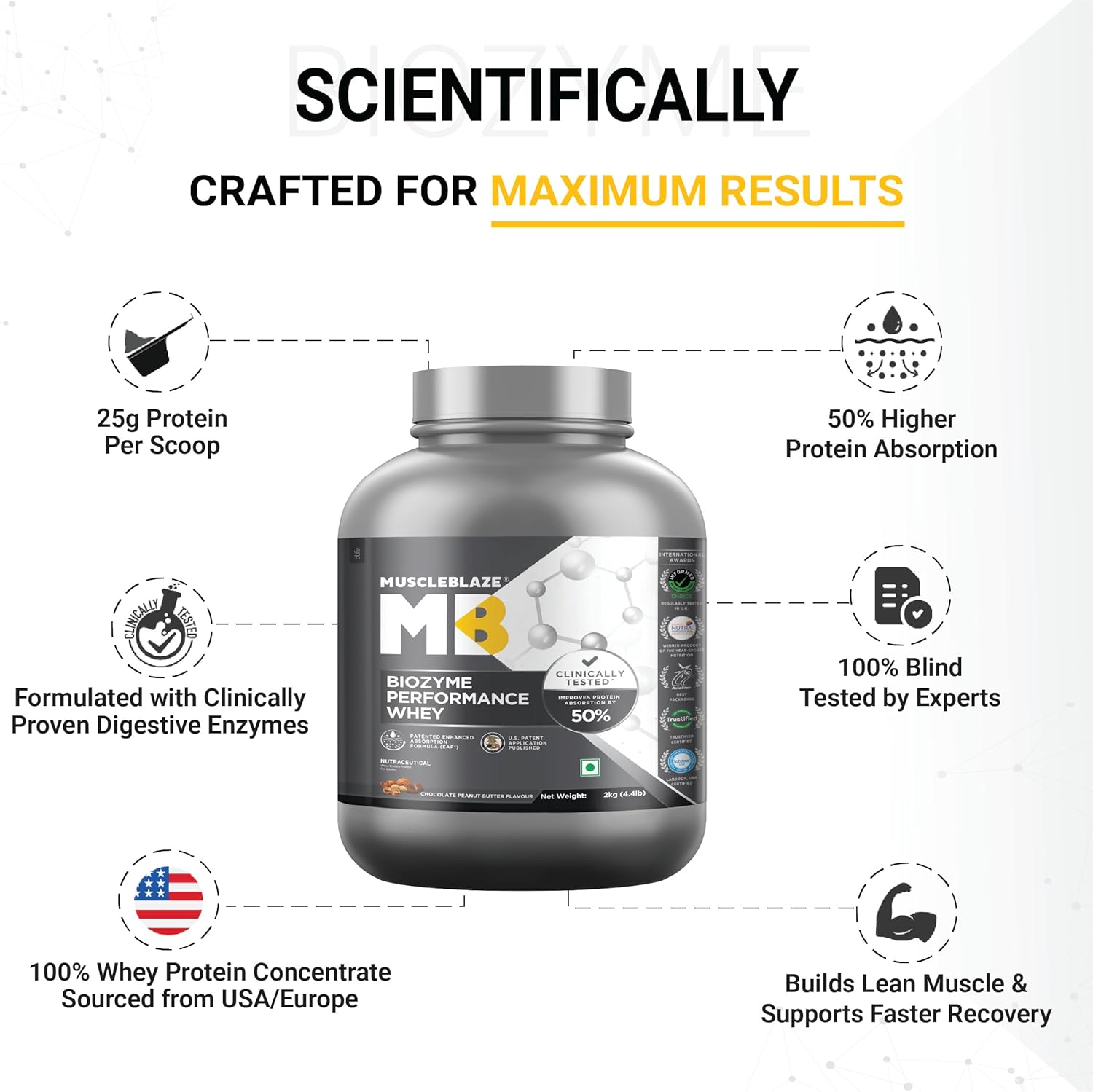

Best MuscleBlaze Whey Protein
MuscleBlaze Biozyme Performance Whey Protein Powder, Chocolate Peanut Butter (2kg / 4.4lbs) | 25g Protein Per Scoop
Check Price on Amazon| Sleep Status | Energy Level | Recommended Action | Training Intensity |
|---|---|---|---|
| 7-8 Hours (Optimal) | High / Focused | Train Normally | 100% (Go Heavy) |
| 5-6 Hours (Mild Loss) | Moderate / Yawning | Modify Workout | 70-80% (Drop Max Weights) |
| Under 4 Hours (Severe) | Low / Exhausted | Active Rest / Sleep | 0% (Skip Gym) |
| Chronic Debt (Multiple Days) | Drained / Weak | Deload or Full Rest | 30-50% (Light Movement) |
A Quick Self-Assessment Quiz Before Moving Your Body
Ask yourself these four specific questions to confirm your choice immediately:
- Are you dizzy, lightheaded, or uncoordinated when walking?
- Did you eat enough nutritious food to compensate for the fatigue?
- Is this the first bad night of sleep this week, or is this a daily issue?
- Can you focus your eyes and mind clearly on a specific spot for 20 seconds?
If you feel dizzy or find this is a chronic issue, avoid the heavy weights today. If it is an isolated event and your focus is intact, you can proceed with extreme caution.
Calorie and Macro Optimization After Poor Sleep
When sleep is poor, your appetite hormones (ghrelin and leptin) fluctuate, causing severe sugar cravings. Keep your nutrition completely precise using our free counter:
Open CAL-TRACK CounterHow to Modify Your Workout If You Decide to Train
If you choose to complete your workout on limited sleep, you cannot follow your regular high-intensity protocol. You must make strategic changes to preserve your physical health and structural integrity.
1. Drop the Maximum Weight Load
Do not attempt any 1-Rep Max (1RM) attempts or heavy triples. Keep your working weights around 60% to 75% of your maximum capability. Focus purely on high-quality muscle contractions, controlled negatives, and solid form instead of chasing raw weight plates.
2. Swap Compound Barbells for Machines
Free-weight movements like the barbell deadlift, overhead press, and squat demand immense core stabilization and spatial awareness. If your mind is sluggish, swap these out for high-stability machines like the leg press, Smith machine, or chest press machine. Machines guide the path of motion safely, drastically reducing your injury risk when focus lapses.
3. Cut Total Volume and Set Count
Reduce your overall workout length. If your normal routine consists of 24 total sets, cut it down to 12 to 15 high-quality sets. Get in, stimulate the muscle tissues briefly, pump blood into the cells, and get out to rest. Avoid working completely to absolute failure.
4. Extend Your Warm-Up Window
Your joints and nervous system take longer to lubricate and activate when you are sleep-deprived. Double your general and dynamic warm-up duration. Spend extra time using light bands, bodyweight movements, and mobility exercises to alert your nervous system before adding external loads.


Best Wellcore Creatine For Muscle-Gaining
Wellcore Pure Micronised Creatine Powder (33 Servings, Tropical Tango) For Enhanced Muscle Strength
Check Price on AmazonWhen You Absolutely Must Skip the Gym
There are times when forcing a workout is an absolute mistake. Do not step into the weight room if you experience the following indicators:
- You feel physical tremors or shaky hands before picking up a weight.
- You are operating on less than 4 hours of broken sleep.
- You are driving to the gym and experiencing brain fog or zoning out.
- You are dealing with physical signs of sickness, like a scratchy throat or elevated resting heart rate.
Build Your Custom Emergency Low-Energy Routine
Need a customized, lower-volume plan for days when your recovery is low? Generate an ideal fitness strategy based on your current physical constraints:
Create Custom Diet & Training StrategyHow Sleep Loss Alters Your Caloric Needs and Metabolism
Sleep loss directly compromises your insulin sensitivity. When you operate on minimal sleep, your body struggles to process carbohydrates efficiently, making it more likely to store excess calories as fat. Your metabolic rate drops slightly due to decreased spontaneous activity (NEAT).
Furthermore, sleep deprivation spikes your hunger for fast-acting carbs. Your brain looks for an immediate energy fix because it didn't get it from rest. Be highly aware of this emotional trigger; do not let a bad night of rest destroy your daily calorie deficits or clean mass-gaining phases.
| Fitness Metric | Impact of Sleep Deprivation | Immediate Fix / Action |
|---|---|---|
| Insulin Sensitivity | Decreased (Harder to process carbs) | Focus on lean protein and fibrous veg |
| Hunger Hormones | Ghrelin spikes (High cravings) | Drink plenty of water; track food closely |
| Muscle Recovery | Significantly halted protein synthesis | Keep protein intake high; sleep early next night |
| Strength Output | Reduced nervous system drive | Use machines instead of free barbell lifts |
The Pre-Workout Stimulant Trap
When tired, the natural instinct is to consume double scoops of pre-workout powders, energy drinks, or strong black coffee. While caffeine blocks adenosine receptors to mask drowsiness temporarily, it does not cure physical fatigue.
Check Your Vitals and Body Composition Metrics
If you consistently find yourself debating whether you are too tired to exercise, your overall body recovery metrics might be failing. Monitoring your structural body indicators ensures you stay within safe parameters.
Check Your Vital Fitness Trackers
Ensure your physical mass distribution is correct and monitor your health thresholds regularly using our dedicated fitness evaluation tools:
Check Your Body BMI StatusCalculate Accurate Body Fat Percentage
Analyze Your Daily Intakes Profile
Frequently Asked Questions Regarding Sleep and Gym Sessions
Will working out wake me up if I am tired?
Yes, a light to moderate workout releases endorphins and adrenaline, which raises your body temperature and heart rate, making you feel more awake temporarily. However, this does not replace the structural recovery benefits of sleep.
Can I build muscle if I workout on 5 hours of sleep?
While you can still stimulate muscle fibers, your growth will be significantly slower compared to when you sleep 7 to 8 hours. Muscle growth requires both training stimulus and adequate rest to synthesize new tissues.
Is it better to sleep or workout in the morning?
If you have had less than 5 hours of sleep, choosing an extra hour of sleep over an early morning workout is almost always more beneficial for your long-term muscle gains and overall health status.
The Final Verdict: To Train or To Rest?
Listen intently to your body. If your sleep loss is an isolated event and you feel mentally sharp enough to focus, head to the gym but scale down your intensity. Utilize machines, reduce your overall volume, and emphasize strict form.
If you are chronically exhausted, dealing with physical weakness, or operating on less than 4 hours of rest, skip the gym without feeling guilty. Growth happens during recovery, not just under the iron. Rest up today, eat nutritious meals, and crush your training tomorrow with a fully charged battery.


Best Peanut Butter 100% Peanuts Only
Pintola All Natural Peanut Butter Crunchy 1kg | Smooth, Unsweetened | 30g Protein | Gluten & Cholesterol Free, Vegan Peanut Butter, Nut Butter, High in Protein Spread, 100% Pure Roasted peanuts butter
Check Price on Amazon
Comments
Post a Comment