

How Much Gap Should I Take Between Workout And Post-workout Meal?

Timing your post-workout nutrition correctly is one of the most debated topics in fitness history. For decades, bodybuilders asserted that if you didn't chug a protein shake within thirty seconds of dropping your last dumbbell, your hard-earned muscle gains would completely vanish. This phenomenon was widely known as the absolute "anabolic window."
Modern sports nutrition science presents a more practical reality. The time gap between your workout and your post-workout meal depends directly on what you ate before hitting the weights. Optimizing this window properly accelerates muscle tissue recovery, maximizes protein synthesis, and replenishes glycogen reserves rapidly without causing digestive distress.
The Biological Goal of Post-Workout Nutrition
When you lift weights or perform high-intensity training, your body experiences two main internal changes: it burns through stored carbohydrates (muscle glycogen) for energy, and it creates micro-tears in your muscle fibers. Your post-workout meal serves to reverse this breakdown process.
1. Triggering Muscle Protein Synthesis (MPS)

Lifting weights increases your body's muscle protein breakdown rates. To shift your body into a positive net protein balance, you must introduce fast-acting amino acids from a clean protein source. This triggers muscle building and cellular repair processes.
2. Glycogen Resynthesis

Your muscles rely heavily on glycogen to power heavy contractions. Post-workout carbohydrates spike insulin levels, opening up muscle cell walls to pull in glucose quickly, restocking your empty fuel tanks for your upcoming training sessions.
Log and Monitor Your Post-Workout Recovery Performance
Ensure your training blocks are aligned with your physical recovery phases. Log sets, weights, and exertion levels seamlessly using our tracking tool:
Open Free WORKOUT-LOGThe Real Truth Behind the "Anabolic Window"
The standard concept of a rigid 30-minute anabolic window is largely a myth for individuals who consume regular meals. Your body's sensitivity to nutrients is highly elevated for up to 24 to 48 hours following a intense training session.
However, the exact gap you should maintain between your workout and your meal depends heavily on your pre-workout meal status. If you train completely fasted in the morning, your muscle breakdown rate is highly elevated, making a prompt post-workout meal within 45 minutes mandatory. If you consumed a balanced meal 1 to 2 hours before your workout, that food is still digesting, giving you a wider gap window of up to 2 hours post-workout.
Ideal Time Gaps Based on Training Scenarios
| Pre-Workout Status | Ideal Post-Workout Meal Gap | Nutrient Priority Level | Recommended Meal Type |
|---|---|---|---|
| Fasted Training (Empty Stomach) | 0 - 45 Minutes | Extremely Critical | Fast Whey Protein + Fast Carbs |
| Small Snack (30-60 mins before) | 30 - 65 Minutes | High Priority | Solid Protein + Moderate Carbs |
| Full Meal (1-2 hours before) | 1 - 2 Hours | Moderate Priority | Whole Food Balanced Meal |
| Heavy Meal (3+ hours before) | 45 - 60 Minutes | High Priority | Quick Absorbing Shake or Meal |
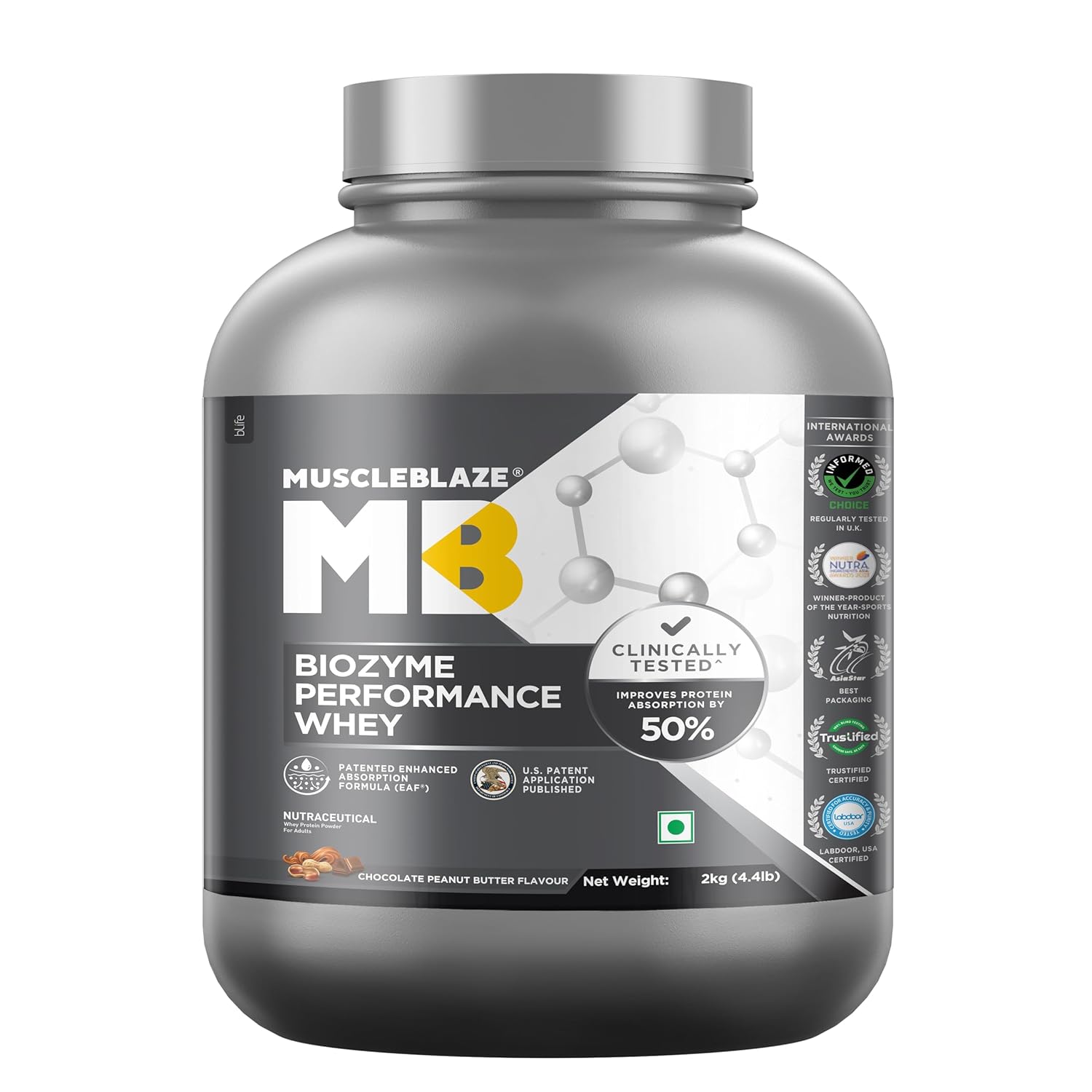
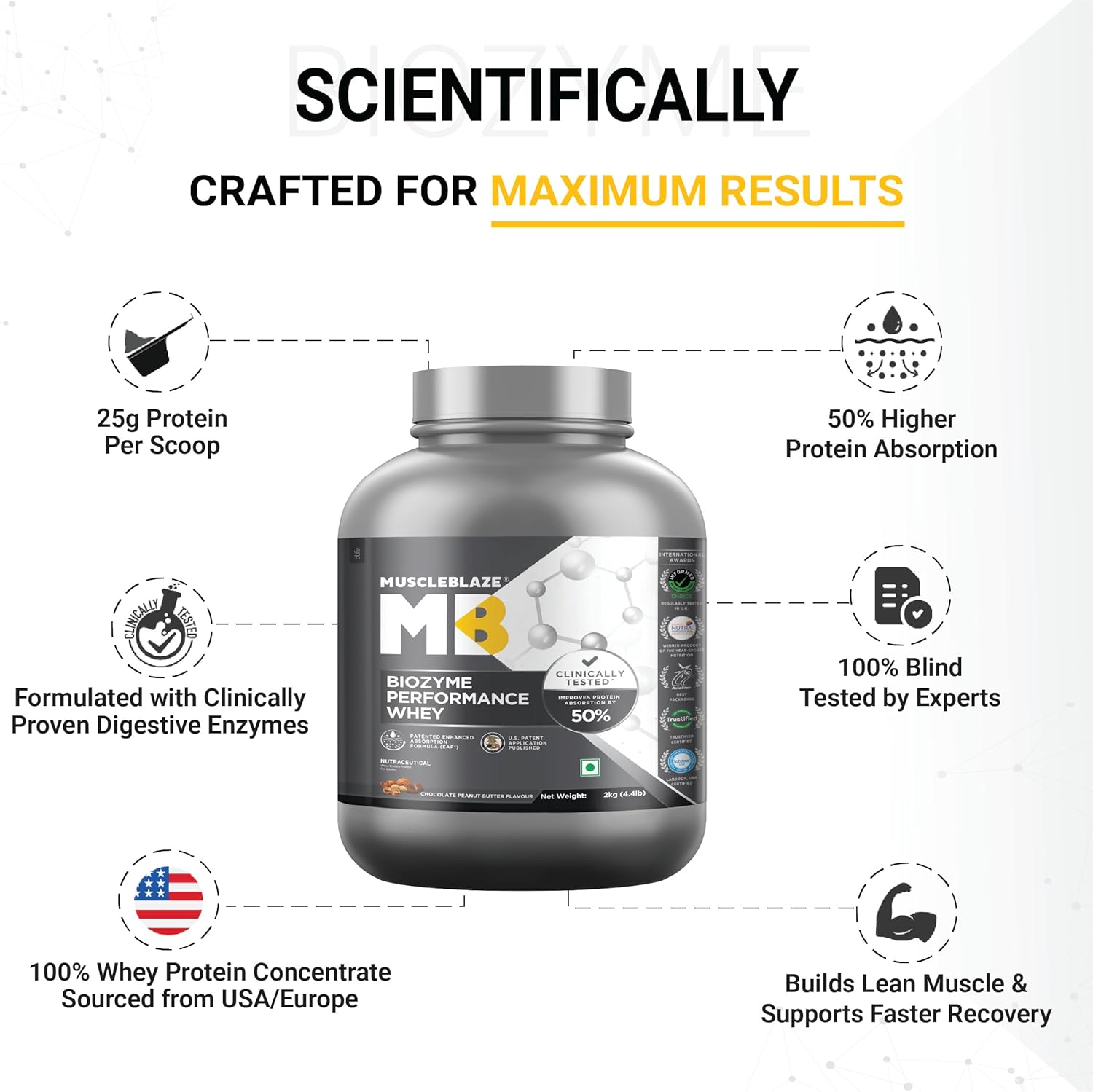

Best MuscleBlaze Whey Protein
MuscleBlaze Biozyme Performance Whey Protein Powder, Chocolate Peanut Butter (2kg / 4.4lbs) | 25g Protein Per Scoop
Check Price on AmazonWhy Waiting Too Long Can Harm Your Gains
While the window is wider than once believed, leaving a massive gap of 3 hours or longer post-workout is counterproductive for your body composition targets:
- Extended Catabolic State: Your body will continue breaking down existing structural muscle proteins to find required amino acids.
- Delayed Muscle Soreness: Prolonged nutrient deprivation slows down tissue recovery, increasing the severity of DOMS (Delayed Onset Muscle Soreness).
- Sluggish Glycogen Recharging: The rate of glycogen storage is highest during the first two hours post-exercise; delaying food compromises endurance recovery.
What Your Post-Workout Meal Should Consist Of
The composition of your post-workout plate is just as essential as the timing itself. To maximize outcomes, you must balance your macro intakes precisely.
High-Quality Fast-Digesting Protein
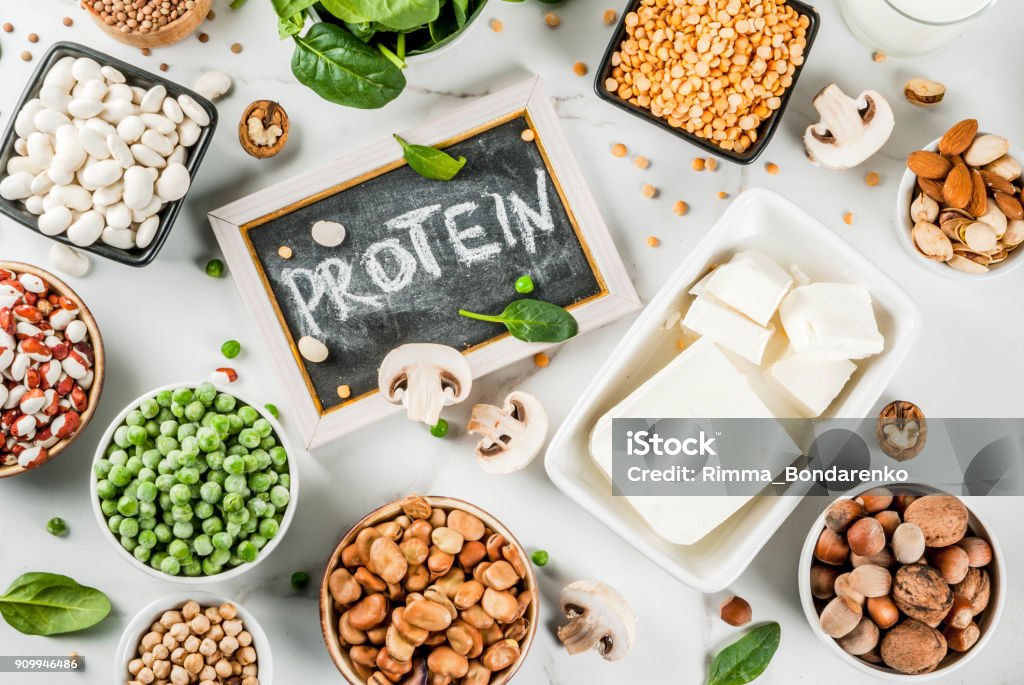
Aim for 20 to 40 grams of a high-leucine protein source. Leucine acts as the primary chemical switch to turn on muscle protein synthesis. Excellent options include whey protein isolate, lean chicken breast, egg whites, or ultra-filtered milk.


Best Peanut Butter 100% Peanuts Only
Pintola All Natural Peanut Butter Crunchy 1kg | Smooth, Unsweetened | 30g Protein | Gluten & Cholesterol Free, Vegan Peanut Butter, Nut Butter, High in Protein Spread, 100% Pure Roasted peanuts butter
Check Price on AmazonEasy-to-Digest Carbohydrates
Pair your protein with clean carbohydrates to trigger an insulin spike. Carbs route nutrients directly into damaged muscle fibers. Opt for cream of rice, white rice, ripe bananas, or white potatoes for efficient digestion.
Calculate Your Exact Post-Workout Macro Metrics
Ensure your recovery meals hit your exact target limits for carbohydrates, proteins, and fats. Track your custom items instantly:
Access CAL-TRACK CounterFAQs - Friquently
Is a whey protein shake required right after a workout?
No, whey protein is not mandatory, but it is highly convenient. Liquid nutrition digests faster than solid food, making it an excellent choices for individuals who lack an appetite immediately after strenuous activity or those who train completely fasted.
Can I wait 2 hours to eat if my goal is fat loss?
Yes, you can wait, but there is no metabolic advantage to delaying your meal for fat loss. Total daily calorie deficits control fat loss, but timely post-workout protein preserves lean muscle tissue mass while burning fat.
Should I avoid dietary fats in my post-workout meal?
It is best to keep dietary fats minimal in your immediate post-workout meal. Fats slow stomach emptying and delay the absorption of protein and carbohydrates into your bloodstream when speed is preferred.
Evaluate Your Overall Structural Progress
Keep a close eye on your body mass ratios and physical thresholds as you optimize your nutrient timing structures:
Build Free Custom Diet PlanCheck Body Fat Percentage
Check BMI Proportions
The Final Verdict
If you train on an empty stomach, consume a fast-digesting protein and carbohydrate source within 0 to 45 minutes of your training session. If you consumed a hearty pre-workout meal, you can comfortably wait 1 to 2 hours before sitting down for your post-workout meal. Focus on meeting your daily macro targets consistently, listen to your digestion limits, and keep nourishing your muscle recovery phases.
Comments
Post a Comment