

Carbohydrates And Body Fat Gaining: The Simple Science And Solution
Misinformation about weight gain is everywhere. You often hear that carbs are inherently evil or that eating them immediately builds fat layers. This detailed guide breaks down the biological connection between your carbohydrate consumption and body fat storage loops.
Understanding Carbohydrate Digestion Mechanics
When you consume carbohydrates, your digestive system breaks them down into simple sugar molecules, primarily glucose. This glucose enters your blood stream, causing a natural elevation in blood sugar levels. Your pancreas responds by releasing insulin, a master storage hormone.
Insulin acts like a key, unlocking your body cells to allow glucose to enter. Your body uses this glucose immediately for operational energy, keeping your brain, organs, and muscles functioning perfectly during daily movements.
Core Concept: Carbohydrates are your body's preferred fast-burning fuel source. They are not toxic, but managing their accumulation is crucial for fat regulation.
Your body has specific storage facilities for glucose called glycogen reserves. These reserves exist inside your liver and skeletal muscles. The simple science of body fat increasing begins when these temporary glycogen holding tanks become completely saturated.
An average person can store around 400 to 500 grams of glycogen. Muscle glycogen fuels your physical movements, while liver glycogen maintains stable blood sugar ranges. When you consume carbs past this capacity limit, the excess glucose undergoes a biological transition.
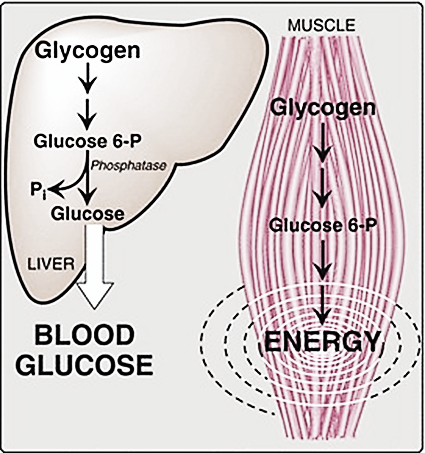 Glucose distribution pathways into liver and muscle glycogen cells.
De Novo Lipogenesis Explained Simply
When glycogen storage pools are full and energy expenditure is low, your liver initiates a chemical pathway called De Novo Lipogenesis (DNL). This process converts extra blood glucose into lipids, which are raw fat molecules.
These new fat molecules travel through your bloodstream and settle into your adipose tissue cells. This is how excessive carbohydrate loads convert directly into stubborn belly fat or systemic body fat accumulation over time.
The Role Of The Insulin Trigger In Fat Storage
High-glycemic simple carbohydrates cause rapid spikes in blood glucose levels. White bread, sugary beverages, pastries, and processed snacks dump glucose into your bloodstream almost instantly. This rapid surge demands an equally intense spike in insulin production.
High circulating levels of insulin lock down your fat cells. While insulin is elevated, your body cannot access stored body fat for fuel. It forces your system to rely solely on blood glucose, locking away your fat reserves and increasing your hunger cues simultaneously.
The High Insulin Trap Loop
- You consume highly processed, fast-digesting carbohydrates.
- Blood sugar surges rapidly above optimal functional parameters.
- Large insulin spikes remove glucose quickly, storing it or converting it to fat.
- Blood sugar crashes down, triggering urgent cravings for more carbohydrates.

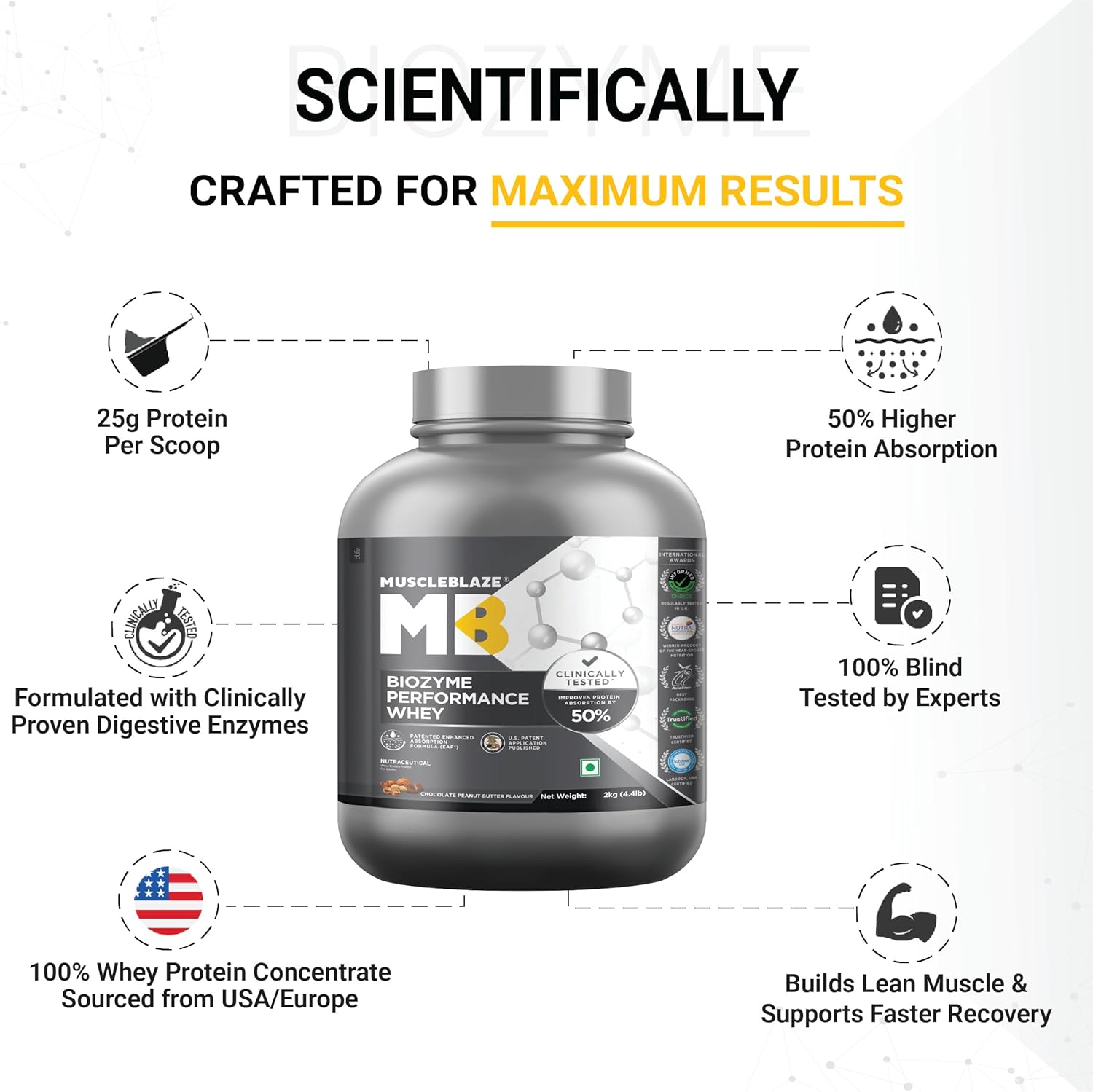

Best MuscleBlaze Whey Protein
MuscleBlaze Biozyme Performance Whey Protein Powder, Chocolate Peanut Butter (2kg / 4.4lbs) | 25g Protein Per Scoop
Check Price on AmazonHow Excessive Calories Multiplying Storage Capacity
Carbohydrates alone do not cause fat gain unless you exist in a consistent caloric surplus. When you eat more energy than your metabolic rate burns, your body enters a positive energy balance state. Carbohydrates maximize this fat storage state by filling glycogen tanks and keeping insulin elevated.
If you consume high fat along with high carbohydrates, the body burns the carbs for immediate fuel and stores almost 100% of the consumed dietary fat directly into adipose tissues. This combination makes processed junk foods highly problematic for body composition goals.
| Carbohydrate Type | Digestion Speed | Insulin Response | Fat Storage Risk |
|---|---|---|---|
| Simple/Processed (Sweets, Soda) | Very Fast | High Surge | Elevated Risk State |
| Refined Starches (White Rice, Flour) | Fast | Moderate-High | Medium-High Risk |
| Complex Fibrous (Oats, Vegetables) | Slow | Low/Stable | Very Minimal Risk |
Practical Dieting Solutions To Balance Carbohydrate Loading
You do not need to cut carbohydrates out completely to prevent fat accumulation. The practical solution lies in managing carbohydrate quality, meal timing, and daily quantities based on your current physical output.
Focus your nutritional profile around complex carbohydrates like sweet potatoes, oats, brown rice, and fibrous green vegetables. The fiber content within these whole foods slows down digestion rates, providing steady glucose entry without wild insulin spikes.
Strategic Carbohydrate Timing Secrets
Consume your largest carbohydrate meals during times when your body is highly insulin sensitive. This occurs directly after intensive resistance training sessions or first thing in the morning when glycogen stores are naturally depleted from overnight fasting cycles.
Post-workout carbohydrates go toward rebuilding empty muscle glycogen stores rather than entering the De Novo Lipogenesis pathway. This ensures your food choices support muscle recovery instead of expanding your waistline structures.
The Critical Importance Of Training Logs
To prevent carbohydrates from turning into fat, you must create a biological demand for that glucose. Weight training and intense muscle contractions exhaust muscle glycogen pools rapidly. This creates a vacuum effect, preparing your muscles to safely absorb incoming carbohydrates.
Tracking your training density, sets, and reps ensures your physical workouts are intense enough to clear out stored sugars. If your performance increases over time, your tolerance for dietary carbohydrates expands dramatically.
How To Fix Metabolism Damage From Chronic Overeating
If you have struggled with high carbohydrate diets for years, you might experience mild insulin resistance. This means your muscle cells no longer respond efficiently to insulin signals, forcing the pancreas to secrete higher amounts to manage blood glucose levels.
You can reverse this state through a temporary strategic reduction in total carbohydrates, coupled with consistent strength training. This combination forces your body to exhaust circulating glucose and tap back into stored fat structures for daily operational energy needs.
Step-By-Step Metabolic Reset Checklist
- Determine your baseline calorie needs and maintain a small deficit.
- Swap refined sugars for vegetables and whole-grain alternatives.
- Incorporate 3 to 4 weekly strength training sessions to empty glycogen.
- Monitor your daily intake accurately to avoid accidental surpluses.


Best Wellcore Creatine For Muscle-Gaining
Wellcore Pure Micronised Creatine Powder (33 Servings, Tropical Tango) For Enhanced Muscle Strength
Check Price on AmazonSummary Of The Carbohydrate Fat Connection
Carbohydrates are not your enemy, but uncontrolled surpluses lead straight to fat accumulation. By eating clean complex carbs, timing your intake around hard training sessions, and monitoring your overall energy intake, you can harness the power of carbs for energy without gaining unwanted body fat layers.
© 2026 rahullifters.com By Rahul Jha– Workout Guides, Nutrition Tips & CAL-TRACK Calorie Tool
Comments
Post a Comment