

Top 10 Best Quality, HIGH-PROTEIN FOODS (Ranked By Bioavailability)

When it comes to building raw muscle tissue, hitting your daily protein target is only half the battle. The true secret lies in the quality of the protein you consume. You could be eating vast amounts of protein daily, but if your body cannot efficiently digest, absorb, and utilize those amino acids, your hard work in the gym will be heavily compromised.
To build a powerful, lean physique, you must understand a critical scientific metric: Bioavailability.
This comprehensive guide ranks the top 10 best quality, high-protein foods based on strict scientific bioavailability scores, ensuring every single gram you eat goes directly toward repairing and growing your muscle fibers.
What is Protein Bioavailability?
Protein bioavailability refers to the percentage of nitrogen from a protein source that is successfully absorbed and retained by the human body for growth, maintenance, and cellular repair.
The Scientific Frameworks
Nutrition scientists use several validated scoring systems to measure this efficiency:
Biological Value (BV): Measures how efficiently your body utilizes the protein absorbed from your dietary intake.
Protein Digestibility-Corrected Amino Acid Score (PDCAAS): Evaluates protein quality based on both the amino acid requirements of humans and their ability to digest it. The highest possible score is 1.0.
Digestible Indispensable Amino Acid Score (DIAAS): The modern gold standard, which measures amino acid digestibility specifically at the end of the small intestine (ileum) for absolute accuracy.
To maximize your results, your diet should prioritize foods with elite bioavailability scores. You can accurately log these premium foods and track your daily macronutrient breakdown using the
Complete vs. Incomplete Proteins
Before diving into the scientific rankings, it is essential to distinguish between complete and incomplete protein sources.
Complete Proteins: These sources contain all nine essential amino acids (EAAs) that your body cannot synthesize on its own. These must be obtained through your diet and are primarily found in animal products and select plant sources.
Incomplete Proteins: These sources lack one or more of the nine essential amino acids. Most plant-based proteins fall into this category, requiring strategic pairing to form a complete amino acid profile.
Comprehensive Protein Bioavailability Rankings
The following data table illustrates how different common foods compare across the major scientific grading systems:
| Food Source | Biological Value (BV) | PDCAAS Score | DIAAS Score Category | Primary Muscle Benefit |
| Whey Protein Isolate | 104 - 159 | 1.0 | Excellent (>1.15) | Rapid post-workout muscle protein synthesis |
| Whole Eggs | 100 | 1.0 | Excellent (>1.15) | Gold-standard whole food amino acid retention |
| Cow's Milk (Casein/Whey) | 91 | 1.0 | Excellent (>1.15) | Sustained anti-catabolic amino acid release |
| Wild Salmon / Fatty Fish | 83 | 1.0 | Excellent (>1.10) | Reduces joint inflammation via Omega-3s |
| Chicken / Turkey Breast | 79 | 1.0 | Excellent (>1.05) | High-purity protein with minimal fat content |
| Lean Beef / Red Meat | 80 | 1.0 | Excellent (>1.05) | Natural source of creatine and iron |
| Soya Chunks / Soy Protein | 74 | 1.0 | Good (0.90 - 1.00) | Highest density plant-based EAA profile |
| Paneer / Cottage Cheese | 77 | 1.0 | Excellent (>1.00) | Slow-digesting nighttime muscle recovery |
| Chickpeas / Lentils | 55 - 60 | 0.52 - 0.70 | Low to Medium | Rich in micronutrients and complex carbs |
| Peanuts / Tree Nuts | 45 | 0.50 | Low | Healthy fats paired with moderate protein |
Detailed Scientific Rankings: Top 10 High-Protein Foods
1. Whey Protein Isolate (BV: 104–159, PDCAAS: 1.0)
Whey protein isolate stands at the absolute pinnacle of human nutrition science. It is a byproduct of the cheese-making process that undergoes rigorous filtration to strip out almost all traces of lactose, fat, and carbohydrates.
The Scientific Advantage: Whey isolate boasts an unmatched concentration of Branched-Chain Amino Acids (BCAAs), particularly Leucine. Leucine acts as the primary chemical trigger to turn on the mTOR pathway, initializing muscle protein synthesis.
Digestion Rate: Extremely rapid. It passes through the stomach and enters the small intestine for immediate absorption within 30 to 45 minutes, making it the ultimate tool for immediate post-workout recovery.
2. Whole Eggs (BV: 100, PDCAAS: 1.0)
For decades, whole eggs have been recognized as the gold standard for whole-food protein quality. When scientists calculate the Biological Value of other foods, they use the whole egg as the baseline reference point of 100.
The Scientific Advantage: The egg white contains the pure protein (ovalbumin), while the yolk contains critical fat-soluble vitamins (A, D, E, K), healthy cholesterol, and essential fatty acids. This unique matrix significantly enhances the cellular utilization of the amino acids.
Whole vs. Whites: Research shows that consuming the whole egg triggers significantly greater muscle protein synthesis than consuming an equivalent amount of protein from egg whites alone.
3. Cow's Milk (BV: 91, PDCAAS: 1.0)
Liquid milk naturally contains a powerful dual-protein combination consisting of 80% Casein protein and 20% Whey protein.
The Scientific Advantage: This natural composition provides a dual-action release of amino acids. The whey portion causes a rapid spike in your blood amino acid pool, while the casein clots in the acidic environment of the stomach, releasing amino acids slowly over a 6 to 8-hour window.
Anabolic Power: The high micronutrient density, including calcium and vitamin D, supports bone mineral density and proper muscular contractions during heavy workouts.
4. Wild Salmon and Fatty Fish (BV: 83, PDCAAS: 1.0)
Fatty fish like salmon, tuna, and mackerel provide an exceptional source of highly bioavailable protein combined with premium structural lipids.
The Scientific Advantage: Beyond its complete essential amino acid profile, wild salmon is rich in Eicosapentaenoic Acid (EPA) and Docosahexaenoic Acid (DHA)—the highly active forms of Omega-3 fatty acids.
Hypertrophy Benefit: Omega-3 fatty acids incorporate themselves into the lipid bilayer of your muscle cells, increasing insulin sensitivity and enhancing the transport of amino acids directly into the muscle tissue while reducing systemic joint inflammation.
5. Chicken and Turkey Breast (BV: 79, PDCAAS: 1.0)
Poultry breast is the quintessential staple of bodybuilding and athletic conditioning for a vital reason: its incredible protein-to-calorie ratio.
The Scientific Advantage: Chicken breast consists almost entirely of pure, lean muscle tissue. A standard 100-gram serving delivers over 30 grams of protein with minimal intramuscular fat.
Micronutrient Profile: It provides rich concentrations of Vitamin B6 and Niacin (B3), which act as crucial co-enzymes in the metabolic pathways that convert dietary carbohydrates into usable cellular energy (ATP).
6. Lean Beef and Bison (BV: 80, PDCAAS: 1.0)
Lean red meat is an incredibly potent anabolic food source due to its unique combination of dense structural proteins and natural performance enhancers.
The Scientific Advantage: Beef contains highly bioavailable heme-iron, which is absorbed far more efficiently than the non-heme iron found in plant sources. Heme-iron is essential for manufacturing hemoglobin, the protein responsible for transporting oxygen to your working muscles during intense gym sessions.
Natural Performance Boosters: It is a dense dietary source of naturally occurring Creatine and Carnitine, which directly support muscular cellular hydration, explosive power, and fatty acid metabolism.
7. Soya Chunks and Soy Isolate (BV: 74, PDCAAS: 1.0)
Soya chunks stand out as an exceptional, highly cost-effective option, particularly for vegetarian and vegan athletes seeking to satisfy demanding protein targets.
The Scientific Advantage: Soy is one of the very few plant-based protein sources that achieves a perfect 1.0 score on the PDCAAS scale. Its essential amino acid profile is remarkably close to that of animal tissue.
Anabolic Application: Because soy has a slightly lower leucine content compared to whey or beef, you simply need to consume a slightly higher portion size to successfully cross the "leucine trigger" threshold required to maximize muscle building.
8. Paneer and Cottage Cheese (BV: 77, PDCAAS: 1.0)
Paneer and cottage cheese are concentrated dairy products made by curdling milk and draining the liquid whey, leaving behind dense blocks of pure casein protein.
The Scientific Advantage: Casein protein is highly anti-catabolic. It forms a gel-like substance in your digestive tract, resulting in a slow, steady trickle of amino acids into your bloodstream.
Nighttime Strategy: This slow-release mechanism makes paneer the absolute perfect food source to consume right before sleep. It provides your muscles with a steady stream of recovery materials across the night, neutralizing nocturnal muscle protein breakdown.
9. Chickpeas and Black Beans (BV: 55–60, PDCAAS: 0.52–0.70)
Legumes are a phenomenal foundation for any health-focused diet, delivering a rich blend of plant protein, complex carbohydrates, and soluble fiber.
The Scientific Advantage: Legumes are high in the essential amino acid Lysine, but they are typically low in Methionine. To unlock their full muscle-building potential, you must pair them with cereal grains (like brown rice or whole wheat), which are high in methionine, creating a complete protein profile.
Satiety and Gut Health: The massive fiber content slows down digestion, ensuring a stable, gradual release of glucose into the bloodstream, preventing energy crashes.
10. Raw Peanuts and Almonds (BV: 45, PDCAAS: 0.50)
Nuts and seeds serve as dense, calorie-dense options that provide structural fats alongside a moderate protein yield.
The Scientific Advantage: While nuts have lower overall protein bioavailability and are an incomplete protein source, they are rich in L-Arginine. Arginine is a precursor to nitric oxide, which dilates blood vessels and increases nutrient delivery to working muscles.
Caloric Support: They are highly valuable for hardgainers who struggle to eat enough total food, providing an easy way to boost total daily energy intake.
CHECK OUT - BEST WELLCORE CREATINE FOR MUSCLE-GAINING
Wellcore Pure Micronised Creatine Powder (33 Servings, Tropical Tango) For Enhanced Muscle Strength
Check Price on Amazon


Fueling Your Workouts Based on Science
Selecting high-bioavailability protein sources ensures your body has the high-quality building blocks it needs to repair muscle tissue. However, to actually force your body to use these materials for growth, you must provide a powerful physical stimulus in the gym.
Make sure you are tracking your training intensity, sets, reps, and progressive overload accurately by using the
Furthermore, if you want a complete, scientifically structured nutrition blueprint that maps out exactly how to integrate these top-tier foods into your daily meals based on your personal preferences, build your customized routine instantly using the
Key Strategies to Enhance Protein Digestion and Absorption
Even if you consume the highest quality foods on this list, your actual results depend entirely on your gut health and enzyme function. Use these proven strategies to maximize absorption:
1. Optimize Your Gut Microbiome
A healthy gut lining is covered in microvilli, which are tiny finger-like projections responsible for absorbing amino acids into your bloodstream. Incorporate fermented, probiotic-rich foods like plain curd or yogurt into your meals to maintain a healthy bacterial balance.
2. Cook Your Food Properly
Subjecting raw proteins to heat denatures their tightly coiled structural shapes. This uncoiling gives your body's natural digestive enzymes (like pepsin and trypsin) direct access to break the peptide bonds quickly, drastically improving whole-food digestability.
3. Space Your Protein Intake Consistently
Do not try to consume your entire day's protein requirement in a single sitting. Your small intestine contains a finite number of amino acid transporters. For optimal utilization, distribute your protein evenly across 3 to 5 meals spaced roughly 3 to 4 hours apart.
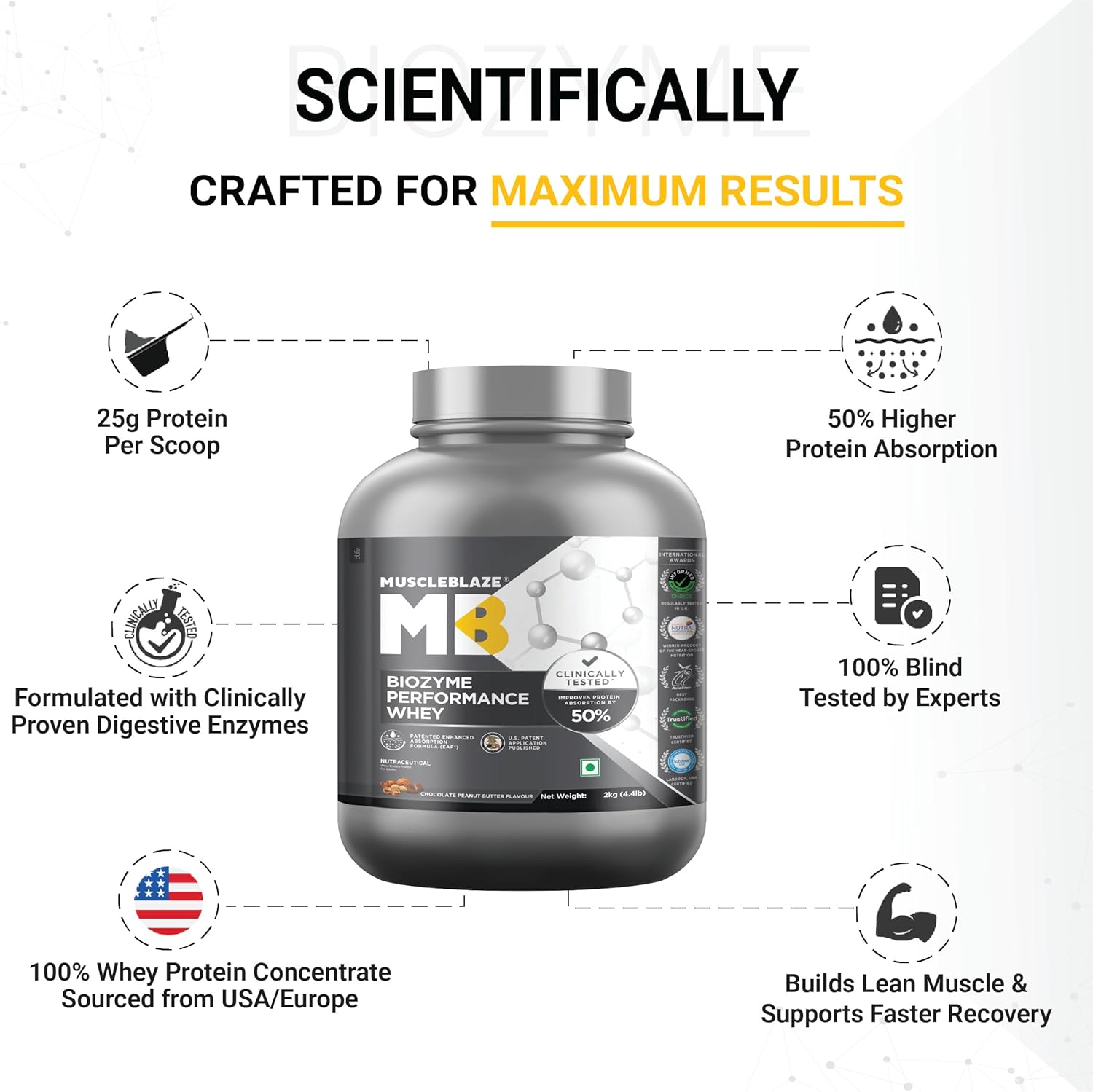
CHECK OUT - BEST MUSCLEBLAZE WHEY PROTEIN
MuscleBlaze Biozyme Performance Whey Protein Powder, Chocolate Peanut Butter (2kg / 4.4lbs) | 25g Protein Per Scoop
Check Price on Amazon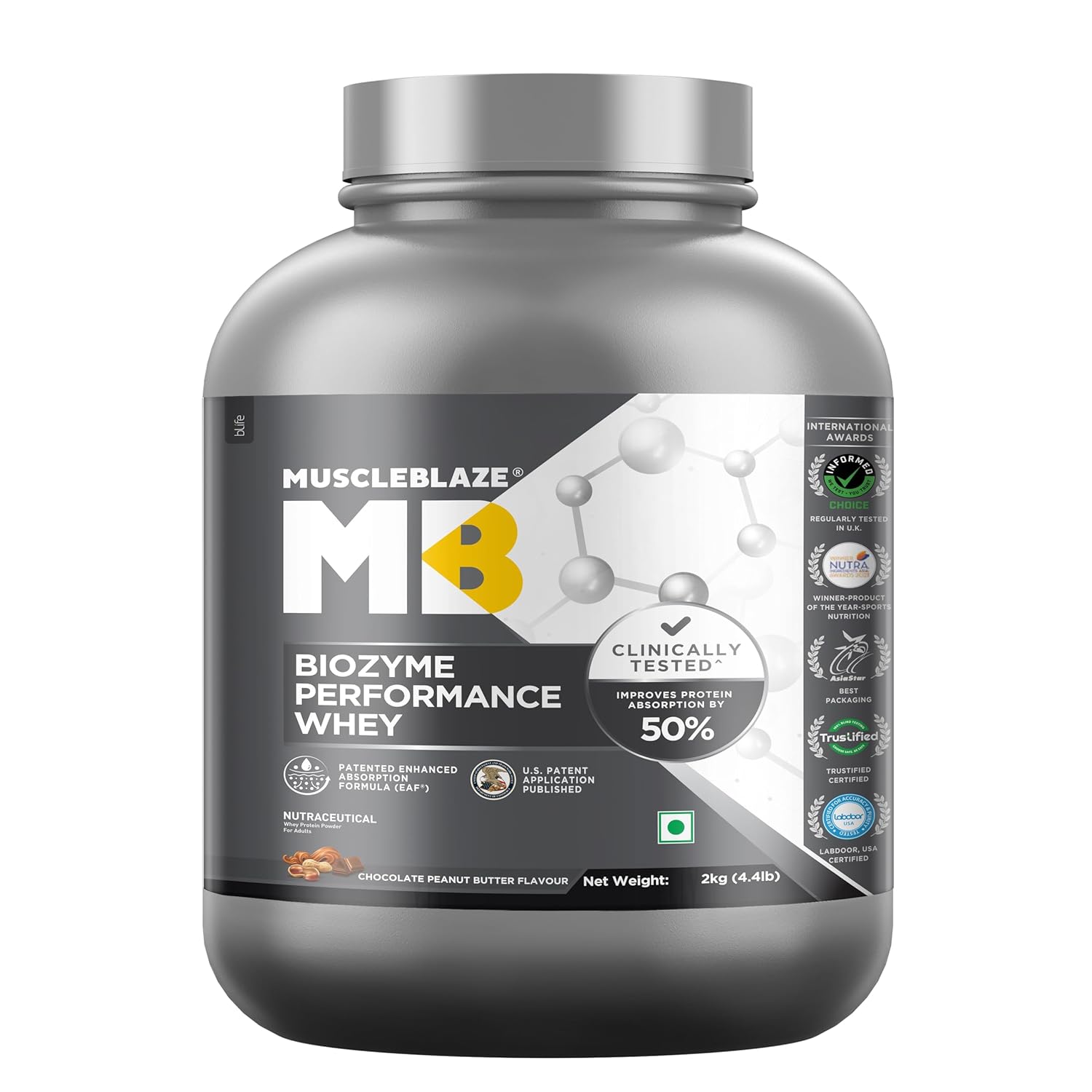

Frequently Asked Questions About Protein Quality
Is plant protein inferior to animal protein for building muscle?
Not inherently. While individual plant foods often have lower bioavailability scores and lack certain essential amino acids, you can easily overcome this limitation. By consuming a higher total volume of plant protein and combining different sources (such as rice and beans or soya chunks), you can stimulate muscle protein synthesis just as effectively as animal sources.
Does cooking take away or lower the protein content of food?
No. Cooking denatures the protein, which changes its physical structure, but it does not destroy the individual amino acids. Cooking actually makes the food safer to eat and significantly easier for your digestive system to break down and absorb.
Should I count the protein found in oats, rice, and vegetables?
Yes, you absolutely should count these trace protein sources toward your daily total. While they are incomplete on their own, they combine throughout the day with your complete protein sources to form a functional pool of amino acids that your body will utilize effectively.
Comments
Post a Comment