

Progressive Overload Without Adding Weight

Hitting a plateau in your muscle-building journey is incredibly frustrating. Most lifters believe that the only way to trigger muscle growth is by constantly adding heavy iron to the barbell. However, chasing heavier plates blindly often leads to compromised form, joint pain, and unexpected injuries. The secret to continuous muscle hypertrophy lies in mastering intensity variables, not just lifting heavier. If you want to spark new muscle growth without touching heavier dumbbells, learning how to master progressive overload through advanced training intensity techniques is your definitive solution.
What is Progressive Overload in Strength Training?
The Core Mechanics of Muscle Hypertrophy
Progressive overload is the gradual increase of stress placed upon the musculoskeletal system during resistance training. To force a muscle fiber to adapt, grow, and become stronger, you must subject it to a workload that exceeds its current capacity. While increasing the raw weight is the most common method, your muscle fibers do not possess eyes. They cannot read the numbers stamped on the side of a dumbbell; they only register mechanical tension, metabolic stress, and muscle damage.
How to Apply Progressive Overload Without Increasing Weight
1. Increasing Total Training Volume (Sets and Reps)
The simplest way to force progressive overload with the exact same weight is by manipulating your total training volume. Training volume is calculated using a straightforward formula: Sets multiplied by Reps multiplied by Weight. If you perform a dumbbell bicep curl with a 15kg dumbbell for 3 sets of 10 reps, your total volume is 450kg. By simply increasing your target to 12 reps for those same 3 sets, your total volume surges to 540kg. This substantial volume increase forces adaptive muscle growth without adding an extra ounce of physical plates to the bar.
2. Altering Tempo and Time Under Tension (TUT)
Time under tension refers to the total duration a specific muscle group spends contracting under a load during a training set. Instead of dropping the weight rapidly during the eccentric phase, you can deliberately slow down the lowering portion of the lift to 3 or 4 seconds. For example, during a bench press or squat, slowing down the negative phase forces your muscle fibers to recruit more stabilizing units and eliminates momentum completely. This massive boost in mechanical tension triggers significant micro-tears in the muscle, stimulating powerful hypertrophy.
3. Improving Mind-Muscle Connection and Form Depth
Lifting a weight from point A to point B using sloppy momentum or secondary muscle groups reduces the actual tension on the target muscle. By executing a full range of motion, stopping entirely at the deep stretched position, and aggressively squeezing the muscle at peak contraction, you maximize internal mechanical tension. Making an identical weight feel significantly heavier through perfect technical execution is an incredibly advanced and safe method of applying progressive overload.
4. Decreasing Rest Periods Between Sets
If you perform 4 sets of an exercise with a 2-minute rest interval, your body recovers significantly between efforts. If you reduce that resting period to 45 or 60 seconds while using the exact same load, reps, and sets, you force your muscles to work under accumulated metabolic stress. This restriction in recovery time enhances metabolic waste buildup within the tissue, driving dense blood flow, metabolic swelling, and severe cellular growth signals.
CHECK OUT - BEST MUSCLEBLAZE WHEY PROTEIN
MuscleBlaze Biozyme Performance Whey Protein Powder, Chocolate Peanut Butter (2kg / 4.4lbs) | 25g Protein Per Scoop
Check Price on Amazon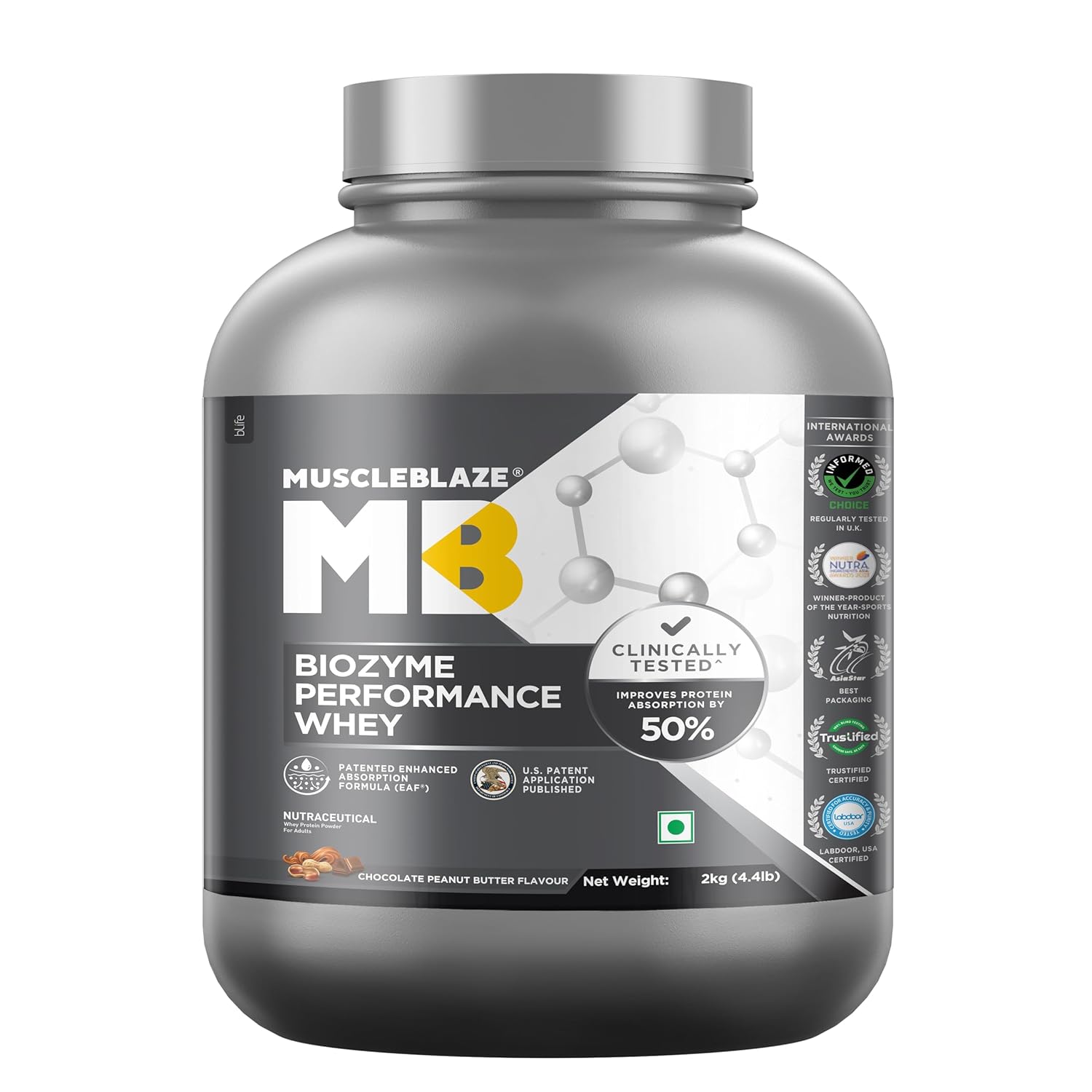

Tracking Your Intensity Variables for Maximum Growth
When you stop tracking progress solely by the weight on the bar, precise tracking of your variables becomes absolutely mandatory. You cannot rely on memory to track subtle changes like eccentric tempo durations, reduced rest times, or small rep increases across multiple movements. If you fail to log these metrics properly, you will inevitably end up guessing your workouts, leading to stagnant muscle plateaus.
To systematically guarantee you are enforcing progressive overload every single week, utilize the free digital fitness tools on our platform. Log every single rep, set, exercise variation, and rest duration accurately using our specialized WORKOUT-LOG tool to ensure you are continually forcing adaptation.
Remember that elite training intensity demands optimal nutritional recovery. Ensure your daily caloric intake aligns perfectly with your goals by analyzing your food with our advanced CAL-TRACK system, and map out your ultimate high-protein nutritional strategy using our custom-tailored CUSTOM DIET-PLAN-MAKER.
Progressive Overload Strategy Comparison Table
This comparison chart breaks down exactly how to manipulate individual training variables to seamlessly force progressive overload without changing the physical weight on the barbell:
| Overload Method | Primary Mechanism | Practical Execution | Primary Benefit |
|---|---|---|---|
| Volume Increase | Total Work Accumulation | Perform 12 reps instead of 10 per set | Triggers higher muscular endurance and mass |
| Tempo Manipulation | Extended Time Under Tension | Lower the weight for 4 full seconds | Maximizes structural micro-tears and safety |
| Rest Reduction | Accumulated Metabolic Stress | Cut rest time from 90 to 45 seconds | Boosts cellular swelling and cardiovascular fitness |
| Biomechanical Depth | Deep Range Stretch & Squeeze | Pause at maximum stretch, avoid bouncing | Eliminates momentum, targeting precise fibers |
CHECK OUT - BEST WELLCORE CREATINE FOR MUSCLE-GAINING
Wellcore Pure Micronised Creatine Powder (33 Servings, Tropical Tango) For Enhanced Muscle Strength
Check Price on Amazon


Conclusion
You do not need an endless rack of heavy gym weights to continue building a powerful, muscular physique. By mastering advanced training intensity variables—such as increasing total set volume, slowing down eccentric repetition tempos, restricting rest intervals, and executing absolute full ranges of motion—you can force your muscles into significant new growth phases. Focus deeply on the internal quality of every single contraction rather than the external number on the plate, track your metrics meticulously, and watch your physique transform rapidly.
Frequently Asked Questions (FAQs)
Can you actually build muscle without ever adding heavier weights?
Yes, you absolutely can. Muscle tissue grows in direct response to mechanical tension and metabolic stress. By increasing your training volume, optimizing range of motion, and slowing down tempos, you can cause the exact same weight to generate massive amounts of internal tension, triggering muscle protein synthesis efficiently.
How often should I decrease my rest periods to force progressive overload?
You should gradually decrease rest periods over a block of 3 to 4 weeks. For instance, if you start with 90 seconds of rest, try dropping to 75 seconds the following week, and down to 60 seconds the week after. Always ensure your overall form execution does not degrade due to the accumulated fatigue.
Is time under tension or heavy weight better for muscle hypertrophy?
Both methods serve as highly powerful stimuli for muscle hypertrophy. Heavy weights provide high mechanical tension rapidly, whereas longer time under tension generates intense metabolic stress and structural micro-damage. Utilizing a strategic combination of both methods yields the absolute best muscular development over time.
Comments
Post a Comment