

Muscle Protein Synthesis: How Muscle Growth Happens (The Ultimate Scientific Guide)

If you have ever lifted weights, drank a protein shake, or looked at your physique in the mirror after a brutal workout, you have participated in the process of Muscle Protein Synthesis (MPS).
But what exactly is MPS, and why does it matter? Many lifters believe that muscles grow while they are lifting weights in the gym. This is a massive misconception. Weight training actually damages and tears down your muscle fibers. The real growth happens afterward, through a complex biological rebuilding process.
This comprehensive, scientifically backed guide will break down the exact mechanics of Muscle Protein Synthesis, explain how to trigger it optimally, and give you real-life examples to maximize your gains.
What is Muscle Protein Synthesis (MPS)?
At any given moment, your body is in a constant state of cellular turnover. Your muscles are simultaneously being broken down and rebuilt. This dynamic balance is governed by two opposing biological processes:
Muscle Protein Breakdown (MPB): The process where your body degrades damaged or old muscle proteins, often accelerated by intense weight training or fasting.
Muscle Protein Synthesis (MPS): The process where your body utilizes amino acids from dietary protein to repair, rebuild, and create new muscle tissue.
The Net Protein Balance Equation
To understand whether you are gaining muscle, losing muscle, or staying the same, you must look at your Net Protein Balance (NPB). This can be expressed mathematically through a simple equation:
Negative Protein Balance (MPS < MPB): If breakdown exceeds synthesis, you enter a catabolic state, resulting in muscle loss. This occurs during extreme calorie deficits or prolonged fasting.
Positive Protein Balance (MPS > MPB): If synthesis exceeds breakdown, you enter an anabolic state, resulting in hypertrophy (muscle growth).
To ensure your body stays in a positive protein balance, you must fuel it with the precise number of calories and macronutrients. You can track your daily intake easily using the
A Real-Life Example: The Brick Wall Analogy
To truly understand how Muscle Protein Synthesis operates in real life, let’s look at a practical, easy-to-understand analogy: The Brick Wall.
[ Normal Wall ] ---> [ Gym Workout (Tear Down) ] ---> [ Protein Intake (Rebuild) ] ---> [ Bigger Wall ]
Imagine your current muscle mass is a sturdy brick wall. Each brick represents an individual amino acid, and the mortar holding them together represents the chemical bonds between proteins.
The Gym Session (Controlled Destruction): When you go to the gym and perform heavy sets of exercises, you are essentially bringing a sledgehammer to your brick wall. Every heavy rep creates tiny cracks and fractures in the wall. This represents Muscle Protein Breakdown (MPB). By the time you walk out of the gym, your wall is damaged and weakened.
The Post-Workout Meal (Sourcing the Materials): Now, you sit down and eat a high-protein meal, such as chicken breast, eggs, or soya chunks. Your digestive system breaks down that protein into individual bricks (amino acids) and dumps them into your bloodstream.
The Construction Crew (MPS Activation): The presence of these new bricks, combined with the signal from your workout, calls in a cellular construction crew. This crew begins placing the new bricks into the cracks of the wall. However, the body is smart. It doesn't just want to restore the wall to its original size; it wants to ensure the wall can survive the next sledgehammer blow.
The Result (Hypertrophy): The construction crew builds the wall slightly higher and thicker than it was before. This act of adding extra bricks to repair the damage is Muscle Protein Synthesis.
If you skip your protein or don't train hard enough, the construction crew has no raw materials or no reason to work, and your wall remains broken or shrinks.
The Biological Switch: What Triggers MPS?
Inside your body, Muscle Protein Synthesis is not controlled by willpower; it is triggered by specific cellular signaling pathways. The most important pathway responsible for muscle growth is called mTOR (Mechanistic Target of Rapamycin).
Think of mTOR as the master switch or the "project manager" of the construction crew. When mTOR is switched on, MPS shoots up, and your body begins building muscle. There are two primary ways to flip the mTOR switch:
1. Mechanical Tension (Resistance Training)
When you lift a heavy weight close to muscular failure, specialized sensors on your muscle cell membranes called mechanoreceptors detect the extreme tension. These receptors instantly send an anabolic signal to activate the mTOR pathway. This is why lifting weights is completely non-negotiable if your goal is muscle hypertrophy.
2. Hyperaminoacidemia and Hyperleucinemia (Amino Acid Availability)
When you consume protein, the concentration of amino acids in your blood rises (Hyperaminoacidemia). Specifically, an essential amino acid called Leucine rises sharply (Hyperleucinemia). Leucine acts as a direct chemical key that unlocks and activates the mTOR pathway. Even without a workout, eating enough leucine can trigger a spike in MPS, though the effect is significantly magnified when combined with resistance training.
The Leucine Trigger Concept
Not all proteins are created equal when it comes to stimulating Muscle Protein Synthesis. To maximize the anabolic response, a meal must contain a specific threshold of the amino acid Leucine. This is known in sports nutrition science as the Leucine Trigger.
The Threshold: Research indicates that you need approximately 2.5 to 3.0 grams of pure Leucine in a single feeding to fully maximize the MPS response.
The Saturating Dose: Once you hit this threshold, eating more protein in that specific meal will not cause MPS to rise any higher. The extra amino acids will simply be used for energy or other bodily functions.
Protein Sources and the Leucine Threshold
| Protein Source | Typical Serving Size | Protein Content | Estimated Leucine Content | MPS Stimulation Efficiency |
| Whey Protein Isolate | 1 Scoop (30g) | ~25g | ~2.7g - 3.0g | Excellent (Fast digesting, high leucine) |
| Chicken Breast | 100g | ~31g | ~2.5g | Excellent (Rich in essential amino acids) |
| Whole Eggs | 4 Large Eggs | ~24g | ~2.0g | Good (Highly bioavailable, slightly lower leucine) |
| Soya Chunks | 50g (Dry) | ~26g | ~1.9g | Moderate (Requires larger portion to hit trigger) |
| Collagen Protein | 30g | ~27g | ~0.8g | Poor (Extremely low in leucine and BCAAs) |
If you want to ensure your daily meals are perfectly structured with the right protein sources to hit this leucine trigger consistently, you can design a fully optimized meal plan using the
The Muscle Protein Synthetic Window: Fact vs. Fiction
For decades, gym culture popularized the concept of the "Anabolic Window"—the myth that you must chug a protein shake within 30 minutes of your workout, or your session is completely wasted.
What the Science Actually Shows
Modern exercise science has thoroughly debunked the strict 30-minute rule. The elevated state of Muscle Protein Synthesis following a heavy resistance training session lasts far longer than a mere half-hour:
The Scientific Reality: Following a hard workout, your muscle cells remain sensitized to protein and keep MPS elevated for 24 to 48 hours.
Therefore, your total daily protein intake and consistent spacing of meals are vastly more important than rushing to drink a shake in the locker room.
However, your rate of Muscle Protein Breakdown (MPB) is also elevated post-workout. Eating a high-protein meal within 1 to 2 hours before or after your workout is highly recommended to counteract breakdown and maximize the net anabolic effect.
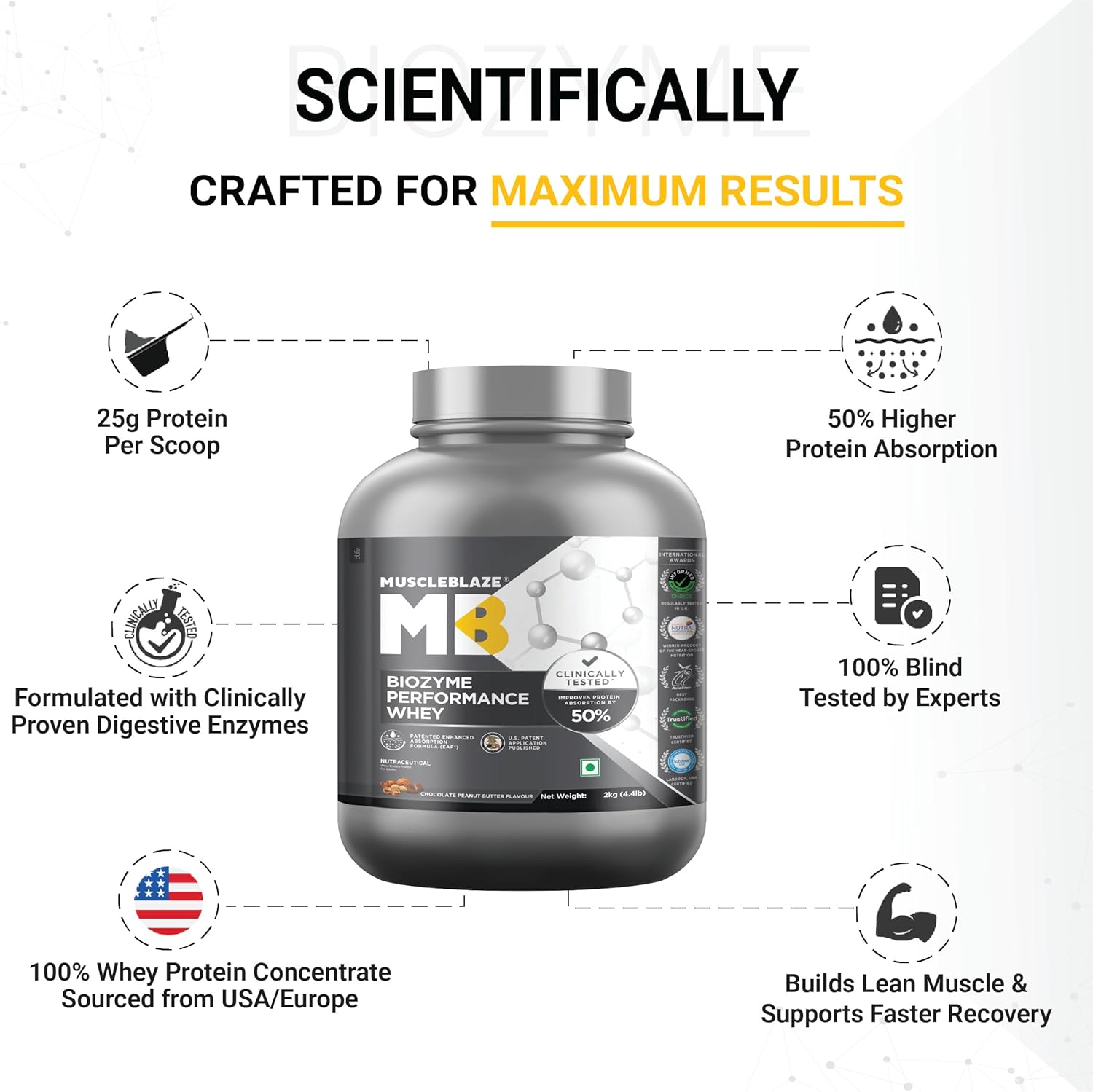
CHECK OUT - BEST MUSCLEBLAZE WHEY PROTEIN
MuscleBlaze Biozyme Performance Whey Protein Powder, Chocolate Peanut Butter (2kg / 4.4lbs) | 25g Protein Per Scoop
Check Price on Amazon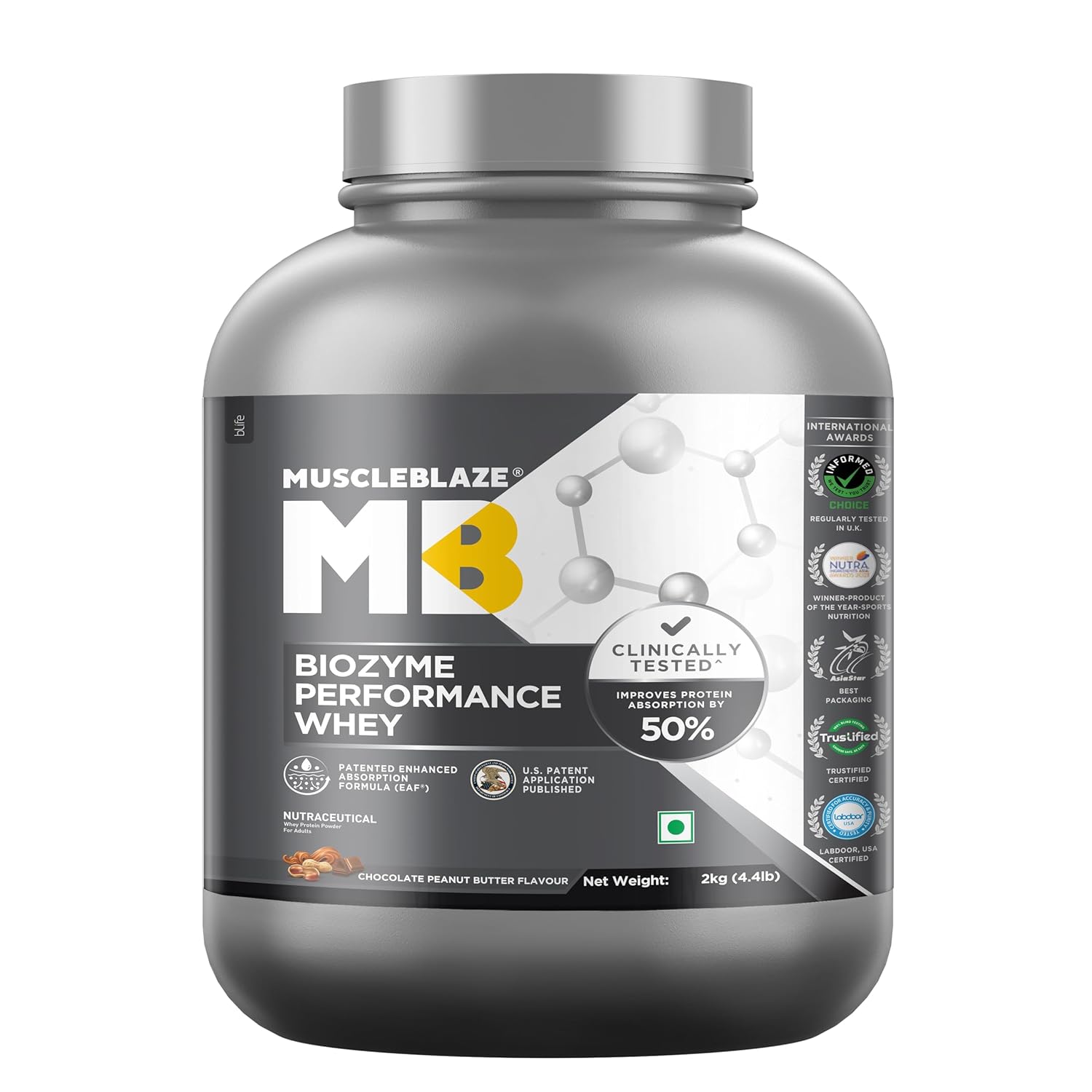

How to Optimize MPS Across 24 Hours
To achieve optimal muscle growth, you cannot simply eat one massive meal at the end of the day. Because MPS spikes and then returns to baseline after a few hours, you need a strategic distribution pattern.
Step 1: Space Your Meals (Every 3 to 5 Hours)
When you eat a meal containing 30–40 grams of high-quality protein, MPS spikes for roughly 2 to 3 hours, followed by a refractory period where the muscle becomes temporarily desensitized to more amino acids (the "muscle full" effect).
To optimize this, space your protein intake across 3 to 5 distinct meals throughout the day. This allows MPS to spike, drop back to baseline, and be triggered efficiently once again.
[Breakfast: 35g Protein] ---> MPS Spikes & Drops
       | (Wait 4 Hours)
[Lunch: 35g Protein]     ---> MPS Spikes & Drops
       | (Wait 4 Hours)
[Post-Wkt: 35g Protein]  ---> MPS Spikes & Drops
       | (Wait 4 Hours)
[Dinner: 35g Protein]    ---> MPS Spikes & Drops
Step 2: Track Your Training Intensity
Remember that dietary protein is useless without a stimulus. You must log your workouts to ensure you are consistently applying progressive overload—forcing the mechanoreceptors to activate mTOR. Use the
Step 3: Consume Protein Before Sleep
During the night, your body enters a prolonged fasting state where MPB can begin to outpace MPS. Consuming a slow-digesting protein source (like casein protein, paneer, or curd) right before bed provides a slow, steady release of amino acids into your bloodstream, maintaining a positive net protein balance while you sleep.
Frequently Asked Questions About Muscle Protein Synthesis
Does eating more protein always mean more muscle growth?
No. Once you consume enough protein to hit the leucine trigger and fully saturate the mTOR pathway (usually 0.4–0.5g/kg of body weight per meal), extra protein does not increase MPS further. To build muscle, ensure your overall calories are also in a slight surplus.
Can I stimulate MPS effectively on a plant-based diet?
Yes, but you must be more strategic. Plant proteins generally have lower concentrations of essential amino acids, particularly leucine, and lower bioavailability. Plant-based lifters should consume roughly 20-30% more total protein per meal or mix diverse sources (like pea and rice protein) to ensure they successfully cross the leucine trigger threshold.
CHECK OUT - BEST WELLCORE CREATINE FOR MUSCLE-GAINING
Wellcore Pure Micronised Creatine Powder (33 Servings, Tropical Tango) For Enhanced Muscle Strength
Check Price on Amazon


What happens to MPS if I do cardio?
Cardiovascular training triggers a completely different cellular pathway called AMPK. While mTOR stimulates muscle growth, AMPK focuses on mitochondrial biogenesis and endurance adaptations. Intense, prolonged cardio can temporarily suppress mTOR. To prevent this "interference effect," space your heavy weight training sessions and cardio sessions several hours apart.
Comments
Post a Comment