

Is It Possible to Build Abs Without Training Them? (The Core Science Explained)
Every fitness enthusiast dreams of rocking a shredded midsection. Walk into any commercial gym, and you will see people performing endless crunches, standard planks, and intense leg raises. They spend hours targeting their midsection, hoping to carve out a chiseled midsection. But a massive question divides the fitness community: is it possible to build abs without training them? You might have heard rumors of powerlifters and athletes who never touch an isolation movement but still sport a deep, defined midsection. The truth is highly scientific, rooted deeply in structural anatomy, overall body fat levels, and structural mechanics. Let's break down whether you can skip the dedicated core sessions and still achieve a defined midsection.
Understanding Anatomy: The Structure of Your Core Muscles
To determine if direct work is completely optional, you must first understand the structural layout of your midsection. When people talk about a six-pack, they are primarily referring to the rectus abdominis. This is the long, flat muscle that runs vertically down the front of your abdomen. Its primary biomechanical function is spinal flexion—bringing your ribs closer to your pelvis.
However, the midsection is far more complex than just a single muscle sheet. Beneath the surface lies a complex network of core muscles that work continuously to stabilize your trunk. This system includes the internal and external obliques, which manage trunk rotation and lateral flexion. It also includes the deeper transverse abdominis muscle, which acts as a natural weightlifting belt by compressing your internal organs and creating intra-abdominal pressure.
Whenever you stand, breathe, walk, or lift weights, these foundational muscle tissues fire automatically to protect your spine. This constant baseline activation is exactly why some fitness experts claim that isolation movements are not mandatory for structural development.
The Power of Compound Movements and Strength Training
The most common argument for skipping isolation work is the heavy utilization of multi-joint movements. Engaging in progressive, heavy strength training triggers significant activation across your entire midsection. When you perform a heavy barbell back squat or a conventional deadlift, your torso must remain completely rigid to prevent the heavy load from collapsing your spine forward.
This stabilization requires a massively strong core. During a heavy overhead press or a heavy bent-over row, your abdominal muscles contract intensely to transfer power efficiently from your lower body to your upper body. The physical stress placed on the torso during these heavy compound lifts forces the muscle fibers to thicken and grow over time, even without a single crunch.
To maximize this indirect growth, tracking your training performance is essential. If you are not recording your lifts, you cannot guarantee progressive overload. Use the free WORKOUT-LOG on our platform to track your daily exercises, sets, reps, and calculated volume. Ensuring your compounds scale up in weight ensures your underlying muscles grow consistently.
The Real Secret Behind Visible Abs: Fat Levels
You can build the thickest, most muscular midsection in the world through heavy lifting, but it will remain completely hidden if it is buried under a layer of subcutaneous adipose tissue. The harsh reality of fitness is that revealing a chiseled pack abs look is completely dependent on lowering your overall body fat percentage.
For men, a stark definition generally begins to emerge when overall fat levels drop below 12 percent. For women, who naturally carry more essential adipose tissue for hormonal regulation, visible abs typically become clear around 20 percent or lower. No amount of direct mechanical stimulation can bypass this metabolic law.
Achieving this required metabolic state demands a strict, structured caloric deficit. To seamlessly manage your daily nutritional targets, take advantage of our free CAL-TRACK system. This interactive portal allows you to search various food items, input custom macro profiles, and track your total caloric expenditure effortlessly to maintain a steady fat loss trajectory.
Direct Core Exercises vs. Indirect Activation
Let's objectively analyze the metabolic and muscular differences between direct isolation work and structural compound integration. While compound lifting provides deep isometric tension, isolation work offers dynamic concentric and eccentric contractions.
| Training Method | Primary Muscle Stress Type | Hypertrophy Potential | Caloric Burn Rating |
|---|---|---|---|
| Heavy Squats & Deadlifts | Isometric (Static Stabilization) | Moderate (Thickens overall walls) | Very High |
| Overhead & Upper Body Lifts | Anti-Extension / Anti-Flexion | Low to Moderate | High |
| Isolated Core Exercises | Concentric & Eccentric (Dynamic) | High (Pop and blockiness) | Low |
As displayed in the dataset above, heavy compound work is incredible for building functional trunk strength and incinerating global calories. However, dedicated core exercises offer direct mechanical tension and metabolic stress that force localized muscular hypertrophy. If you want your muscular blocks to pop visually even at a slightly higher fat level, direct stimulation remains incredibly valuable.
CHECK OUT - BEST MUSCLEBLAZE WHEY PROTEIN
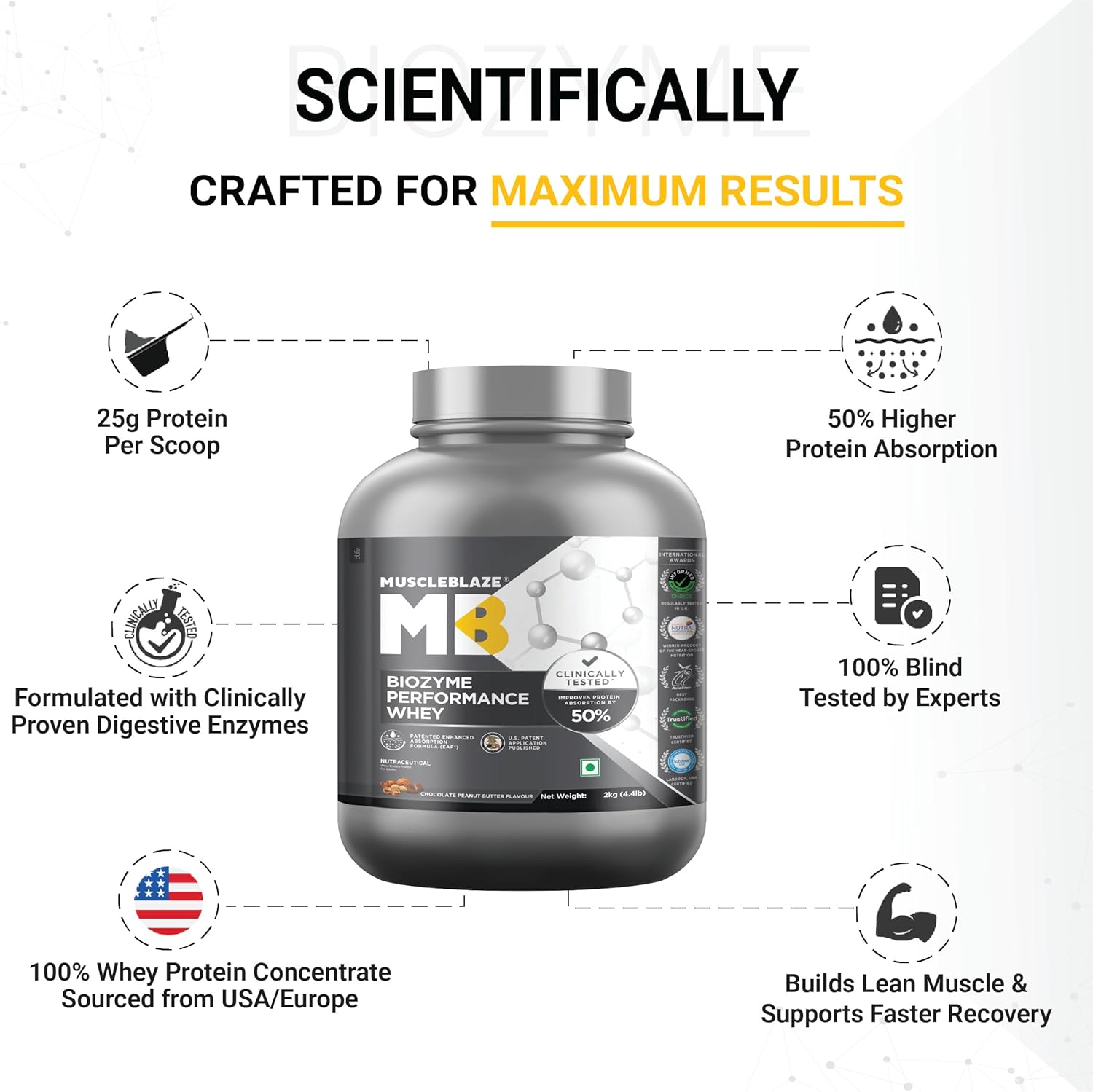
MuscleBlaze Biozyme Performance Whey Protein Powder, Chocolate Peanut Butter (2kg / 4.4lbs) | 25g Protein Per Scoop
Check Price on Amazon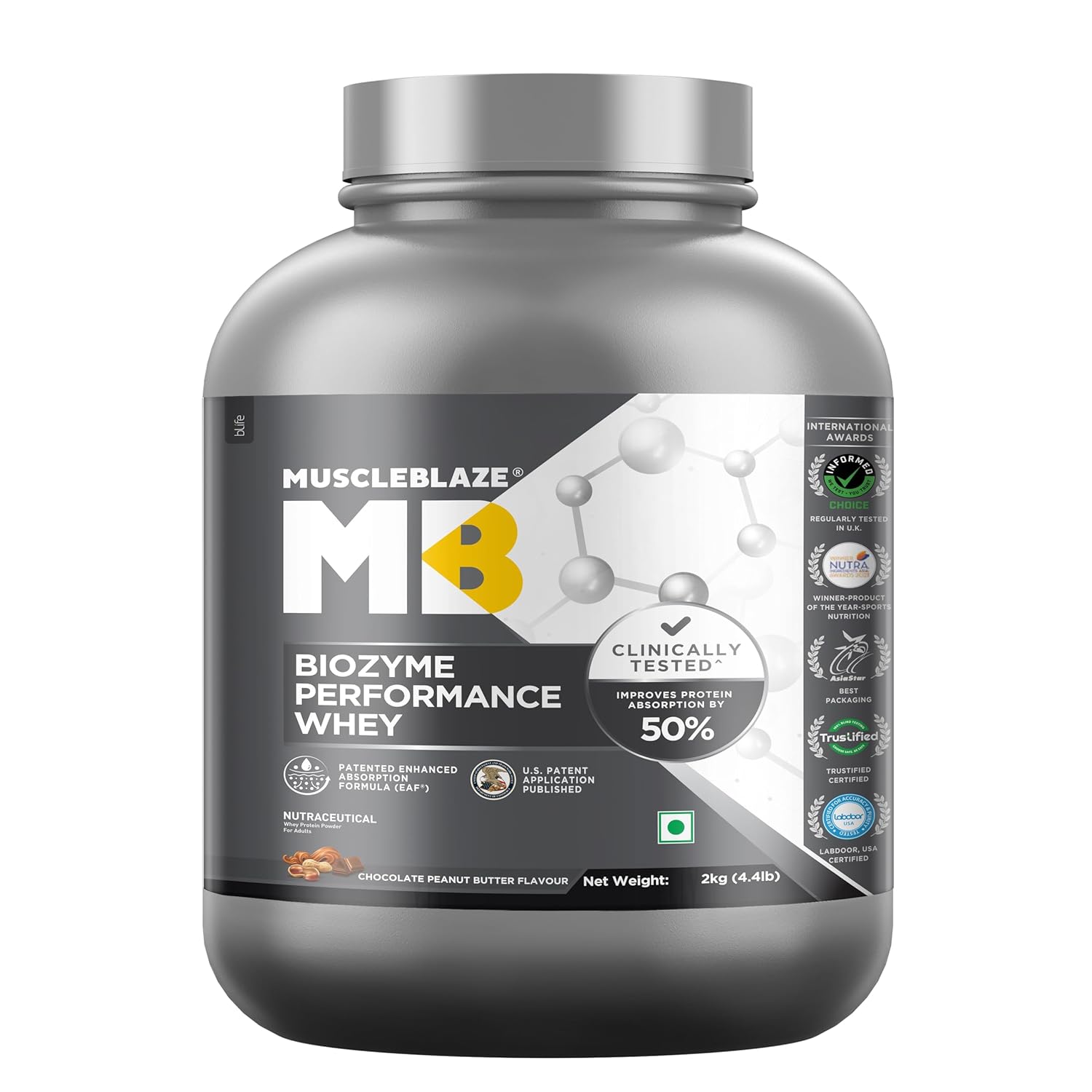

The Role of Genetics in Abdominal Development
Genetics play a massive, unalterable role in how your midsection shapes up. The classic four-pack, six-pack, or eight-pack structure is predetermined by the alignment of your tendinous intersections. These are the horizontal bands of connective tissue that cross the rectus abdominis.
Some individuals are genetically born with deep tendinous indentations and naturally thick muscle bellies. These lucky people might achieve beautifully sculpted, visible abs strictly through standard compound movements and low body fat. Others may have shallower bands, requiring dedicated, heavy resisted movements to force the structural muscle tissue to grow thick enough to pop visually.
Optimizing Your Nutrition to Reveal the Six-Pack
Because revealing your midsection requires precise fat management, your nutritional design is paramount. You need a diet plan rich in high-quality lean protein to preserve lean muscle tissue while your body systematically burns off stored fat cells.
Designing a tailored nutritional profile can feel overwhelming with all the conflicting advice online. To simplify the entire process, head over to our completely free CUSTOM DIET-PLAN-MAKER. Whether you prefer a plant-based, vegetarian, or standard omnivore approach, our layout instantly builds a targeted roadmap suited precisely to your physical specs and physique goals.
In Conclusion: It is absolutely possible to build functional structural tissue across your midsection without isolating it directly, provided your workout regimen revolves around heavy, intense compound movements. However, whether those muscles become visible depends completely on keeping a low body fat percentage. While compound movements establish a remarkably strong foundation, incorporating a few targeted isolation exercises will optimize the blockiness, depth, and symmetry of your midsection. Manage your variables, track your progress meticulously with our online tools, and stay disciplined in the kitchen to unlock your ultimate physical potential.
CHECK OUT - BEST WELLCORE CREATINE FOR MUSCLE-GAINING
Wellcore Pure Micronised Creatine Powder (33 Servings, Tropical Tango) For Enhanced Muscle Strength
Check Price on Amazon


Frequently Asked Questions (FAQs)
Q1: Can I get a six-pack just by doing compound structural lifts?
Yes, you can. Heavy compound training stimulates the muscular walls intensely. If you drop your body fat low enough through a dedicated nutritional deficit, those structurally developed muscle walls will show through as a defined midsection.
Q2: Do flat planks build thick blocks on the front abdominal wall?
Standard planks are an isometric hold designed primarily to build deep structural stability in the deep transverse muscle walls. While they build amazing functional endurance, they are not the most efficient tool for forcing massive muscular thickness compared to resisted movements that utilize dynamic flexion.
Q3: How many times a week should I isolate my midsection if compounds aren't enough?
If you want to accelerate muscular growth, isolating the muscles 2 to 3 times per week at the end of your standard training sessions is optimal. Treat them like any other muscle group by utilizing progressive overload and adequate resting windows.
Comments
Post a Comment