

How To Do Fat-Loss Without Losing Strength And Energy In Workout (AtoZ Scientific Guide)

Embarking on a "cut" is a rite of passage for every athlete and gym-goer. You have spent months building a solid foundation of muscle mass, and now the goal is to peel away the layers of body fat to reveal that hard-earned definition underneath. However, the most common fear—and reality for many—is the dreaded loss of strength and muscle volume during the process.
If you are currently struggling to balance fat loss with performance, you have come to the right place. Creating a sustainable cutting diet isn’t about starving yourself; it’s about precision, strategy, and consistency. In this guide, we will break down the science of cutting while maintaining your power, ensuring that when you reach your goal, you are leaner, not smaller.
The Core Philosophy: Why Most People Fail
Most people approach a cut by drastically slashing calories and performing hours of mindless cardio. While this leads to weight loss, it is often a "crash diet" that causes the body to break down muscle tissue for energy, leading to a flat, weak physique.
To succeed, you must view your diet as a tool for body recomposition. Your goal is to signal to your body: "Burn fat for fuel, but keep the muscle because I am still lifting heavy."
The Comparison: Crash Dieting vs. Strategic Cutting
| Feature | Crash Dieting | Strategic Cutting (RahulLifters Style) |
| Calorie Deficit | Extreme (1000+ kcal) | Moderate (300-500 kcal) |
| Muscle Retention | High risk of muscle loss | High priority via protein & training |
| Strength Levels | Rapid decline | Maintained or slightly decreased |
| Metabolic Health | Slowed down | Supported via steady adjustments |
| Sustainability | Very Low | High |
1. Setting the Foundation: The Caloric Deficit
You cannot lose fat without a calorie deficit.
Determine Your TDEE: Calculate your Total Daily Energy Expenditure.
This is the amount of energy your body needs to maintain its current weight. The Sweet Spot: Aim for a reduction of 300 to 500 calories per day.
This is a "sweet spot" that allows for a steady loss of about 0.5 to 1 pound per week, which is the gold standard for preserving lean muscle mass. Use Professional Tools: Don't guess your intake. Use our
CAL-TRACK to accurately map out your daily requirements. Precise tracking is the difference between guessing and achieving results.
2. The Power of Protein: Your Muscle Guard
When calories are restricted, your body becomes catabolic, meaning it looks for tissues to break down. Protein is your primary defense.
Optimal Intake: Aim for 1.2 to 1.6 grams of protein per kilogram of body weight.
During a caloric deficit, your body's requirement for amino acids actually increases to prevent muscle protein breakdown. Frequency Matters: Spread your protein intake across 4–5 meals throughout the day.
This keeps amino acid levels elevated, signaling to your body to synthesize muscle rather than catabolize it. Quality Sources: Focus on lean protein sources like chicken breast, egg whites, whey protein, tofu, lentils, and low-fat dairy.
3. Carbohydrates: The Fuel for Strength
Many people make the mistake of going "low carb" the moment they start cutting. While low-carb diets can work, they often lead to a sharp drop in gym performance and strength.
Peri-Workout Nutrition: Strategic carbohydrate intake is crucial. Eat the majority of your daily carbs around your workout window (pre- and post-workout). This ensures your glycogen stores are topped up for high-intensity training, which helps maintain your strength.
Complex vs. Simple: Stick to complex sources like oats, brown rice, and sweet potatoes to maintain steady energy levels and satiety.
4. The Role of Resistance Training
While your diet provides the environment for weight loss, your training provides the stimulus for muscle retention.
Keep it Heavy: The biggest mistake during a cut is switching to "high rep, low weight" training.
Your body thinks it no longer needs to support heavy muscle mass if you aren't lifting heavy. Continue to lift within the 6–12 rep range with heavy loads to signal that your strength is still required. Track Your Progress: Use the
WORKOUT-LOG to record every set, rep, and weight. If your numbers start to drop significantly, it is a sign that your deficit is too aggressive or your recovery is insufficient.
5. Designing Your Roadmap: Custom Diet Planning
Every individual has different needs. Whether you are vegan, non-vegetarian, or have specific supplement requirements, you need a plan that is customized to your lifestyle. A "one-size-fits-all" approach leads to burnout.
Build your perfect, sustainable plan today with our
CHECK OUT - BEST MUSCLEBLAZE WHEY PROTEIN
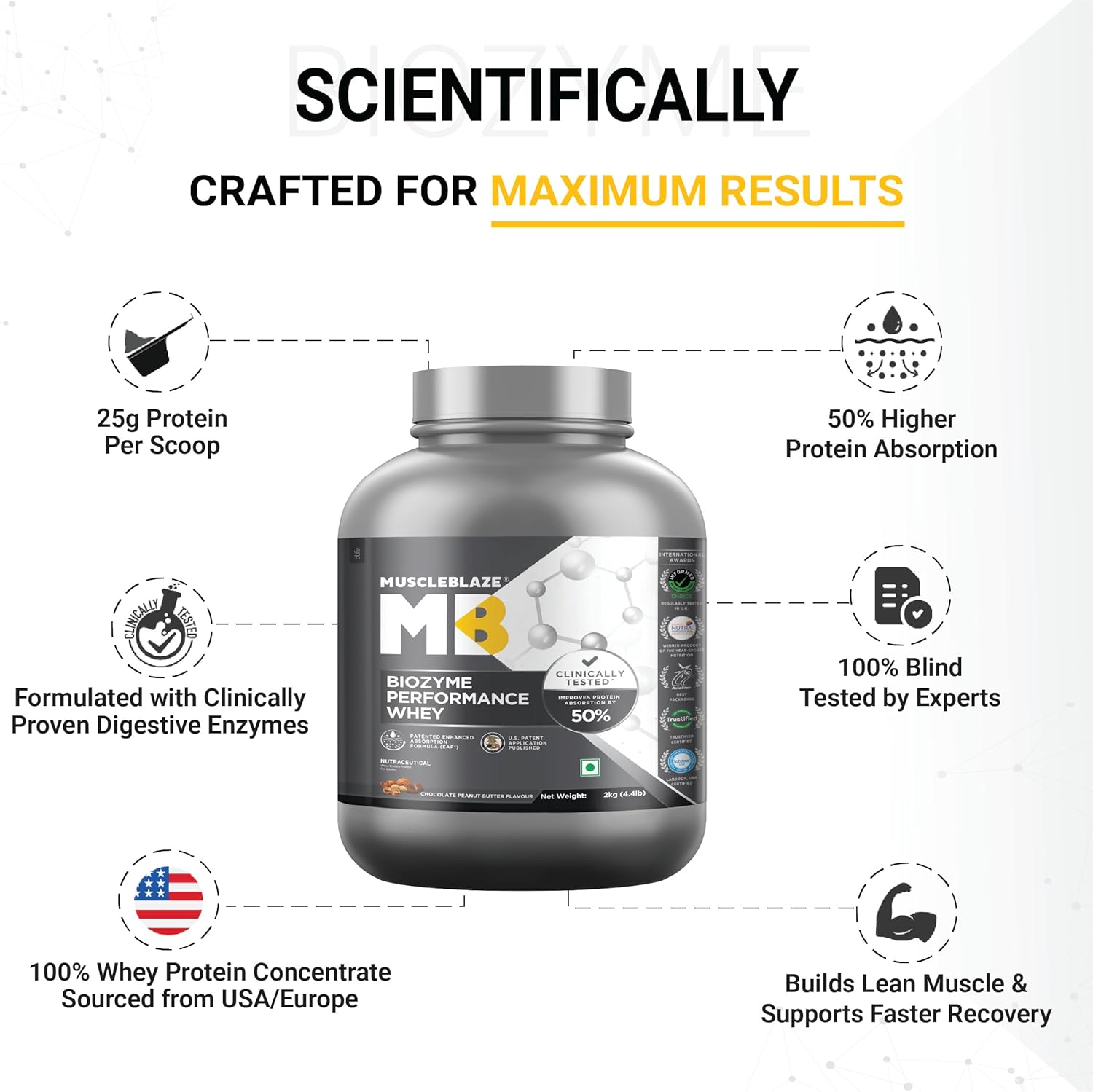
MuscleBlaze Biozyme Performance Whey Protein Powder, Chocolate Peanut Butter (2kg / 4.4lbs) | 25g Protein Per Scoop
Check Price on Amazon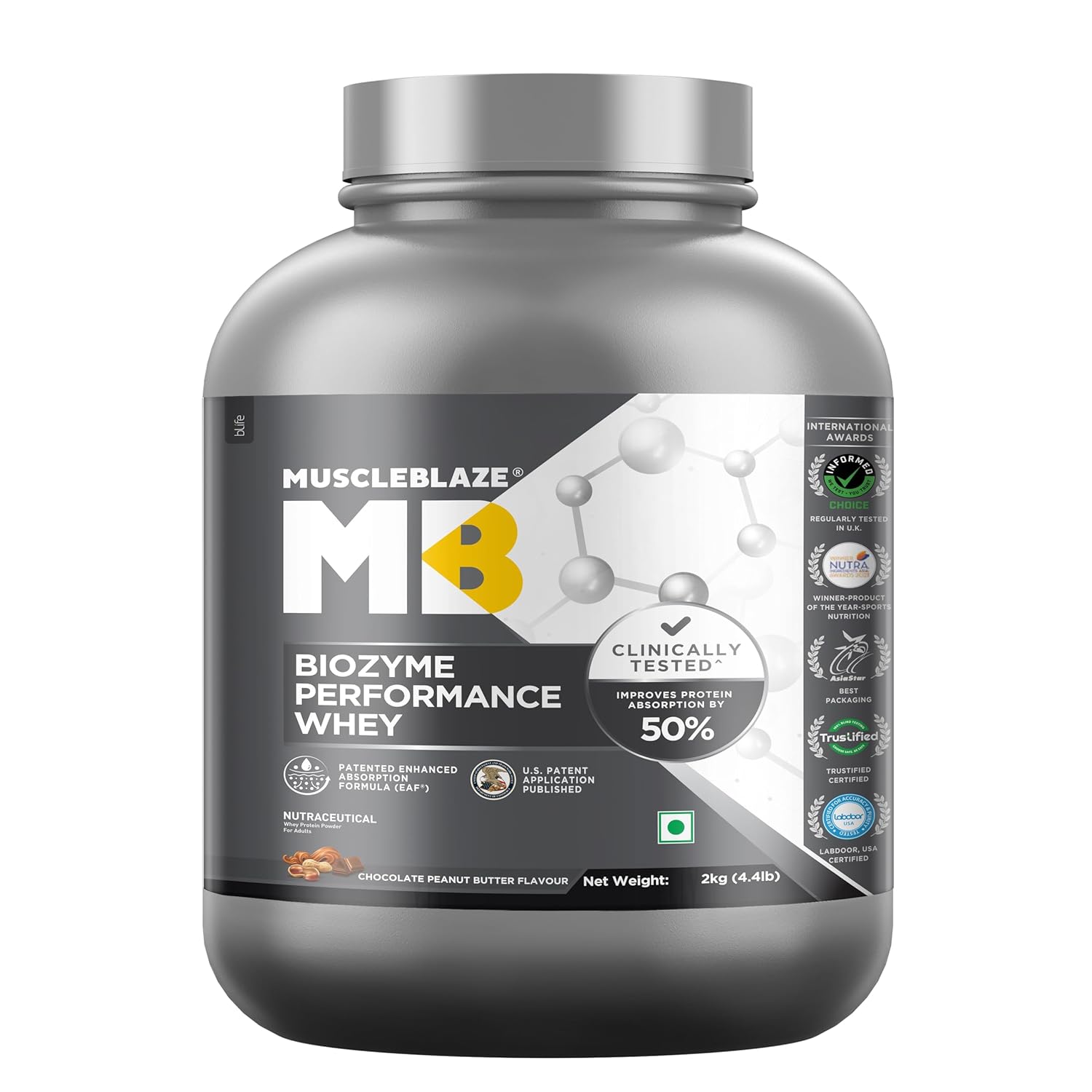

Practical Tips for Sustaining the Cut
Hydration is Key: Water is essential for metabolism and appetite control.
Drink at least 3–4 liters of water daily to prevent dehydration, which can be mistaken for hunger. Fiber-Rich Foods: Incorporate high-fiber vegetables into every meal.
They add volume to your plate, keeping you full without excessive calories. Avoid "Catastrophizing": If you have a day where you exceed your calorie limits, do not give up.
Simply acknowledge it and return to your plan the next meal. Consistency over the long term is what builds a championship physique. Prioritize Sleep: Muscle is built and maintained while you sleep, not while you train. Aim for 7–9 hours of quality sleep to optimize hormonal balance (testosterone and cortisol).
Final Thoughts: The Journey to Shredded
Cutting is a marathon, not a sprint. If you rush the process by cutting calories too low, you will sacrifice the hard work you put in during your bulk. By maintaining a moderate deficit, keeping protein high, and training with intensity, you ensure that the weight you lose is pure fat.
Stay consistent, track your metrics using the tools provided at
Comments
Post a Comment