

How Much Sets and Exercises Should Be Per Workout Session? (The Ultimate Scientific Guide!)

How many sets should you do per workout? How many exercises are too many? If you are spending hours in the gym doing endless exercises, you might actually be killing your muscle growth.
Maximizing muscle hypertrophy (building muscle) and strength isn't about doing as much work as possible. It is about doing the exact amount of high-quality work your body can recover from.
This in-depth scientific guide breaks down the precise numbers for optimal sets, reps, and exercise selection to ensure every single minute you spend in the gym builds maximum muscle.
The Golden Rules of Workout Volume
To build a powerful, athletic physique, you must track your training volume. Training volume is generally calculated as:
Volume = Sets x Reps x Weight
However, from a practical standpoint, scientists measure volume by counting hard, working sets taken close to muscular failure.
To ensure your numbers are aligned with your goals, use the
How Many Exercises Per Workout Session?
Doing too many exercises leads to "junk volume"—sets that drain your energy without triggering any new muscle growth.
The Scientific Sweet Spot
For a single workout session, the scientific consensus points to a specific range:
Optimal Number: 3 to 5 exercises per workout session.
If your workout includes 7, 8, or 9 different exercises, your intensity is likely dropping. You cannot train with true, raw intensity if you are pacing yourself through a massive list of movements.
Why Quality Beats Quantity
Energy Depletion: Your central nervous system (CNS) and glycogen stores (muscle energy) drop significantly after your first 2 to 3 heavy exercises.
Diminishing Returns: Exercises performed at the end of a bloated workout yield almost zero hypertrophic stimulus while drastically increasing your recovery time.
Focus and Execution: Concentrating your mental and physical energy on 3 to 5 key movements allows you to master the form and apply progressive overload effectively.
To keep your sessions organized and ensure you aren't over-emphasizing junk volume, track your daily routines inside the
How Many Sets Per Exercise?
Once you have selected your 3 to 5 exercises, you need to determine the precise number of working sets per movement.
The Standard Range
Optimal Range: 2 to 4 working sets per exercise.
Choosing Your Set Count
Compound Movements (Squats, Bench Press, Romanian Deadlifts): Stick to 3 to 4 sets. These multi-joint movements recruit massive amounts of muscle tissue and require more volume to fully stimulate the fibers.
Isolation Movements (Bicep Curls, Lateral Raises, Tricep Pushdowns): Stick to 2 to 3 sets. Because these isolate a single muscle group, you can hit failure quickly without requiring excessive sets.
Total Working Sets Per Workout Session
This is where most lifters destroy their recovery capability. They perform far too many total sets in a single gym visit.
The Daily Limit for Growth
Scientific Upper Limit: 15 to 20 total working sets per workout session.
If you go beyond 20 working sets in a single day, the remaining sets turn into junk volume. Your muscles are already thoroughly stimulated; any extra work just damages the tissue beyond its ability to repair efficiently.
Breaking Down the Daily Volume Limits
| Metric | Minimum (For Maintenance/Beginners) | Optimal (For Muscle Growth) | Maximum (The Junk Volume Threshold) |
| Exercises Per Session | 3 Exercises | 4 to 5 Exercises | Greater than 6 Exercises |
| Sets Per Exercise | 2 Sets | 3 Sets | Greater than 4 Sets |
| Total Sets Per Session | 8 Total Sets | 12 to 18 Total Sets | Greater than 20 Total Sets |
| Weekly Sets Per Muscle | 10 Weekly Sets | 12 to 20 Weekly Sets | Greater than 25 Weekly Sets |
Weekly Volume vs. Per-Session Volume
To maximize muscle growth, you must look at how your daily workout volume connects to your weekly total. Science shows that a muscle group needs 10 to 20 total working sets per week to grow at an optimal rate.
The Problem with the "Bro Split"
If you train each muscle group only once a week (e.g., a dedicated "Chest Day"), trying to smash all 20 sets into that single session causes a massive drop-off in performance. The final 10 sets of that workout are done under extreme fatigue, meaning less weight is lifted and fewer muscle fibers are stimulated.
The Frequency Solution
Instead of doing 18 sets of chest in one workout, split that volume across two sessions per week:
Workout 1 (Monday): 9 sets of chest
Workout 2 (Thursday): 9 sets of chest
By splitting the volume, your muscles are fresh for all 18 sets, allowing you to lift heavier weights with better intensity. This is why Push/Pull/Legs (PPL) or Upper/Lower splits are highly effective.
CHECK OUT - BEST WELLCORE CREATINE FOR MUSCLE-GAINING
Wellcore Pure Micronised Creatine Powder (33 Servings, Tropical Tango) For Enhanced Muscle Strength
Check Price on Amazon


Muscle Growth Requires Proper Fueling
Optimizing your sets and exercises will only take you halfway. High-intensity training damages muscle fibers, which require adequate amino acids and energy to rebuild bigger and stronger.
Without a calculated diet, high training volumes will lead to muscle loss and overtraining. Use the
Designing the Perfect Scientific Workout Structure
To arrange your exercises correctly during a single session, follow this scientifically verified structural order:
1. The Heavy Compound Lifter (1 to 2 Exercises)
Always start your session with your heaviest, most complex compound movements when your energy levels are peak.
Examples: Barbell Back Squats, Romanian Deadlifts, Overhead Press, or Barbell Rows.
Volume: 3 to 4 working sets.
Rest: 2 to 3 minutes between sets to allow full ATP (adenosine triphosphate) replenishment.
2. The Secondary Compound / Accessory (1 to 2 Exercises)
Move on to movements that still target large muscle groups but use machines or dumbbells to reduce central nervous system fatigue.
Examples: Dumbbell Incline Press, Lat Pulldowns, Leg Press, or Hack Squats.
Volume: 3 working sets.
Rest: 90 seconds to 2 minutes between sets.
3. The Isolation / Sculptor (1 to 2 Exercises)
Finish the session by targeting specific, smaller muscle groups to induce metabolic stress and a massive muscle pump.
Examples: Dumbbell Lateral Raises, Cable Bicep Curls, or Rope Tricep Extensions.
Volume: 2 to 3 working sets.
Rest: 60 to 90 seconds between sets.
Crucial Variables That Change Your Set and Exercise Counts
The exact number of sets and exercises you should perform depends heavily on three key variables:
1. Training Proximity to Failure (RIR / RPE)
If you take every single set to absolute mechanical failure (where you cannot perform another repetition with good form), you need fewer total sets.
If training to complete failure: Stick to the lower end (10 to 12 total sets per session).
If keeping 1 to 2 Reps in Reserve (RIR): You can handle the higher end (15 to 20 total sets per session).
2. Muscle Group Size
Larger muscle groups can handle and require slightly more total variations and sets than smaller ones.
Large Muscles (Back, Quads, Chest): Benefit from 3 to 4 distinct exercises to hit different angles of the muscle fibers.
Small Muscles (Biceps, Triceps, Rear Delts, Calves): Need only 1 to 2 focused exercises at the end of a session since they are already heavily involved in compound lifts.
3. Your Training Experience
Beginners (Under 1 Year): Require very little volume to grow. 8 to 10 total sets per session across 3 exercises is more than enough.
Advanced Lifters (3+ Years): Require higher volume and specialized exercise angles to force adaptive growth in stubborn muscle tissue, pushing them toward the 15 to 20 daily set range.
Key Takeaways for Your Next Gym Session
Limit your exercise selection: Choose 3 to 5 high-yield exercises per workout. Stop doing 7 or 8 different movements.
Control your daily set count: Keep your total working sets between 12 and 18 per session to avoid the junk volume trap.
Quality over quantity: Make sure every single set is executed with perfect form, a controlled eccentric (lowering phase), and intense effort close to failure.
Track everything: Log your volume to ensure progressive overload is happening.
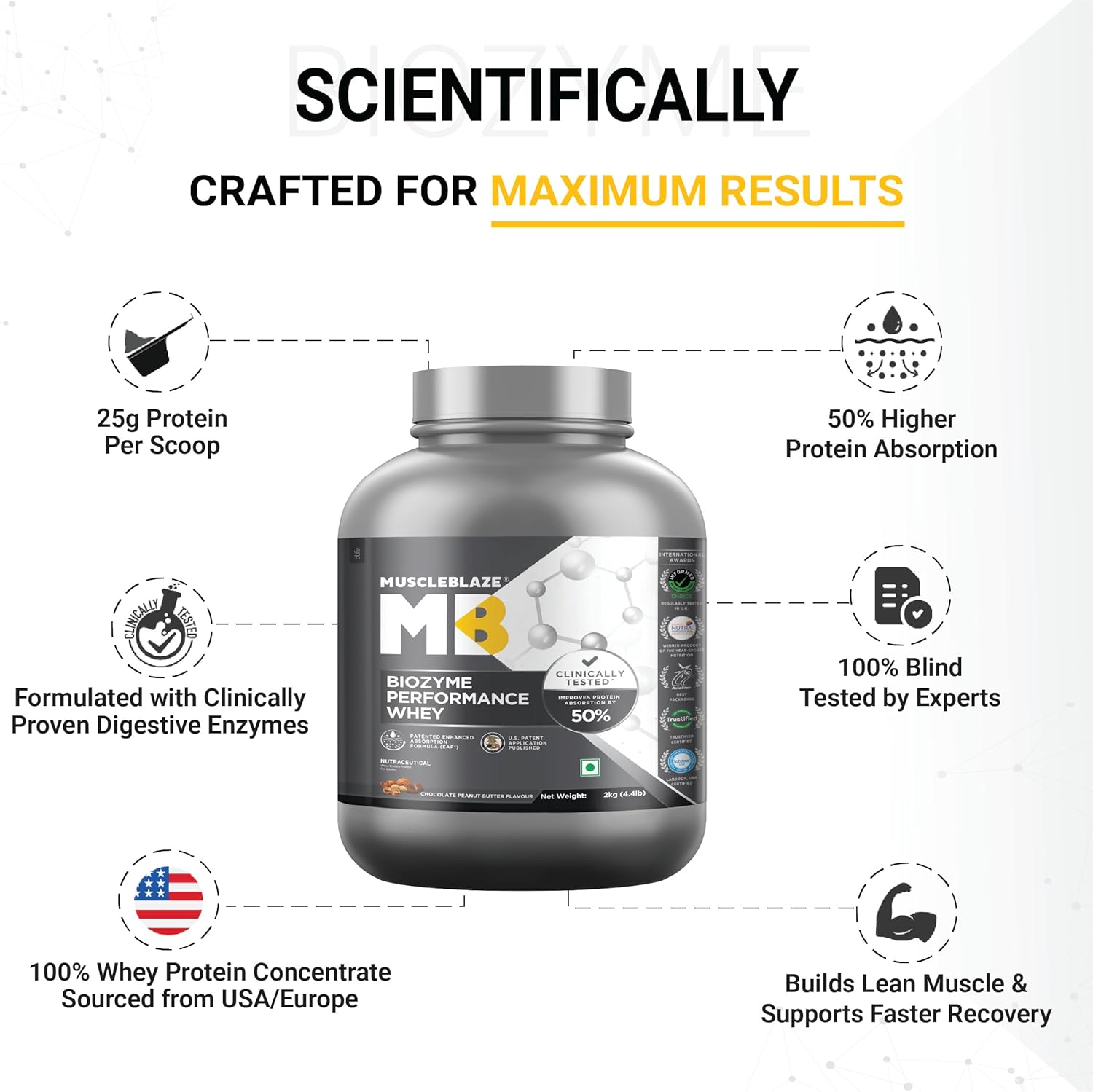
CHECK OUT - BEST MUSCLEBLAZE WHEY PROTEIN
MuscleBlaze Biozyme Performance Whey Protein Powder, Chocolate Peanut Butter (2kg / 4.4lbs) | 25g Protein Per Scoop
Check Price on Amazon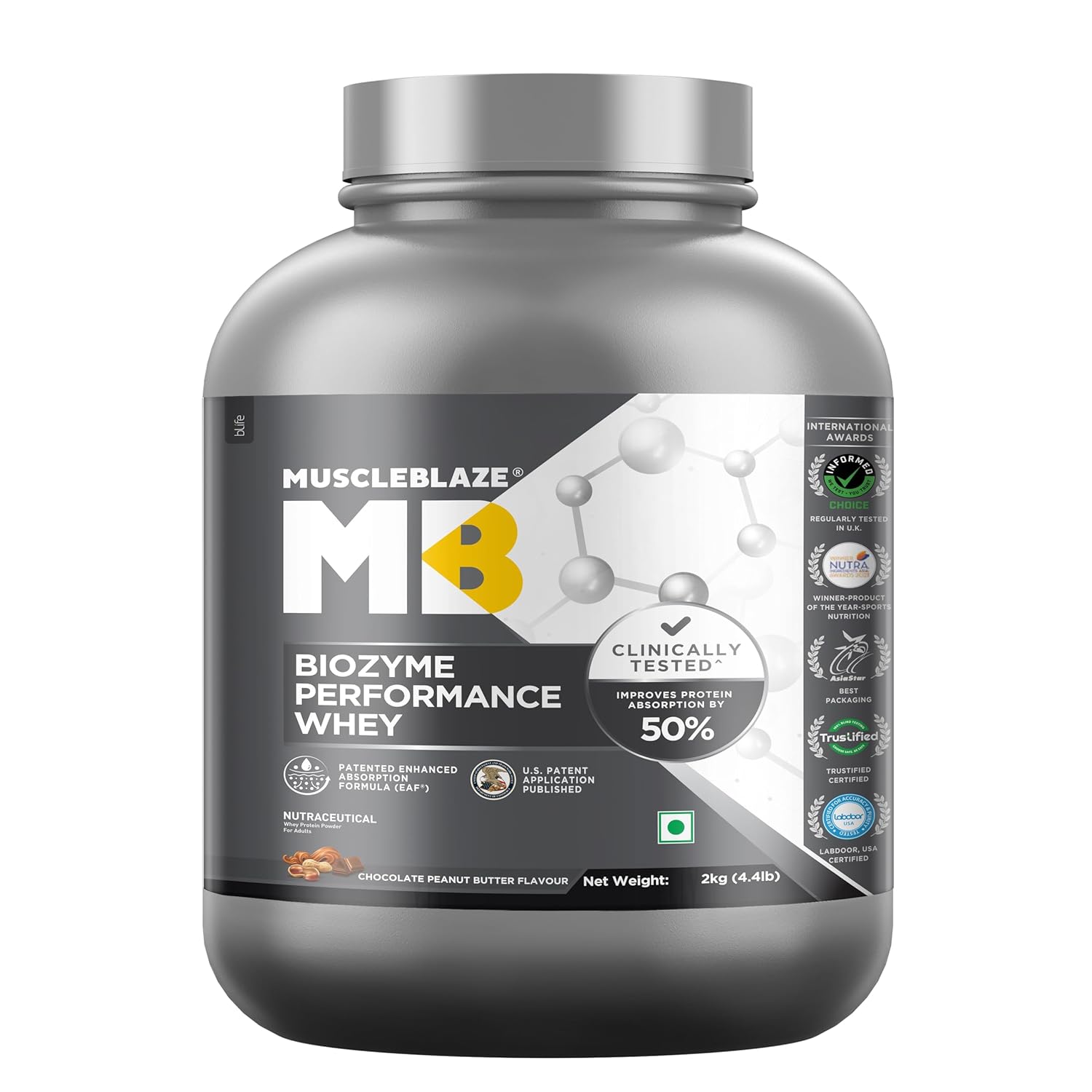

Frequently Asked Questions About Workout Volume
Can I do 6 sets for a single exercise?
In almost all cases, doing 6 working sets on a single exercise is highly inefficient. After the 4th set, your performance drops sharply due to localized muscle fatigue. It is far better to do 3 sets of one exercise, rest, and move to 3 sets of a different exercise that hits the muscle from a fresh angle.
What happens if I perform more than 20 sets in a session?
Performing more than 20 working sets triggers extreme muscle damage without increasing the muscle protein synthesis signal. This delays your recovery, causes joint inflammation, and forces your body into a state of chronic overtraining.
Should I count warm-up sets toward my daily total?
No. Warm-up sets do not count toward your daily or weekly volume metrics. Only count working sets that are performed with a challenging weight at an intensity level of 0 to 3 Reps in Reserve (RIR).
Comments
Post a Comment