

How Much Protein Can Your Body Absorb at Once? The Ultimate Science-Based Guide for Muscle Growth

This idea has forced millions of dedicated lifters to meticulously split their daily food intake into six or seven tiny meals spaced exactly two to three hours apart. It has made eating a hassle and left people terrified of consuming a large steak or a double-scoop protein shake.
But is this rigid threshold actually backed by human physiology, or is it simply a piece of deep-rooted gym myth?
The short answer is: Your body can absorb virtually an unlimited amount of protein at once. However, there is a massive scientific distinction between absorbing protein and utilizing it specifically to build new lean muscle tissue. Let’s dive deep into the metabolic pathways of human digestion, clarify the confusion, and establish exactly how you should distribute your protein intake to maximize lean muscle gains.
1. Defining the Terms: Total Digestion Absorption vs. Muscle Protein Synthesis
To dismantle the 30-gram myth completely, we must first clear up a major linguistic mix-up that has confused the fitness community for generations. People frequently use the words "absorption" and "utilization" interchangeably, but in metabolic science, they mean completely different things.
What is Total Digestion Absorption?
Absorption refers purely to the transit of nutrients from your digestive tract out into your internal circulatory system. When you eat protein—whether it is a chicken breast, a bowl of eggs, or a shake—your stomach uses hydrochloric acid and gastric enzymes to break down those complex protein chains into smaller peptides and individual amino acids.
These amino acids then travel into your small intestine. The intestinal wall is lined with millions of microscopic, finger-like projections called villi.
The epithelial cells on these villi contain specialized transport proteins that actively pump the amino acids out of the gut lumen and directly into your bloodstream via the portal vein.
From a survival standpoint, the human body is an incredibly efficient machine. It does not simply discard valuable macronutrients. Barring a severe gastrointestinal illness or malabsorption disorder, your small intestine has a nearly flawless absorption capacity. If you consume a massive steak containing 80 to 100 grams of protein, your gastrointestinal tract will patiently take all the time it needs to break down and absorb every single gram into your bloodstream. None of it is lost in your stool.
What is Muscle Protein Synthesis (MPS)?
Utilization, specifically regarding fitness, refers to how many of those absorbed amino acids are actually used to construct new muscle tissue via a process called Muscle Protein Synthesis (MPS).
While your gut can absorb 100 grams of protein at once, your skeletal muscle tissue possesses a clear saturating threshold for how much it can use to rebuild tissue from a single feeding. The excess amino acids that do not go toward muscle building aren't wasted; instead, they are routed to other essential bodily tasks.
2. What Happens to Excess Protein When You Eat a Massive Meal?
If your muscles reach a temporary cap for tissue repair during a large meal, where exactly do the remaining amino acids go? Your body utilizes them through several alternative, highly productive metabolic pathways:
Systemic Organ and Tissue Repair: Your liver, kidneys, skin, hair, immune cells, and gastrointestinal lining are under a constant state of cellular turnover. A massive portion of absorbed amino acids is intercepted by these vital organs to maintain baseline health and cellular structure.
Amino Acid Oxidation (Energy Production): If the intracellular amino acid pools are fully saturated, your liver will convert the remaining amino acids into urea through deamination. The carbon skeletons left behind are burned directly as immediate cellular energy (ATP production).
Gluconeogenesis: If your body is low on stored carbohydrates, your liver can convert surplus amino acids into glucose to maintain stable blood sugar levels and fuel your brain.
The Myth of Fat Conversion: While it is biochemically possible for excess amino acids to be converted into fatty acids and stored as adipose tissue, this pathway (lipogenesis) is highly inefficient and energetically costly for the human body. Your body prefers to ramp up amino acid burning rather than storing it as fat.
3. The Muscle Protein Synthesis Saturation Point (The Anabolic Ceiling)
Now let's isolate the muscle-building aspect. How much protein can your skeletal muscles actually use to drive hypertrophy (muscle growth) in one sitting?
Dozens of metabolic studies have investigated this exact question by feeding lifters varying amounts of protein post-workout—ranging from 0 grams up to 40 grams or more—and tracking the direct fractional synthetic rate of muscle tissue.
The 20 to 40 Gram Baseline Findings
For younger adults with average muscle mass, consuming roughly 20 to 30 grams of a high-quality, fast-digesting protein (like whey isolates or egg whites) is enough to maximally stimulate Muscle Protein Synthesis. Adding more protein on top of that baseline does not statistically increase the rate of muscle building.
For older lifters or individuals with exceptional amounts of muscle mass, this threshold increases. Due to a phenomenon called anabolic resistance (where aging muscles require a stronger chemical signal to kickstart repair), older adults often need 40 grams of protein per meal to achieve the exact same muscle-building trigger.
The Leucine Trigger Hypothesis
The primary mechanism dictating this per-meal threshold is known as the Leucine Trigger. Leucine is an essential branched-chain amino acid (BCAA) that acts as a master genetic key.
Leucine Intake Reaches 2.5g - 3g ---> Activates mTORC1 Pathway ---> Muscle Protein Synthesis Fully Turned On
When the concentration of leucine in your bloodstream hits a specific high threshold (typically around 2.5 to 3 grams), it directly activates a cellular signaling complex called mTORC1 (mammalian target of rapamycin complex 1).
Think of mTORC1 as the main construction foreman for your muscles. Once it is turned on, the muscle-building machinery runs at full speed. To get 2.5 to 3 grams of pure leucine from a whole food source, you naturally end up needing to eat roughly 30 to 40 grams of a complete, high-quality animal protein.
4. The 2023 Paradigm Shift: The Intermittent Fasting and Large-Meal Caveat
For years, the 20-to-40-gram per-meal ceiling was accepted as an absolute rule for muscle building. Fitness experts argued that if you ate all your protein in one or two large meals, your muscles would miss out on potential growth phases throughout the day.
However, a groundbreaking, rigorously controlled clinical study published in late 2023 completely upended this assumption.
The 100-Gram Protein Ingestion Study
Researchers took trained athletes and had them consume either 25 grams of protein or a massive 100 grams of protein from milk sources after an intense full-body workout. They tracked their blood levels and muscle tissue over an extended 12-hour window.
The scientific consensus was surprising: the group that consumed 100 grams of protein experienced a prolonged, sustained elevation in amino acid availability and a continuous, highly elevated rate of Muscle Protein Synthesis that lasted for the entire 12 hours.
Why Digestion Speed Changes Everything
Your body adapts its digestive speed based on the sheer volume of food entering your stomach. A small 25-gram whey protein shake digests quickly, spiking your blood amino acids within an hour and clearing out fast.
In contrast, a massive, 100-gram whole-food meal forms a large food mass in your stomach. Your digestive tract slows down its gastric emptying rate dramatically, releasing amino acids into your bloodstream in a slow, steady trickle that can last for half a day.
This means that if you practice Intermittent Fasting or simply prefer eating fewer, larger meals, your body will safely absorb and gradually utilize those large protein doses to support muscle recovery over an extended period.
Per-Meal Protein Delivery: A High-Yield Synthesis
To help you map out your nutritional approach based on different protein distribution models, review the comparative table below:
| Meal Strategy / Protocol | Typical Protein Dosage | Digestion & Systemic Transit Speed | Muscle Protein Synthesis Efficiency | Optimal Fitness Use-Case |
| Frequent Small Feedings | 20g - 30g | Fast transit (1 to 3 hours) | Spikes MPS efficiently, but drops back to baseline quickly. | Ideal for traditional bodybuilding splits and maximizing frequent anabolic windows. |
| Standard Balanced Meals | 40g - 50g | Moderate transit (4 to 6 hours) | Maximally hits the leucine trigger while supporting organ tissue repair. | The optimal sweet spot for sustainable muscle retention and daily energy stability. |
| Massive / Bolus Feedings | 80g - 100g+ | Slow, extended transit (8 to 12+ hours) | Triggers a prolonged, continuous wave of MPS without spilling over into waste. | Perfect for Intermittent Fasting enthusiasts or individuals with busy work schedules. |
5. How to Optimize Your Daily Protein Intake for Maximum Hypertrophy
While your body can adapt to almost any eating frequency, there is still a clear "optimal" roadmap if your primary goal is building the maximum amount of lean muscle tissue as quickly as possible.
To fine-tune your daily protein schedule, implement this science-based strategy:
Step 1: Establish Your Total Daily Goal First
Before worrying about per-meal timing, focus on your total 24-hour intake. The scientific consensus for active lifters is to consume between 1.6 to 2.2 grams of protein per kilogram of body weight (roughly 0.8 to 1.0 grams per pound of total body weight). If you don't hit this overall number, per-meal timing won't matter.
Step 2: Aim for 3 to 5 High-Quality Protein Feedings
To optimize muscle building, space your protein across 3 to 5 meals throughout the day, with each meal containing at least 30 to 40 grams of complete protein. This approach repeatedly hits the leucine trigger and activates the mTORC1 pathway multiple times across a 24-hour period, providing your body with frequent pulses of muscle-building activity.
CHECK OUT - BEST WELLCORE CREATINE FOR MUSCLE-GAINING
Wellcore Pure Micronised Creatine Powder (33 Servings, Tropical Tango) For Enhanced Muscle Strength
Check Price on Amazon


Step 3: Prioritize Protein Quality and Amino Acid Profiles
Ensure your protein sources are complete—meaning they contain all nine essential amino acids. Prioritize whole-food animal proteins like chicken breast, lean beef, fish, and eggs, or high-yield vegetarian options like paneer, tofu, and high-quality whey isolates. If you rely on plant-based proteins, increase your portion sizes slightly to compensate for their naturally lower leucine content.
6. Utilizing Digital Tracking Tools to Perfect Your Macro Intake
Consistently hitting your daily protein targets and distributing them correctly requires accurate planning rather than guesswork. If you want to eliminate confusion, log your meals with precision, or build a meal plan that matches your schedule, our site provides powerful, 100% free digital tools:
Log and Count Your Protein Doses: To monitor your protein distribution across every single meal and track your custom food entries with ease, use our
CAL-TRACK Counter Track the Training That Drives Synthesis: Muscle protein synthesis requires a training stimulus to prioritize growth. Log your sets, reps, and workout intensity using our
WORKOUT-LOG Platform Automate Your Muscle-Building Nutrition: If you want a structured dietary plan that automatically distributes your optimal daily protein across your preferred number of meals, instantly generate one with our
CUSTOM DIET-PLAN-MAKER CHECK OUT - BEST MUSCLEBLAZE WHEY PROTEIN
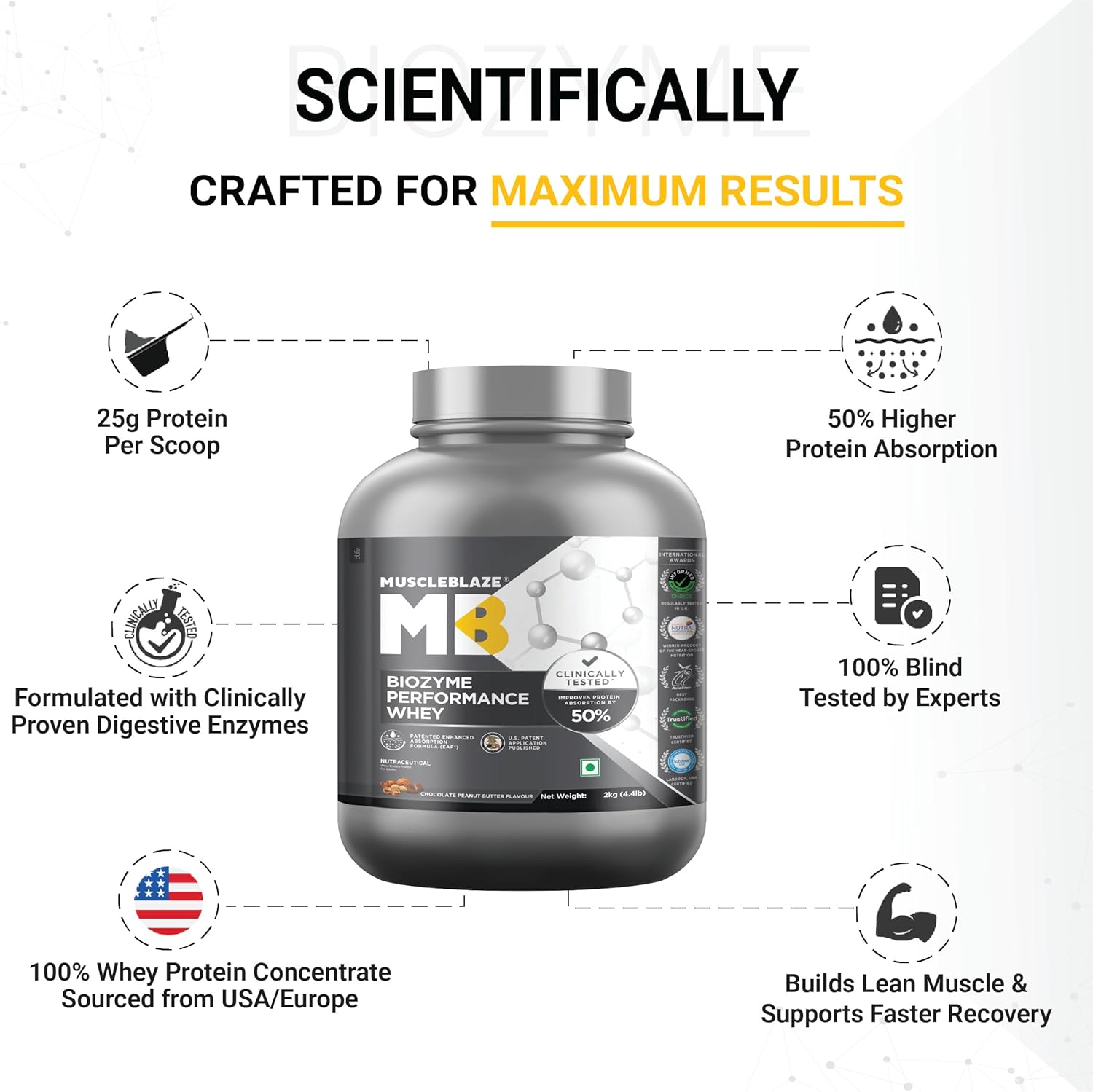
MuscleBlaze Biozyme Performance Whey Protein Powder, Chocolate Peanut Butter (2kg / 4.4lbs) | 25g Protein Per Scoop
Check Price on Amazon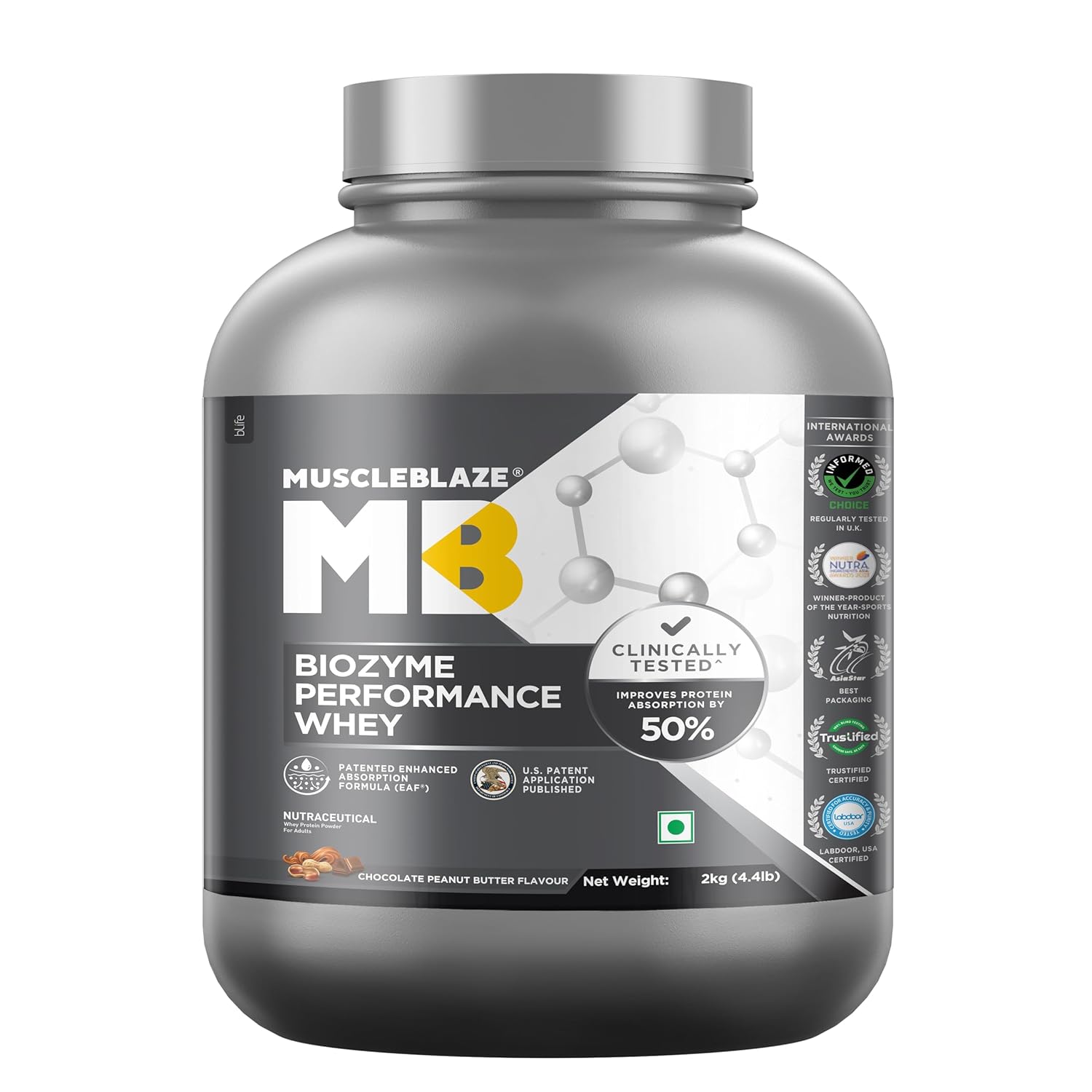

Summary: Focus on Consistency Over Rigid Rules
The 30-gram protein rule is officially a myth. Your body can safely absorb a massive amount of protein in a single sitting, thanks to an adaptable digestive tract that slows down to process larger meals. While hitting a threshold of 30 to 40 grams per meal is ideal for maximizing muscle protein synthesis frequently throughout the day, the most critical factor for long-term progress remains your total daily protein intake. Hit your daily targets consistently, utilize tracking tools to stay accountable, and don't stress over rigid, outdated rules!
Comments
Post a Comment