

How Long Is It Possible to Maintain Muscle Mass Without Training? (SCINTIFIC GUIDE MUST READ IF YOU HAVE TO TAKE A BREAK FROM THE GYM!)

Life happens. Whether you are dealing with a stubborn injury, burning the midnight oil for exams, traveling, or just facing an unavoidable gym break, a pressing question always creeps into every lifter's mind: How long can I maintain my muscle mass without training?
The thought of losing hard-earned gains can be highly stressful. However, sports science brings incredibly reassuring news. If you optimize your nutrition and recovery, your body holds onto lean mass far longer than you think.
By prioritizing a high-protein diet and proper sleep architecture, you can successfully put your physique on ice. Let us dive deep into the physiological timeline of muscle retention, the science of detraining, and the exact protocols you need to preserve your hard-earned muscle mass during an extended break.
The Muscle Retention Timeline: What Happens When You Stop Lifting?
When you step away from iron, your body goes through distinct phases of physiological adaptation. Understanding this exact breakdown helps eliminate the psychological panic of taking a gym hiatus.
Phase 1: Weeks 1 to 3 (The Illusion of Muscle Loss)
During the first 21 days of zero resistance training, you might look in the mirror and feel smaller. Do not panic—this is not actual muscle atrophy (tissue breakdown).
True muscle loss does not typically begin within this window. What you are experiencing is a drop in muscle glycogen levels and intracellular water retention. When you train regularly, your muscles store extra glycogen (carbohydrate energy) and water to power through workouts.
When training stops, your body flushes this excess fluid out because the immediate demand is gone. Your muscle fibers remain completely intact, but they lose their temporary "pumped" volume.
Phase 2: Weeks 3 to 6 (The Retention Buffer Zone)
This is where lifestyle factors decide your physical fate. If a person drops their physical activity, stops eating protein, and cuts down on rest, actual muscle wasting begins here.
However, if you consistently maintain a high-protein diet and secure high-quality sleep, you can easily stretch your muscle retention out to 6 weeks with minimal to zero actual lean tissue loss. Your body recognizes that it has ample building blocks (amino acids) and a recovery-focused hormonal environment, which signals it to preserve lean mass.
Phase 3: Month 2 and Beyond (Gradual Atrophy and Muscle Memory)
Beyond the 6-week mark, the human body begins to slowly downregulate highly metabolically active tissue to conserve daily energy expenditure. Muscle is expensive for your body to keep alive. Without a regular lifting stimulus, gradual atrophy will set in.
The saving grace here is a biological phenomenon known as muscle memory, driven by myonuclear permanence. When you originally built muscle through progressive overload, your muscle fibers fused with new satellite cells, permanently increasing the number of nuclei inside the tissue.
Even when the muscle fiber shrinks in volume due to a prolonged break, those gained nuclei stay there for years. When you eventually return to training, your body skips the slow process of building new nuclei and immediately goes to work filling out the existing structure. You can rebuild months of lost muscle size in a fraction of the time it took to build originally.
The Power of a High-Protein Diet for Muscle Retention
To preserve skeletal muscle mass when mechanical tension (lifting weights) is removed, you must maximize the secondary driver of muscle protein synthesis (MPS): amino acid availability.
When you eat protein, your body breaks it down into amino acids, particularly the essential amino acid Leucine. Leucine acts as a chemical ignition switch for the mTOR path (mammalian target of rapamycin), which tells your cells to build and protect muscle tissue.
Without gym sessions to activate mTOR, high protein intakes must do the heavy lifting to keep muscle breakdown at bay.
+------------------------------------------------------------+
|                THE MUSCLE MAINTENANCE BALANCE              |
+------------------------------------------------------------+
|                                                            |
|  [TRAINING STATE]                                          |
|  Lifting Stimulus + Moderate Protein = Muscle Maintenance  |
|                                                            |
|  [DETRAINING STATE (NO GYM)]                               |
|  NO Lifting + HIGH Protein + Deep Sleep = Muscle Saved     |
|                                                            |
+------------------------------------------------------------+
Optimal Protein Intake Targets during a Break
During a lifting phase, a standard recommendation is 1.6 to 2.2 grams of protein per kilogram of body weight. However, when you are completely sedentary or on a break, increasing your target to 2.0 to 2.4 grams per kilogram is highly advantageous.
Because you lack the strong training stimulus that protects tissue, elevated amino acid levels act as an anabolic safety net against muscle catabolism (muscle breakdown).
| Food Source | Protein Content | Key Benefit for Muscle Retention |
| Soya Chunks | ~52g per 100g | Extremely high leucine and total amino profile for tissue repair |
| Chicken Breast | ~31g per 100g | Lean, highly bioavailable protein that keeps calories under control |
| Paneer / Cottage Cheese | ~18g per 100g | Packed with slow-digesting Casein protein for sustained overnight release |
| Whole Eggs | ~6g per large egg | Contains vital healthy fats that keep your natural hormone production optimal |
| Whey Protein | ~24-25g per scoop | Rapidly spikes blood amino acid levels to trigger muscle protection |
Caloric Intake: Surplus, Deficit, or Maintenance?
To maximize muscle retention during an extended break, you should strictly aim for caloric maintenance.
Why a deficit is dangerous: Eating in a calorie deficit while not lifting weights forces your body to look inward for energy. Without a heavy lifting stimulus to prove the muscle is functional, your body will readily break down muscle tissue for fuel.
Why an excessive surplus is sub-optimal: Eating in a large calorie surplus without a training stimulus will not build or save muscle; it will simply result in rapid body fat accumulation.
To calculate your precise maintenance requirements, monitor your daily metrics and adjustments cleanly using the digital tools available on
CHECK OUT - BEST MUSCLEBLAZE WHEY PROTEIN
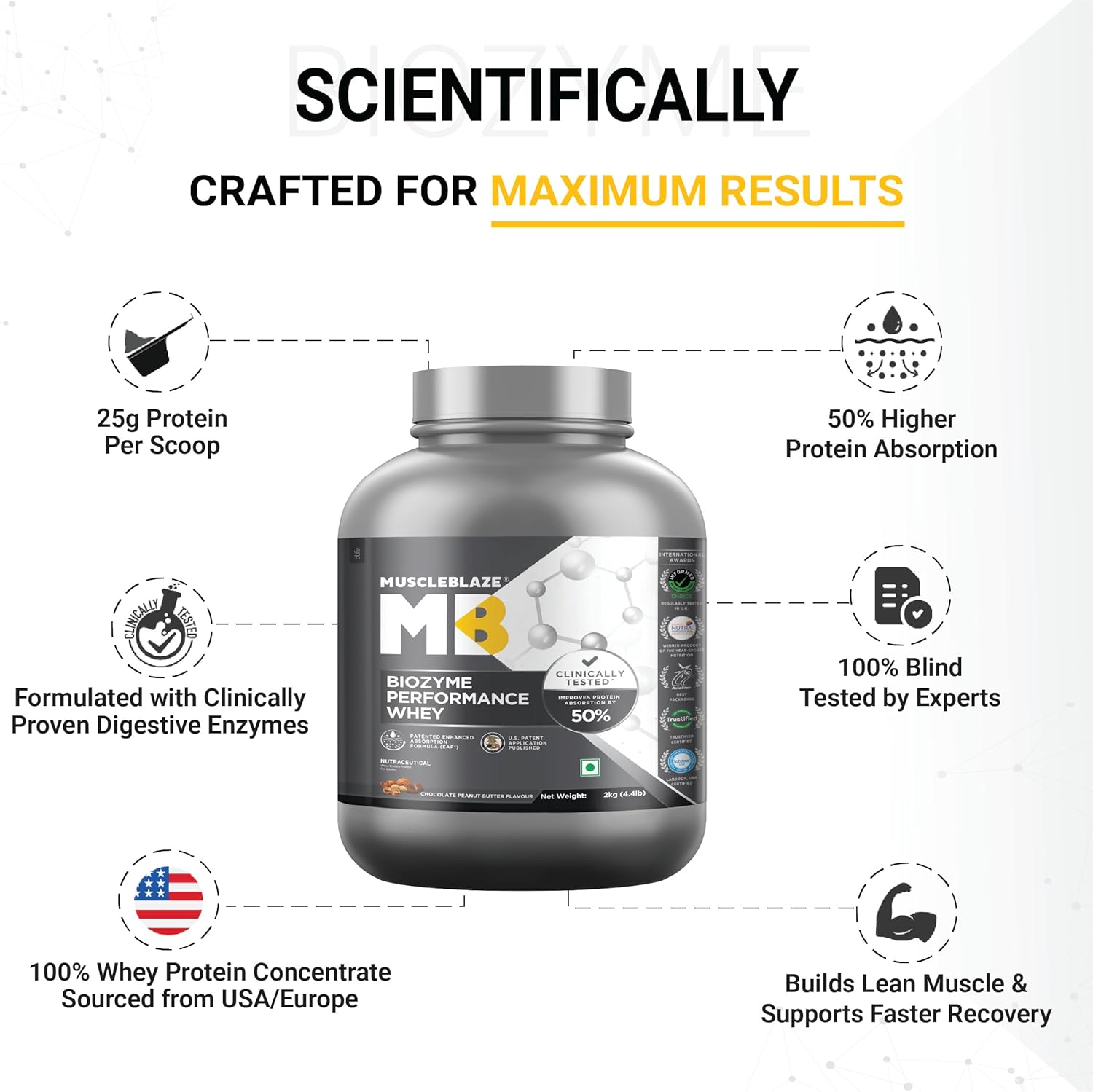
MuscleBlaze Biozyme Performance Whey Protein Powder, Chocolate Peanut Butter (2kg / 4.4lbs) | 25g Protein Per Scoop
Check Price on Amazon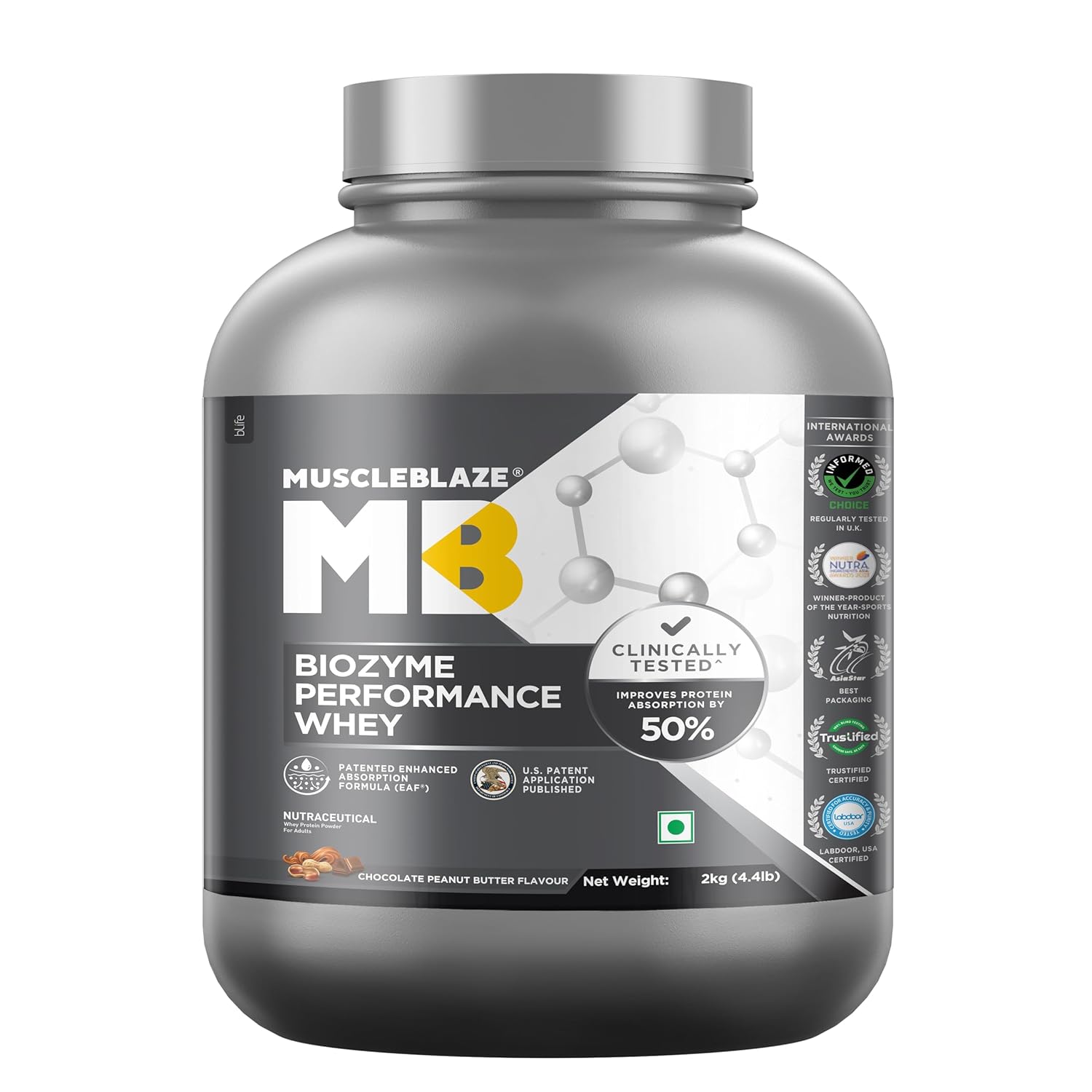

Proper Sleep Architecture: The Ultimate Anti-Catabolic Shield
While protein provides the raw material, sleep provides the ideal hormonal environment required to preserve lean tissue. Sleeping 7 to 9 hours of high-quality, uninterrupted rest per night serves as a natural defensive shield against muscle wasting.
The Hormonal Impact of Sleep Deprivation
When you cut your sleep short or experience disrupted rest, your endocrine system experiences a harsh shift:
Cortisol Spikes: Sleep deprivation dramatically raises your systemic levels of cortisol, the primary stress hormone. Cortisol is highly catabolic; it actively accelerates muscle protein breakdown and inhibits protein synthesis pathways.
Growth Hormone Drops: Your body releases up to 75% of its daily human growth hormone (HGH) output during deep, slow-wave sleep. HGH is a powerful regulator of tissue preservation and cellular repair. Restricting deep sleep directly diminishes this vital protective hormone.
Testosterone Decline: Chronic sleep restriction (5 hours or less per night) can lower natural testosterone levels by up to 10-15% in just one week, stripping your body of its primary muscle-retaining hormone.
To keep these metrics perfectly aligned, aim to optimize your bedtime habits. Ensure your room is completely dark, avoid digital screens for 60 minutes before hitting the mattress, and stick to a consistent sleep schedule to safeguard your physique during breaks.
Actionable Strategies to Prevent Muscle Loss Without Weights
If you are stuck away from your favorite commercial gym setup, you do not have to sit back and watch your progress pause. You can utilize simple strategic actions to extend your muscle retention timeline almost indefinitely.
+-------------------------------------------------------------------+
|               STRATEGIC PROTOCOLS FOR RECOVERY BREAKS             |
+-------------------------------------------------------------------+
|                                                                   |
|  [HIGH-PROTEIN FEEDING]   --> Consistently consume 2g+ per kg     |
|                                                                   |
|  [CALORIC MAINTENANCE]   --> Balance energy via CAL-TRACK         |
|                                                                   |
|  [SLEEP TRACKING]         --> Secure 8 hours of deep restful sleep |
|                                                                   |
|  [MINIMAL STIMULUS]       --> Perform basic bodyweight movements  |
|                                                                   |
+-------------------------------------------------------------------+
1. Incorporate Minimal Stimulus Workouts
Research shows that it takes only a fraction of your regular training volume to maintain existing muscle mass. While your goal might be zero gym training, executing simple bodyweight movements at home takes less than 10 minutes and can keep muscle pathways highly active.
Try implementing regular push-ups, bodyweight squats, or pull-ups a few times a week. If you need help structuring a basic, time-efficient bodyweight tracking routine to log these movements effortlessly, utilize the free tracker on
2. Distribute Protein Intakes Evenly
Do not consume all your daily protein in one or two massive meals. To maintain elevated levels of blood amino acids throughout the day, distribute your intake across 4 to 5 distinct meals spaced 3 to 4 hours apart.
Each meal should contain at least 30 to 40 grams of high-quality protein to repeatedly hit the leucine threshold needed to trigger muscle retention signals.
3. Keep Neat (Non-Exercise Activity Thermogenesis) High
When people stop going to the gym, they often become completely sedentary, which can cause insulin sensitivity to drop. Make an effort to maintain a steady daily step count (around 7,000 to 10,000 steps). Walking is low-intensity, generates zero central nervous system fatigue, preserves blood flow to your muscles, and assists with overall nutrient partitioning.
Structuring the Ideal Muscle-Preserving Daily Blueprint
To bring all these elements together into a cohesive strategy, let us lay out a practical, highly efficient daily routine designed specifically to maintain optimal muscle mass during your time away from structural lifting programs.
The Ideal Maintenance Routine
07:00 AM: Wake up after a solid 8-hour sleep cycle. Drink 500ml of water to rehydrate.
08:30 AM (Meal 1): High-protein breakfast featuring 4 whole eggs, a bowl of oats, and 30g of soy chunks or a scoop of whey protein.
12:30 PM (Meal 2): Balanced lunch with 150g grilled chicken breast or paneer, served alongside a clean source of complex carbohydrates like basmati rice and mixed green vegetables.
04:30 PM (Meal 3): Mid-day snack consisting of roasted chana, a protein shake, or a serving of Greek yogurt to keep the body's pool of amino acids elevated.
05:00 PM (Optional Minimal Stimulus): Spend 5-10 minutes performing a few sets of high-effort bodyweight push-ups or pull-ups to signal to the body that the lean mass is still actively needed.
08:30 PM (Meal 4): Final calorie-balanced dinner comprising lean fish, dal, or a substantial paneer dish accompanied by whole-grain flatbreads.
10:30 PM: Shutdown all digital screens, optimize room temperature, and begin a relaxing wind-down routine to maximize deep sleep efficiency.
CHECK OUT - BEST WELLCORE CREATINE FOR MUSCLE-GAINING
Wellcore Pure Micronised Creatine Powder (33 Servings, Tropical Tango) For Enhanced Muscle Strength
Check Price on Amazon


To customize this schedule around your lifestyle, dietary choices, or dietary restrictions (such as vegetarian or vegan diets), you can create an entirely personalized structure using the automated features on the
Key Takeaway: You will not lose your hard-earned muscle over a 2 to 3-week gym break. By keeping your daily protein intake high, hitting your maintenance calories, and prioritizing regular, deep sleep, you can successfully preserve your physique for up to 6 weeks with total confidence. Stay consistent with your habits, leverage your muscle memory, and focus on recovery so you can return to the iron stronger than ever before.
Comments
Post a Comment