

How Much Should You Really Lift? - How Much Should You Really Lift?

In the pursuit of physical excellence, whether you are a power-hungry strength athlete or a bodybuilder aiming for the perfect aesthetic, one question dominates the conversation: How much is enough? We often hear the phrase "no pain, no gain," leading many to believe that more is always better. However, science tells a different story. Understanding training volume is the difference between consistent progress and chronic plateaus.
This guide will break down the science of volume, how to calculate it, and how to apply it to your training, regardless of your experience level.
What is Training Volume?
At its core, training volume is a measure of the total workload performed during a training session or over a week.
Volume = Sets x Reps x Weights
A "hard set" is defined as a set performed within 0–3 reps of muscular failure.
The Science of "Effective Volume"
The goal of your training should be to maximize effective volume.
Research consistently shows a "dose-response" relationship between volume and hypertrophy, but there is a ceiling. Doing more sets does not linearly increase growth.
Recommended Weekly Volume Targets
Science suggests that for most natural lifters, the "sweet spot" for maximizing muscle growth lies between 10 and 20 hard sets per muscle group per week.
| Muscle Group | Weekly Volume Recommendation (Hard Sets) |
| Chest | 9–18 sets |
| Back | 12–30 sets |
| Quadriceps | 9–18 sets |
| Hamstrings | 6–12 sets |
| Side Deltoids | 9–18 sets |
| Biceps | 6–12 sets |
| Triceps | 6–12 sets |
| Forearms | 6–18 sets |
Note: These ranges are starting points. Advanced lifters may require more, while beginners may thrive at the lower end of these ranges.
CHECK OUT - BEST WELLCORE CREATINE FOR MUSCLE-GAINING
Wellcore Pure Micronised Creatine Powder (33 Servings, Tropical Tango) For Enhanced Muscle Strength
Check Price on Amazon


Key Principles for Managing Volume
1. Frequency Matters
It is often more effective to spread your weekly volume across multiple sessions rather than cramming it all into one.
2. Intensity and Proximity to Failure
Volume without intensity is useless.
3. Progressive Overload
Volume is only one piece of the puzzle. You must pair your volume with progressive overload. This means gradually increasing the weight, reps, or control over time.
4. Managing Fatigue and Recovery
If you are constantly sore, feeling lethargic, or seeing your performance drop session-to-session, you are likely exceeding your Maximum Recoverable Volume (MRV). Listen to your body. Monitor your sleep, mood, and gym performance. If these markers decline, take a deload week—a planned period of reduced volume to allow your body to supercompensate.
How to Implement This in Your Routine
To take control of your training, stop guessing. Use tools to track your progress accurately.
Track Your Calories & Macros Log Your Workouts Build Your Diet Plan
FAQ: Common Questions on Training Volume
Is high-volume training better for strength?
Generally, no. Strength is highly specific. Strength athletes (like powerlifters) often benefit from lower volume at very high intensities (1–5 reps, 85%+ of 1RM) to master the movement pattern and maximize force output.
What if I am a beginner?
If you have been training for less than a year, start at the lower end of the volume recommendations (e.g., 6–10 sets per muscle per week). Your body is highly sensitive to stimulus, and you do not need excessive volume to see rapid gains.
How do I know when to increase volume?
If your recovery is on point, your sleep is good, and you have stopped making progress in weight or reps for 2–3 weeks, it may be time to add 1–2 sets to your lagging body parts.
CHECK OUT - BEST MUSCLEBLAZE WHEY PROTEIN
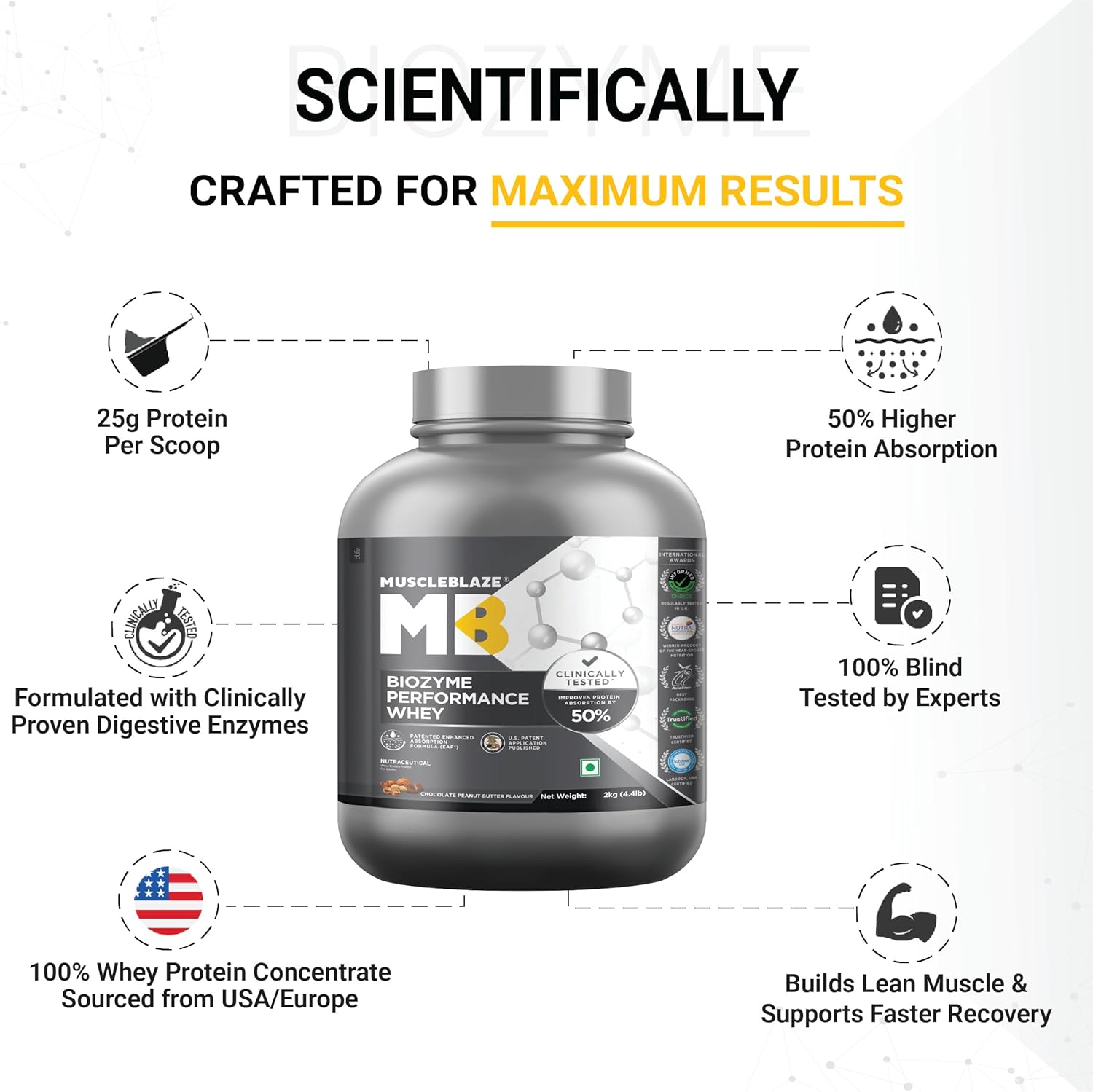
MuscleBlaze Biozyme Performance Whey Protein Powder, Chocolate Peanut Butter (2kg / 4.4lbs) | 25g Protein Per Scoop
Check Price on Amazon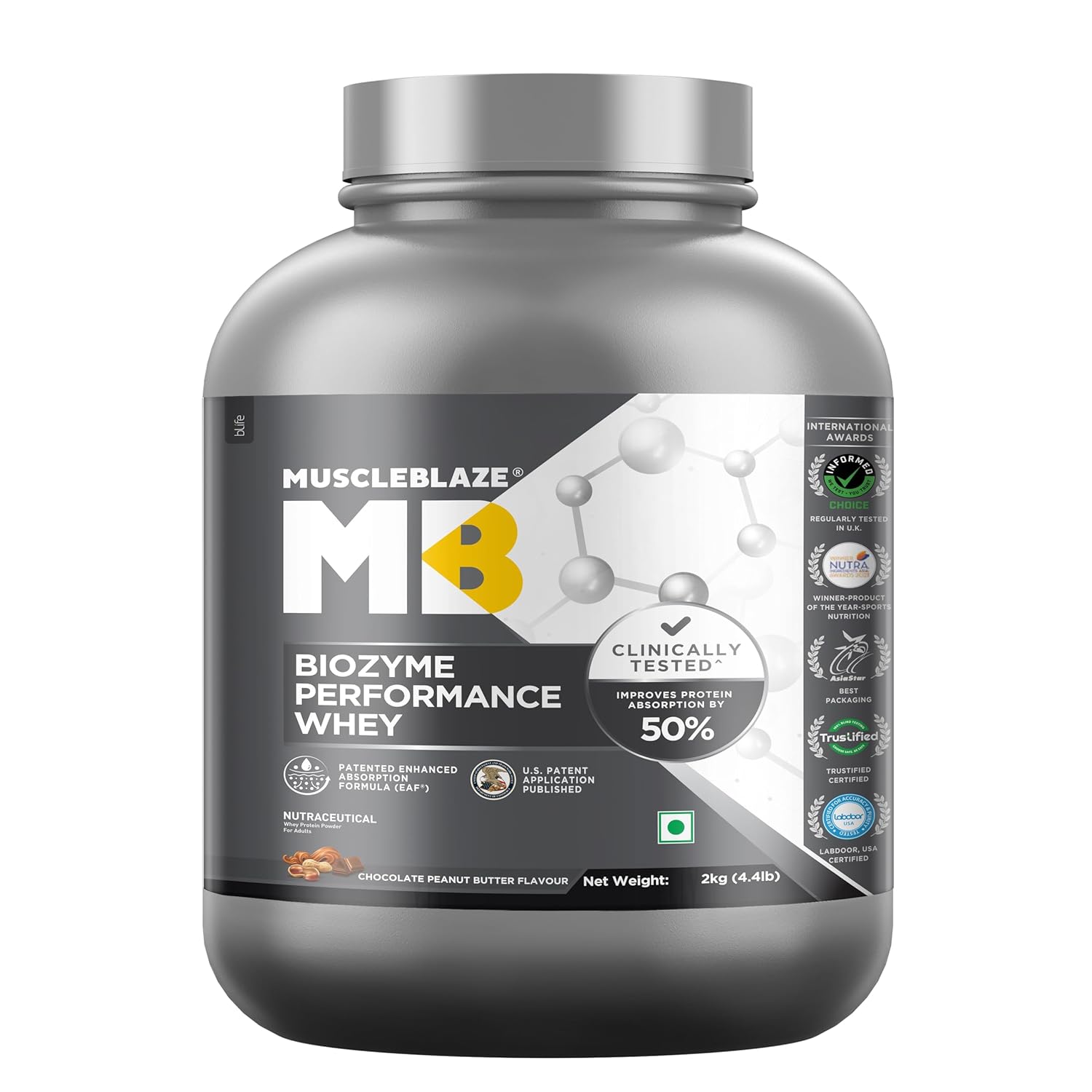

Comments
Post a Comment