

Calories in Indian Snacks That Ruin Fat Loss
Many fitness enthusiasts across India face a highly frustrating problem: they hit the gym consistently, track their main meals perfectly, yet their fat loss progress remains completely stalled. The culprit is almost never your standard breakfast, lunch, or dinner. Instead, it is the silent, uncounted calories lurking inside traditional Indian snacks that systematically destroy your daily caloric deficit. When trying to shed stubborn body fat, maintaining an accurate energy balance is non-negotiable, but standard Indian snacking habits make this incredibly difficult due to deceptive portion sizes and hidden fats. Understanding where these hidden surpluses come from is the first major step toward reclaiming your physique goals and unlocking consistent progress on your weight loss journey.
Why Untracked Indian Snacks Completely Stall Fat Loss Progress
The Illusion of Healthy and Light Snacking Options
We often categorize items like roasted makhana, puffed rice (bhel), or baked chiwda as completely harmless, low-calorie diet foods. This is a massive psychological trap because "healthy" does not mean calorie-free. For instance, while plain makhana is low in calories, the commercial packaged versions are heavily coated in palm oil or clarified butter (ghee) to make the spices stick. A single handful of seemingly innocent roasted makhana can easily pack over 150 to 200 calories without providing any significant satiety. When you consume these multiple times throughout the day without logging them, you unconsciously wipe out the 300-400 calorie deficit you worked so hard to create through your main meals and intense workouts.
Deep-Fried Fats and High Glycemic Carbohydrate Combinations
Traditional street food snacks like samosas, kachoris, and pakodas are a lethal combination of refined wheat flour (maida) and oxidized vegetable oils. Refined carbohydrates cause a rapid spike in blood glucose and insulin levels, which promotes fat storage and triggers sudden hunger crashes shortly after consumption. Furthermore, deep-frying causes these items to absorb enormous amounts of dense dietary fat. Since fat contains 9 calories per gram compared to just 4 calories per gram for protein and carbs, even a tiny portion of a fried snack yields an incredibly high caloric density that fails to trigger your body’s fullness signals, leading to chronic overeating and metabolic slowdown.
Deep Dive Into Common Calorie Dense Indian Snacks
To gain complete control over your daily energy intake, you must understand the exact nutritional breakdown of what you are consuming. Many of these popular choices are staples in Indian households but are heavily loaded with fats and processed carbs that completely derail your metabolic progress if left untracked. Tracking these small inputs is essential if you want to avoid hitting a stubborn fat loss plateau.
| Snack Item | Typical Serving Size | Calories (Approx) | Macronutrient Profile (P / C / F) | Primary Hidden Danger |
|---|---|---|---|---|
| Samosa | 1 Large Piece (120g) | 320 - 350 kcal | 5g P / 40g C / 18g F | Deep-fried maida shell holding oxidized oil |
| Diet Chiwda / Poha Mixture | 1 Cup (50g) | 230 - 260 kcal | 4g P / 32g C / 11g F | Packaged options contain heavy oil misting |
| Aloo Tikki | 2 Medium Pieces | 300 - 330 kcal | 4g P / 38g C / 15g F | Shallow fried in open commercial oil vats |
| Haldiram Bhujia / Sev | 1 Small Bowl (50g) | 280 - 300 kcal | 6g P / 22g C / 20g F | Extreme calorie density from palm oil frying |
| Banana Chips | 1 Small Bowl (50g) | 260 - 280 kcal | 2g P / 30g C / 16g F | Fried in coconut oil, immense serving scale |
| Digestive Biscuits | 3 Biscuits (30g) | 140 - 160 kcal | 2g P / 21g C / 7g F | Contains hidden sugar and hydrogenated fats |
CHECK OUT - BEST MUSCLEBLAZE WHEY PROTEIN
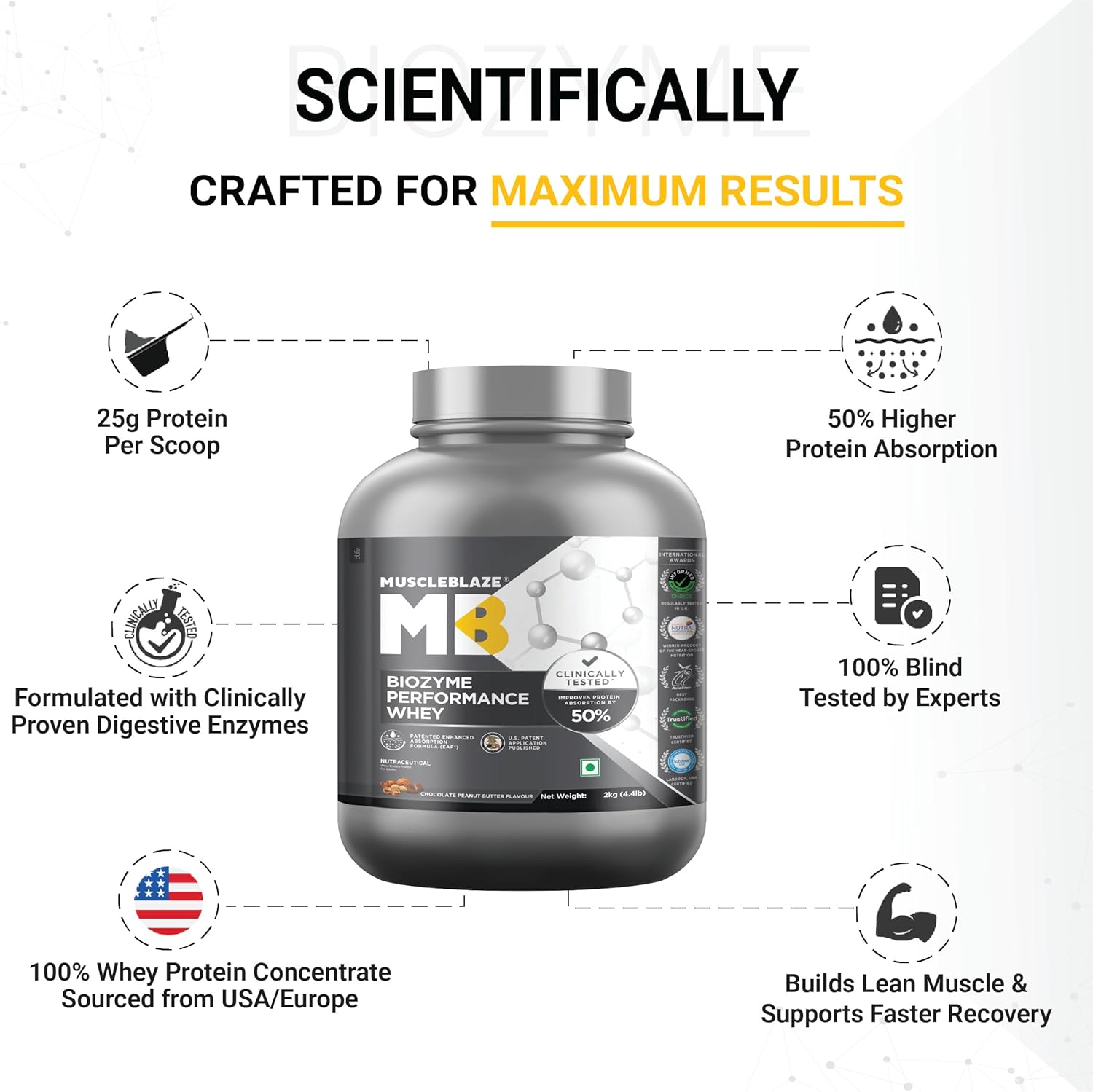
MuscleBlaze Biozyme Performance Whey Protein Powder, Chocolate Peanut Butter (2kg / 4.4lbs) | 25g Protein Per Scoop
Check Price on Amazon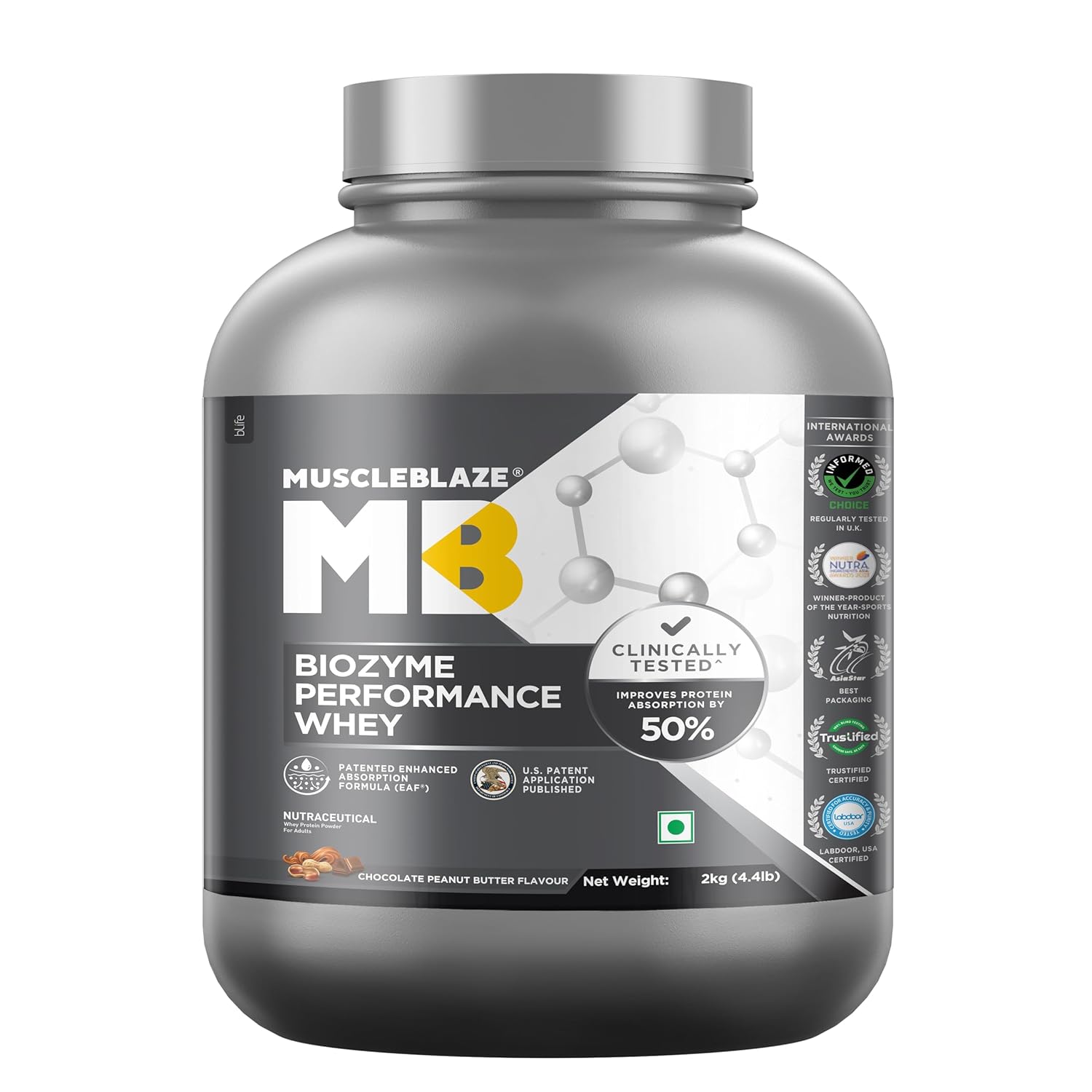

The Dangerous Hidden Calorie Modern Culprits Exposed
Commercial Roasted Namkeens and Packaged Mixtures
The fitness food market is packed with items labeled "baked," "roasted," or "diet." However, food manufacturers routinely use deceptive tactics to optimize flavor while keeping food laws satisfied. To ensure that spices adhere to dry-roasted ingredients like oats, cornflakes, or grams, factories spray them with a fine mist of highly processed vegetable oils. While the front of the packaging boldly screams "Zero Cholesterol" or "Baked Healthy Snack," checking the back nutritional panel reveals a totally different story. The high fat content and serving sizes are broken down into unrealistically small numbers, meaning an average snacker eats three to four times the stated serving size in one sitting without ever realizing it.
Indian Tea and Coffee Culture Accompaniments
Drinking chai or coffee twice a day is a deeply ingrained cultural ritual in almost every Indian household. The liquid calories themselves are already substantial if you use full-cream buffalo milk and refined white sugar. However, the real threat to your fat loss goals is the accompanying biscuits, rusks, or khari biscuits. Dipping two standard biscuits into your morning and evening chai adds an extra 300 to 400 empty calories to your day. These baked treats rely heavily on trans fats, partially hydrogenated vegetable oils, and high-fructose corn syrup to stay shelf-stable. They do nothing to build lean muscle tissue, completely fail to provide biological satiety, and instantly shrink your target fat loss deficit to zero.
Traditional Chutneys and Condiments
People frequently overlook the calorie content of condiments because they view them as simple toppings or side additions. Sweet tamarind chutney (imli chutney) is loaded with jaggery or commercial liquid glucose, turning a single tablespoon into a high-calorie sugar bomb. Similarly, restaurant-style green mint chutney often uses a base of full-fat yogurt, heavy cream, or ground peanuts to achieve a thick, smooth texture. Pouring these dressings generously over your snacks can easily add 100 to 150 untracked calories to an otherwise clean, low-calorie protein meal, completely blunting your daily weight loss progress.
How to Transition to High Protein Fat Loss Snacks
The Scientific Power of Protein and Dietary Fiber
To permanently stop overeating during your afternoon slumps, you must prioritize foods that have a high thermic effect of food (TEF) and elevate your natural satiety hormones like peptide YY and GLP-1. Protein requires your body to burn roughly 20-30% of its consumed calories just to digest and process it, whereas fats and carbohydrates require only 0-3% and 5-10% respectively. By switching from oil-heavy carbs to lean protein and high-fiber alternatives, you actively keep your metabolic rate elevated while keeping biological hunger completely at bay, allowing you to drop fat without constantly feeling starved.
CHECK OUT - BEST WELLCORE CREATINE FOR MUSCLE-GAINING
Wellcore Pure Micronised Creatine Powder (33 Servings, Tropical Tango) For Enhanced Muscle Strength
Check Price on Amazon


Top Tier Indian Fat Loss Snacks to Incorporate Daily
Swapping out processed namkeens for nutrient-dense, single-ingredient whole foods is the ultimate game-changer for fat loss. Excellent fat loss snacks include boiled black chana chaat loaded with raw vegetables, air-fried or dry-roasted paneer cubes with minimal ghee, boiled egg whites sprinkled with black pepper, or dry-roasted soy chunks. These options provide your body with the essential amino acids needed to retain lean muscle tissue while making sure you stay comfortably full for several hours on a lower total caloric budget, protecting your hard work in the gym.
Utilizing Free Online Digital Tools to Guarantee Fat Loss Success
You cannot manage what you do not measure. Guessing your food portions or tracking by eye is the fastest way to hit a frustrating weight loss plateau. To eliminate the guesswork entirely and guarantee your daily caloric deficit is completely accurate, you should leverage the advanced, free digital tracking resources available on **Rahul Lifters**.
First, to properly monitor every single gram of food you eat—including those sneaky, hidden oils and evening snacks—make sure to use the completely free CAL-TRACK Calories and Macros Counter. This comprehensive tool allows you to log custom Indian foods, easily find your optimal target intakes, and log exactly what you eat so hidden ingredients never compromise your fat loss goals again.
Next, to ensure your physical training matches up perfectly with your specific fat loss phase, you can track your consistency, sets, reps, and direct cardio metrics inside the free WORKOUT-LOG Tracking Tool. Keeping a detailed log ensures your gym intensity stays high so you preserve your hard-earned muscle mass while burning body fat efficiently.
Finally, if you want a complete, step-by-step nutritional blueprint tailored entirely to your budget and personal eating style without any guesswork, check out the CUSTOM DIET-PLAN-MAKER. Whether you prefer a vegetarian, vegan, or non-vegetarian approach, this tool designs a structured meal layout that keeps you full, hitting your protein targets, and losing weight smoothly.
Conclusion and Actionable Steps For Consistent Fat Loss
Eliminating hidden snack calories is not about starving yourself or completely cutting out the foods you love. It is about building deep nutritional awareness and using modern data tracking tools to stay fully accountable. By identifying the hidden oils, processed carbohydrates, and sugars in your daily routine, you can easily make smart whole-food swaps that keep you in a steady caloric deficit. Use a digital food scale, log your snacks honestly, and align your nutrition with a structured workout routine to break through your fat loss plateaus permanently.
Frequently Asked Queries and Comprehensive FAQs
Question: Is roasted makhana safe to eat daily during a strict fat loss phase?
Answer: Yes, plain fox nuts (makhana) are an exceptionally high-fiber, low-calorie snack option when dry-roasted at home without oil. However, you must avoid pre-packaged, commercial flavored versions, as they are heavily sprayed with processed oils and artificial sodium to preserve freshness, which rapidly increases their total calorie density and ruins your deficit.
Question: How do liquid calories in regular Indian chai impact body fat accumulation?
Answer: Regular chai brewed with full-cream buffalo milk and refined white sugar adds roughly 100 to 150 calories per cup. Drinking multiple cups a day creates a large, untracked calorie surplus that can easily stall fat loss. To mitigate this, switch to skimmed cow's milk or a low-calorie zero-sugar sweetener option like stevia.
Question: Can I eat commercial baked diet chips while trying to lose weight?
Answer: Most commercial diet chips are highly deceptive. While they are baked rather than deep-fried, they still rely on refined flours, starches, and oil coatings to maintain a satisfying texture. This makes them incredibly calorie-dense and easy to overeat, meaning they should be replaced with single-ingredient whole foods like boiled legumes or roasted chana.
Question: Why does eating deep-fried snacks cause sudden extreme hunger shortly after?
Answer: Deep-fried snacks are typically packed with high-glycemic refined carbohydrates and lack high-quality protein or dietary fiber. This combination causes a rapid spike in your blood sugar levels followed by an equally sudden insulin crash, which signals your brain to trigger powerful hunger cravings shortly after eating, leading to a vicious cycle of overeating.
Comments
Post a Comment