

Do Daily Cardio Can Cause Muscle-Loss? The A-to-Z Connection Between Cardio and Muscle-Loss

For many fitness enthusiasts, the goal is simple yet challenging: build a physique that is both muscular and lean. This dual pursuit often leads to a common debate in the gym: Does doing daily cardio cause muscle loss? You have likely heard rumors that excessive cardiovascular exercise will "eat away" at your hard-earned muscle, turning your intense hypertrophy sessions into a waste of time.
At
Why People Fear Cardio?

The fear that cardio causes muscle loss stems from the concept of the "interference effect." This suggests that the molecular pathways activated by endurance training (which improves aerobic capacity) may inhibit the molecular pathways activated by resistance training (which builds muscle).
While this effect exists at a molecular level, its practical impact on the average gym-goer is often vastly overstated. Let’s break down the mechanics:
The Energy Equation
Muscle tissue is metabolically expensive to maintain. If you perform excessive amounts of high-intensity cardio without consuming enough calories to compensate for the additional energy expenditure, your body will inevitably look for alternative fuel sources.
Caloric Deficit: If you are in an extreme caloric deficit, your body may catabolize muscle tissue for amino acids to create glucose (gluconeogenesis).
Fuel Usage: During prolonged cardio, the body prioritizes glycogen and, eventually, fatty acids. If you have been lifting heavy and your protein intake is low, muscle breakdown can occur.
The Comparison: Cardio and Muscle Retention
| Cardio Type | Effect on Muscle Retention | Best For |
| LISS (Low Intensity) | Minimal interference | Fat loss & recovery |
| HIIT (High Intensity) | Higher impact on recovery | Cardiovascular conditioning |
| Excessive Volume | High risk of overtraining | Elite endurance athletes |
How to Do Cardio Without Losing Muscle

The good news is that you do not need to choose between a strong heart and a muscular physique. The key is in programming.
1. Prioritize Resistance Training
If your primary goal is muscle gain, weightlifting should always come first. Perform your cardio after your workout or on separate days. This ensures that your central nervous system (CNS) is primed for heavy lifts. If you are doing intense cardio before your legs day, your squats will suffer, which directly hinders your ability to build muscle.
2. Monitor Your Total Volume
Doing "daily cardio" does not necessarily mean running for an hour every day. Start with low-impact, steady-state cardio (LISS) like walking. Walking is highly effective for burning calories without taxing your recovery systems or triggering significant muscle breakdown.
3. Nutrition is Your Safety Net
If you increase your cardio, you must increase your nutrition. You cannot expect to maintain muscle mass if you add an extra 300 calories of activity but keep your caloric intake the same. Use our
CHECK OUT - BEST MUSCLEBLAZE WHEY PROTEIN
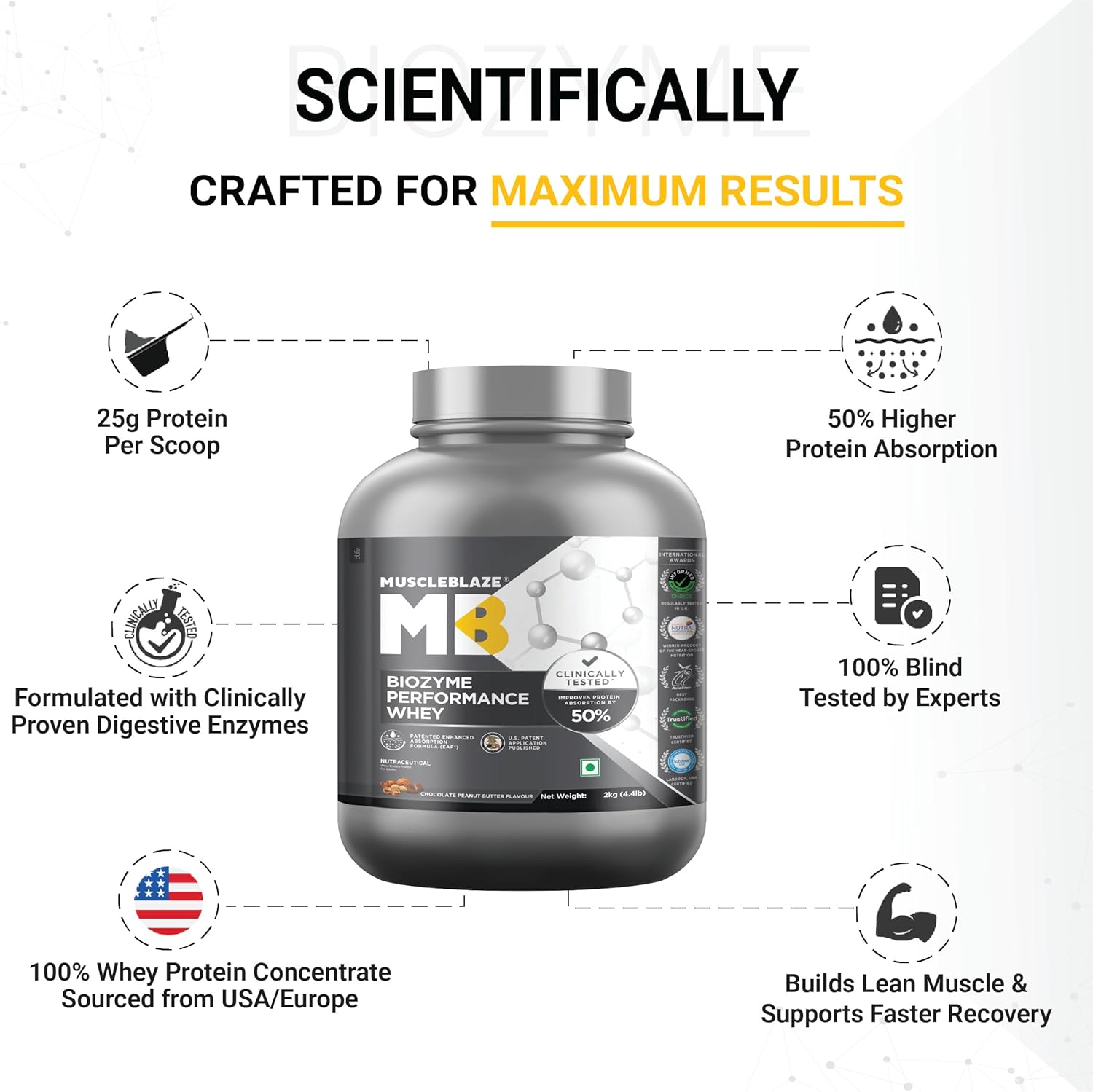
MuscleBlaze Biozyme Performance Whey Protein Powder, Chocolate Peanut Butter (2kg / 4.4lbs) | 25g Protein Per Scoop
Check Price on Amazon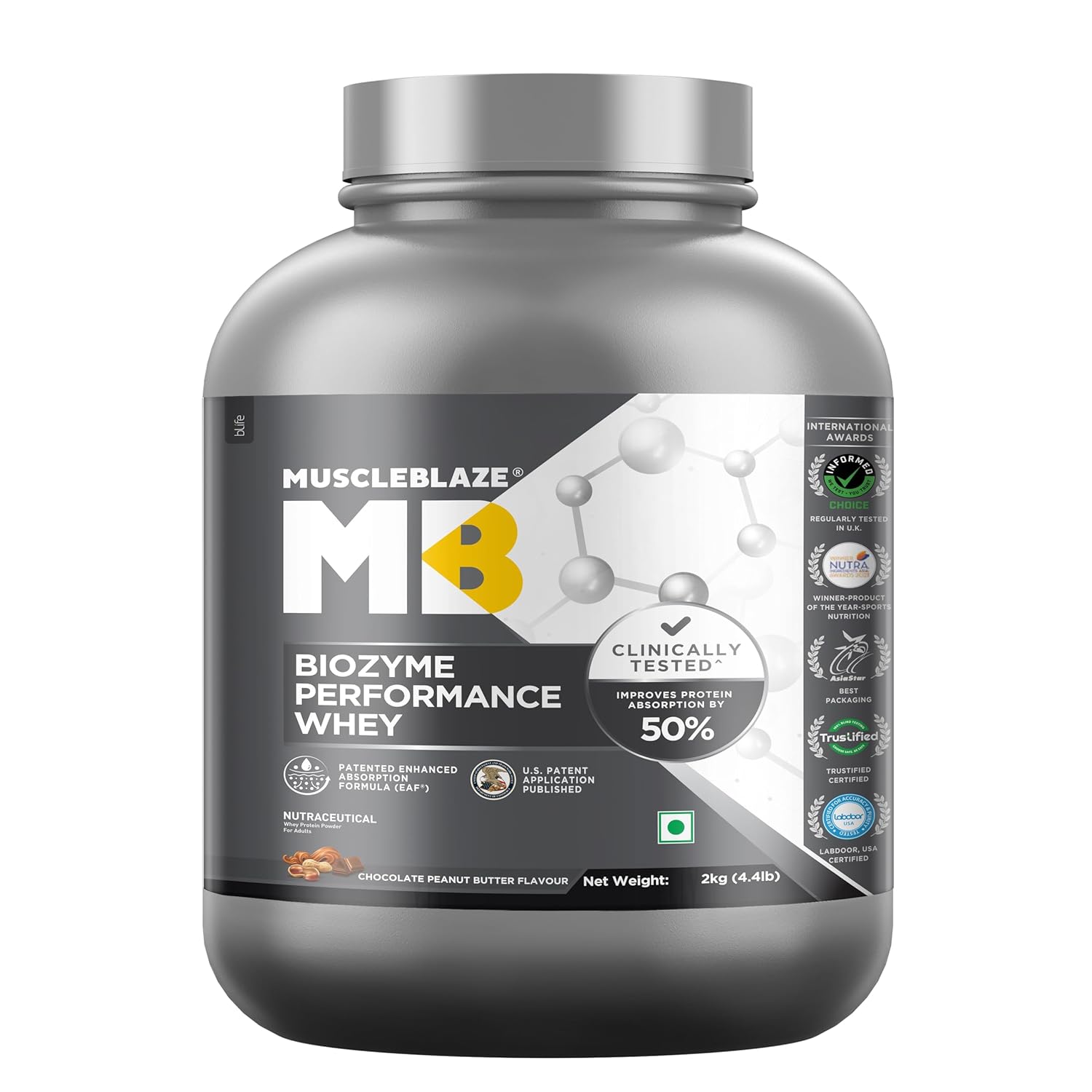

Understanding the "A-to-Z" of Muscle Loss
A: Adaptation
The body adapts to the stress you place on it. If you only do cardio, your body adapts to be efficient at endurance. If you only lift, it adapts to be strong.
C: Cortisol
Chronic, excessive cardio can increase cortisol levels. Cortisol is a catabolic hormone that, in high amounts, can inhibit testosterone and promote muscle breakdown. Keeping cardio sessions efficient prevents this spike.
M: Macronutrients
Protein is your shield. During periods of increased activity, ensure your protein intake remains at the high end (1.6g–2.2g per kg of body weight) to provide the building blocks necessary for repair. Use our
Integrating Tools for Success
Tracking is the difference between guessing and progressing. If you are worried about muscle loss, you need to track your training load and your intake simultaneously.
CLICK HERE TO USE OUR WORKOUT-LOG CLICK HERE TO USE OUR CALORIES/MACROs COUNTER CHECK OUT - BEST WELLCORE CREATINE FOR MUSCLE-GAINING
Wellcore Pure Micronised Creatine Powder (33 Servings, Tropical Tango) For Enhanced Muscle Strength
Check Price on Amazon


Frequently Asked Questions (FAQ)
Can I do cardio every day?
Yes, provided the intensity is manageable. Walking is excellent for daily health. However, if you are doing daily high-intensity sprints, you will likely compromise your recovery.
How much cardio is "too much"?
If you feel constantly fatigued, your strength is dropping in the gym, and you are not recovering between sessions, you are doing too much. Listen to your body and scale back.
Is HIIT better than LISS for muscle retention?
LISS is generally better for those focused on muscle gain because it is less fatiguing for the nervous system. HIIT is great for time-efficiency but requires more recovery time.
Final Thoughts: Finding Your Balance
The myth that cardio is "evil" for lifters is outdated. When programmed intelligently, cardio improves your work capacity, enhances your recovery, and helps you stay leaner—allowing your muscle definition to stand out.
Don't sacrifice your gains to fear-mongering. Use our tools to track your progress, prioritize your recovery, and keep your protein intake high. By focusing on smart, sustainable habits, you can build a powerful, athletic physique that performs just as well as it looks.
Comments
Post a Comment