

Does Cooking Reduce Calories and Macros? (AtoZ Scientific Guide)

One of the most common points of confusion in bodybuilding and fat loss nutrition is whether the caloric and macronutrient values of food change during cooking. You weigh 100 grams of raw chicken breast, throw it in a pan, and notice it weighs only 70 grams when cooked. Did you just lose precious protein? If you bake a potato, do the carbohydrates alter?
Understanding exactly how thermal processing affects food structure is crucial for accurate tracking. If you are tracking your metrics closely, getting this wrong can stall your progress entirely.
This scientific guide breaks down the physics and chemistry of how cooking affects macronutrients, explains the phenomenon of water loss vs. nutrient loss, and gives you a definitive blueprint for logging your food accurately every single time.
The Core Scientific Principle: Mass vs. Macronutrients
When food undergoes cooking, it changes weight, texture, and volume. However, a change in total weight does not automatically mean a change in macronutrient content.
The fundamental rule of thermal cooking is simple:
Cooking primarily drives out water or absorbs cooking oil. It does not magically destroy structural protein or create new carbohydrates.
When a food item shrinks during cooking, it is almost always due to moisture evaporation. Water has zero calories. Therefore, losing water concentrates the remaining nutrients, making the food item more calorie-dense per gram after it is cooked, even though the absolute macro count of the original piece remains unchanged.
Protein: What Happens During Heating?
For anyone focused on muscle building, safeguarding protein intake is priority number one. A frequent fear is that high heat "destroys" protein. Let's look at the actual biochemistry.
1. Protein Denaturation
Applying heat to an animal or plant protein breaks the weak chemical bonds holding its complex three-dimensional structure together. This process is called denaturation. The tightly coiled amino acid chains unfold into linear structures.
Denaturation does not destroy the protein; in fact, it makes it more bioavailable. Uncoiled amino acid chains are far easier for your stomach's pepsin enzymes to attack and break down, allowing faster assimilation into your bloodstream.
2. Moisture Evaporation and Shrinkage
As meat cooks, the tightly bound muscle fibers (myosin and actin) contract and squeeze out trapped cellular water. This is why a chicken breast shrinks in size. The water evaporates into the pan, but the structural amino acids remain securely locked inside the meat.
3. Extreme Heat and Charring (The Maillard Reaction)
There is a limit where protein quality can actually degrade. When you heavily char, burn, or deep-fry meat at extreme temperatures, the amino acids bind tightly with surface sugars. This is known as the Maillard reaction. While it creates a delicious crust, excessive charring can turn a tiny fraction of the protein into unabsorbable compounds (and cyclic amines), but the percentage lost in standard cooking is clinically insignificant.
Carbohydrates: Gelatinization and Resistant Starch
Thermal processing changes the molecular architecture of carbohydrates significantly, directly impacting how rapidly your body digests them and how many net calories you absorb.
1. Starch Gelatinization
In raw foods like potatoes, rice, and oats, carbohydrates exist as tightly packed, crystalline starch granules that are highly resistant to human digestion. When cooked in water, these granules absorb moisture, swell, and burst. This process—gelatinization—unravels the complex glucose chains, making it incredibly easy for your pancreatic amylase enzymes to convert them into blood glucose.
2. The Creation of Resistant Starch (Cooling Effect)
If you cook a carbohydrate source (like white rice or potatoes) and then let it cool down in the refrigerator for several hours, a fascinating biochemical process called retrogradation occurs.
As the food cools, the unraveled starch chains recrystallize into a unique structural form known as Resistant Starch. Your small intestine cannot break down resistant starch; it passes directly into the large intestine where it acts as prebiotic fiber.
The Caloric Drop: Standard starch yields 4 calories per gram. Resistant starch yields only roughly 2 calories per gram.
The Impact: Cooling cooked starches can reduce the net absorbable calories of the food by 10% to 15%.
Fats: Melting Points and Oxidation
Fats are highly sensitive to thermal energy. Cooking can either drastically decrease or drastically increase the fat content of a meal depending entirely on your preparation method.
1. Rendering (Fat Loss)
When you grill, roast, or pan-sear fatty meats like minced beef, bacon, or chicken thighs, the solid animal lipids reach their melting points. This liquefied fat drips away from the meat into the bottom of your pan or grill. If you discard this liquid fat, you can successfully reduce the total caloric density of the meat by 10% to 30%.
2. Lipid Absorption (Fat Gain)
Conversely, frying or sautéing food in added lipids (olive oil, butter, ghee, coconut oil) causes the food matrix to absorb the cooking medium like a sponge. Since fat contains 9 calories per gram, even a single unmeasured tablespoon of oil absorbed by your food can accidentally add over 100 hidden calories to your plate.
In-Depth Analysis: Raw vs. Cooked Profiles
To see exactly how cooking alters nutrient density through water loss or gain, let's look at the scientific data for key bodybuilding staples in a clean, mobile-first breakdown layout.
Chicken Breast (Water Loss / Shrinkage)
Raw State (100g): * Calories: 120 kcal
Protein: 23g
Fat: 1.5g
Water Weight: High (~75%)
Cooked State (100g yielding ~75g cooked):
Total Macros: Remain exactly the same (120 kcal, 23g P, 1.5g F)
Crucial Realization: If you accidentally weigh 100g of cooked chicken breast assuming it matches raw data, you are actually consuming roughly 31g of protein and 160 calories because the meat is now completely dehydrated and highly concentrated.
White Rice (Water Absorption / Expansion)
Raw State (100g):
Calories: 360 kcal
Carbohydrates: 80g
Protein: 7g
State: Tightly packed dry grain
Cooked State (100g raw yields ~300g cooked):
Total Macros: Remain exactly the same (360 kcal, 80g C, 7g P)
Crucial Realization: If you cook 100g of raw rice and try to eat only 100g of the final boiled rice, you are only getting about 26g of carbohydrates and 120 calories. The remaining 200g of weight on your plate is pure, calorie-free tap water.
Lean Ground Beef 90/10 (Fat Rendering Loss)
Raw State (100g):
Calories: 176 kcal
Protein: 20g
Fat: 10g
Pan-Broiled State (Drained Fat):
Calories: Drops to ~150 kcal
Protein: Remains 20g
Fat: Drops to ~7g
Crucial Realization: Grilling or pan-searing allows fat to liquefy and separate from the meat fibers, lowering the final absorbable calorie count.
Whole Large Egg (Chemical Bond Changes Only)
Raw State (50g Egg):
Calories: 72 kcal
Protein: 6.3g (Only ~50% bioavailable raw)
Boiled State (50g Egg):
Calories: 72 kcal
Protein: 6.3g (~91% bioavailable cooked)
Crucial Realization: An egg does not absorb or lose significant water when boiled inside its shell. The macronutrients remain identical, but your body can physically absorb twice as much of the protein once heat denatures the anti-nutrient avidin.
Soya Chunks (Extreme Water Expansion)
Raw Dry State (100g):
Calories: 345 kcal
Protein: 52g
Carbohydrates: 33g
Boiled & Hydrated State (Yields ~300g total weight):
Total Macros: Remain exactly the same (345 kcal, 52g P, 33g C)
Crucial Realization: Soya chunks expand dramatically as they soak up water. Weighing them raw gives you an accurate reading of their intense density before water dilutes the weight metrics.
CHECK OUT - BEST WELLCORE CREATINE FOR MUSCLE-GAINING
Wellcore Pure Micronised Creatine Powder (33 Servings, Tropical Tango) For Enhanced Muscle Strength
Check Price on Amazon


The Definitive Guide to Tracking Accurately
To completely prevent tracking errors that could stall your fitness journey, implement these three golden scientific tracking rules.
Rule 1: Always Weigh Your Food RAW Whenever Possible
Weighing food in its raw, unprocessed state is the absolute gold standard of accuracy. Raw food tracking completely eliminates the unpredictable variables of cooking times, temperatures, pan moisture loss, and human error. 100 grams of raw chicken breast will always have exactly 23 grams of protein, whether you grill it until it is juicy or accidentally bake it until it resembles cardboard.
Rule 2: Use "Cooked" Database Entries If You Must Weigh Cooked
If you are eating out, traveling, or forgot to weigh your food before throwing it into a giant family meal, you must explicitly use a dedicated cooked entry in your tracking app (e.g., "Chicken Breast, Cooked, Grilled"). These entries use mathematical averages to account for standard fluid loss, ensuring you do not under-eat or over-eat.
Rule 3: Track Every Gram of Cooking Liquid Separately
Never eyeball your cooking oils. If you use one tablespoon of butter or oil to lubricate your frying pan, you must log that specific oil entry directly into your daily totals. Assume your food absorbs at least 80% to 90% of the pan lipids unless a noticeable pool of liquid oil is left completely behind.
How Cooking Affects Overall Micronutrient Loss
While macronutrients (proteins, carbs, fats) survive cooking incredibly well, micronutrients (vitamins and minerals) are much more delicate.
Water-Soluble Vitamins: Vitamin C and B-complex vitamins are highly sensitive to heat and liquids. Boiling vegetables or meats causes these vitamins to leach out directly into the cooking water. If you pour that water down the sink, those micronutrients are lost forever.
Fat-Soluble Vitamins: Vitamins A, D, E, and K are highly stable at standard cooking temperatures and do not leach into boiling water.
Minerals: Potassium, calcium, and magnesium are heat-stable, but they can easily leach into boiling water just like water-soluble vitamins.
To preserve these crucial micronutrients, choose cooking methods that minimize water contact, such as steaming, air-frying, or pressure-cooking.
Frequently Asked Questions
Why does my food weigh less after cooking?
Your food weighs less because high heat evaporates the cellular water content inside the food matrix. The structural protein, carbs, and base macros do not disappear; they simply become more tightly packed together as moisture leaves.
Does toasted bread have fewer calories than regular bread?
No. Toasting bread evaporates the residual water molecules within the crumb structure, making the slice lighter and crispier. The carbohydrate molecules remain completely unchanged. The only exception is if you burn the toast to a black crisp, which destroys a negligible amount of carbohydrate mass through carbonization.
Does raw protein powder lose quality if baked into recipes?
No. Baking whey or plant protein into protein bars, pancakes, or oats denatures the structural protein bonds, but it does not destroy the individual amino acids. Your body will digest and absorb the amino acids from a baked protein pancake just as effectively as it would from a cold protein shake.
Is it better to eat raw vegetables for fewer calories?
While raw vegetables require slightly more thermal energy for your stomach to break down, the difference is incredibly minor. Cooking vegetables breaks down tough cellulose walls, which actually makes it easier for your body to absorb their beneficial vitamins, minerals, and antioxidants.
Actionable Takeaways for Your Fitness Goals
Water dictates weight, not macros: Food shrinkage means water loss (higher concentration of macros per gram). Food expansion means water gain (lower concentration of macros per gram).
Stick to raw entries: Lock in your baseline measurements by weighing your meats, rice, oats, and potatoes when they are completely raw and dry.
Account for your oils: Acknowledge that cooking oils can silently double the caloric values of your meals if they are not tracked strictly.
Keep your progress structured: If you need a reliable framework to track these values effortlessly, make sure to use our
CAL-TRACK tool to add custom raw or cooked food profiles.Design your meals effectively: If you want an automated system that structures your raw and cooked requirements perfectly based on your macro targets, check out our free
CUSTOM DIET-PLAN-MAKER .Log your output: Ensure your daily training remains perfectly aligned with your clean nutritional calculations by updating your progressive lifting targets directly inside our
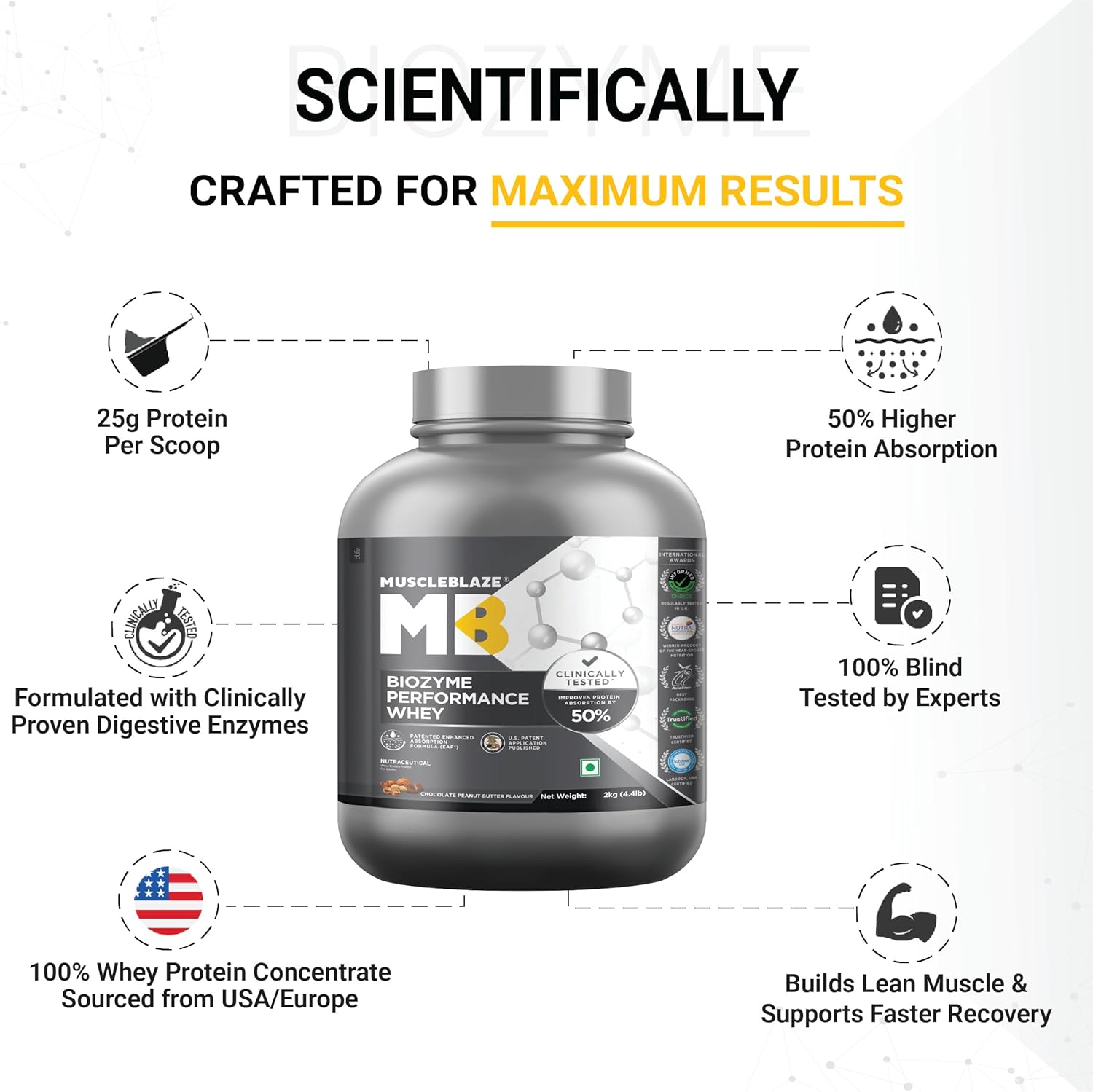
WORKOUT-LOG !CHECK OUT - BEST MUSCLEBLAZE WHEY PROTEIN
MuscleBlaze Biozyme Performance Whey Protein Powder, Chocolate Peanut Butter (2kg / 4.4lbs) | 25g Protein Per Scoop
Check Price on Amazon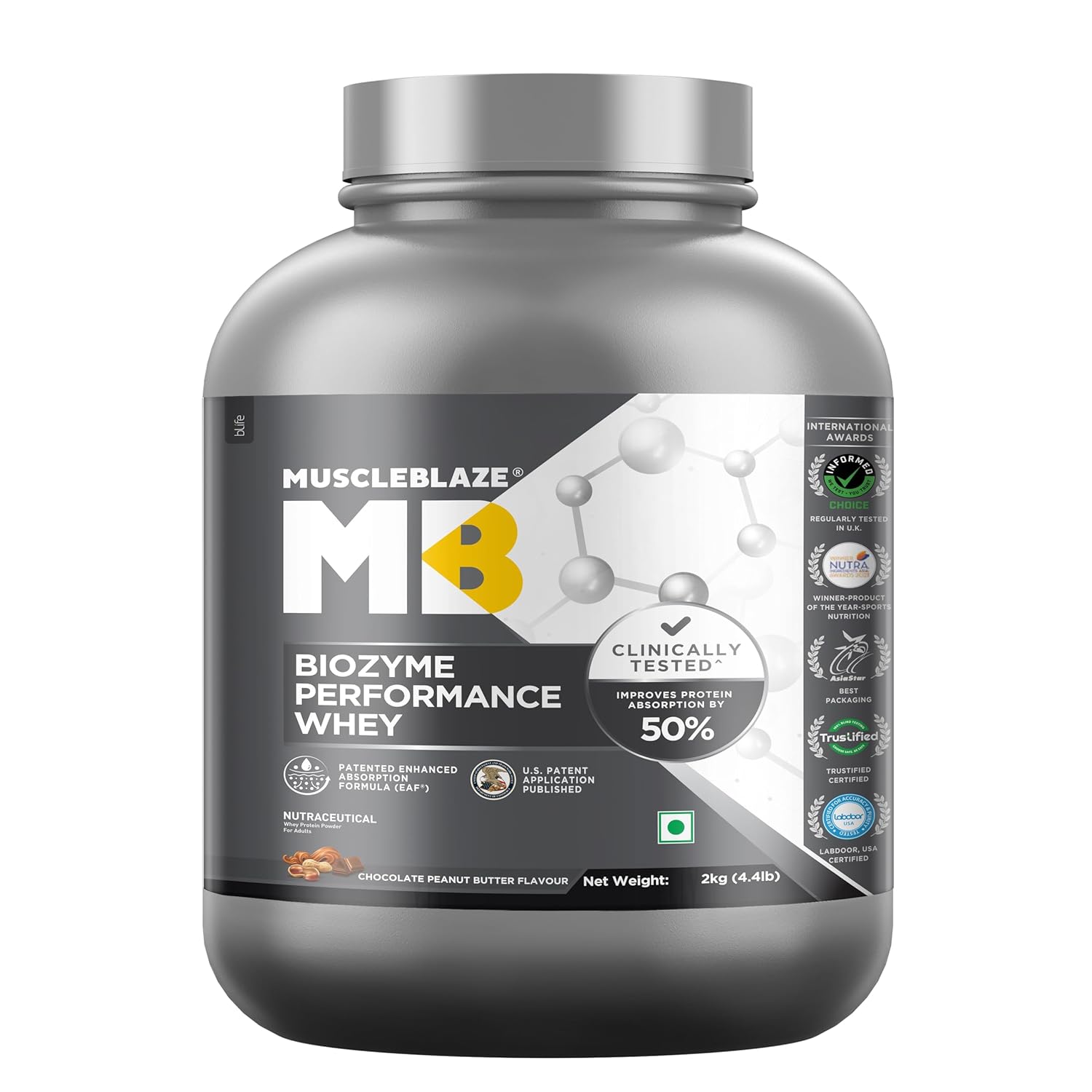

Comments
Post a Comment