

ARE YOU OVER-TRAINING? CHECK-OUT THIS AND KNOW
📤SHARE WITH YOUR GYM PARTNERS IF YOU FOUND IT HELPFULL.

Signs That You Are Overtraining
Introduction
Training hard feels productive. But training too hard without enough recovery can stop muscle growth, slow fat loss, and even increase injury risk.
CHECK OUT - BEST MUSCLEBLAZE WHEY PROTEIN
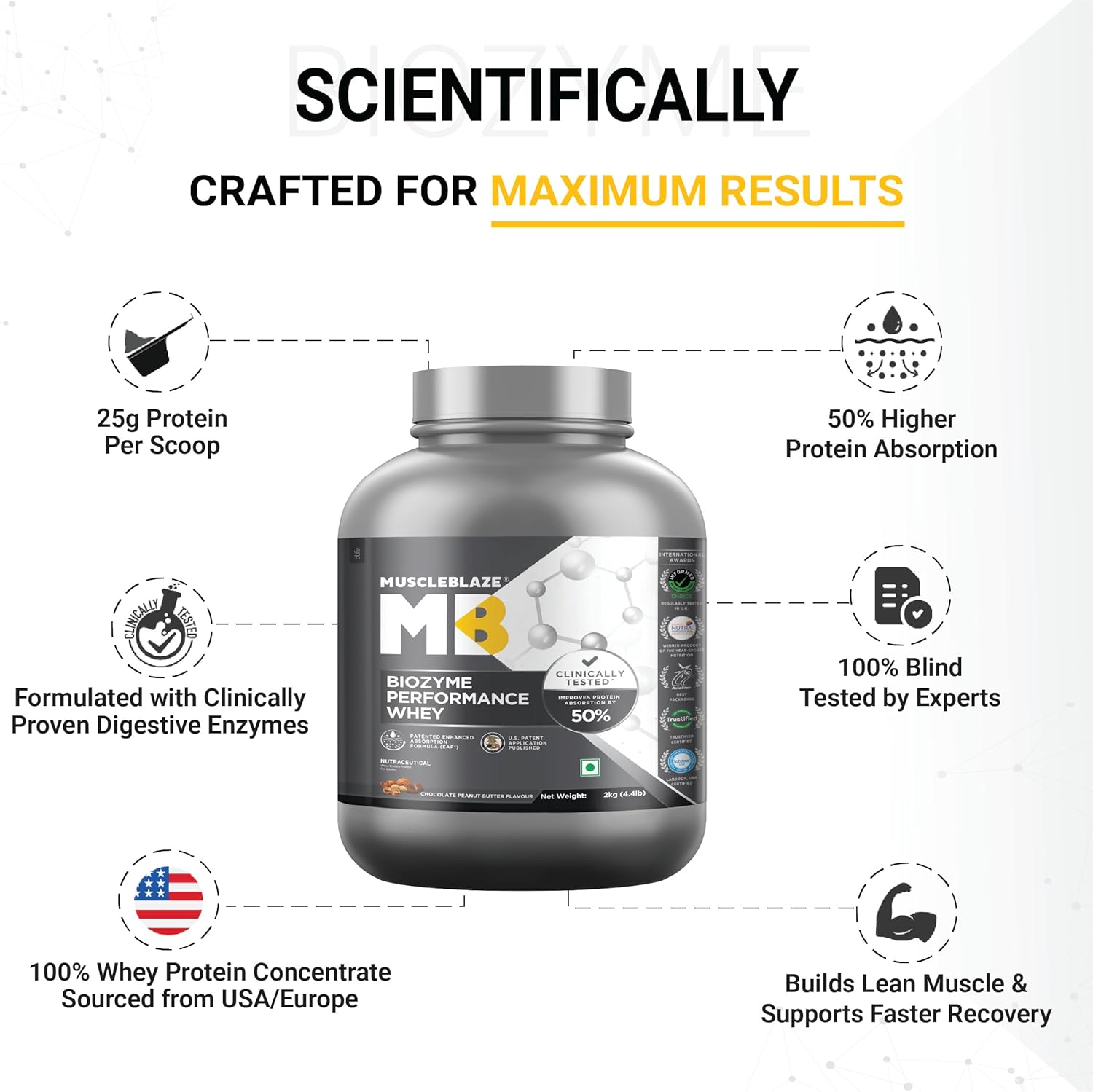
MuscleBlaze Biozyme Performance Whey Protein Powder, Chocolate Peanut Butter (2kg / 4.4lbs) | 25g Protein Per Scoop
Check Price on Amazon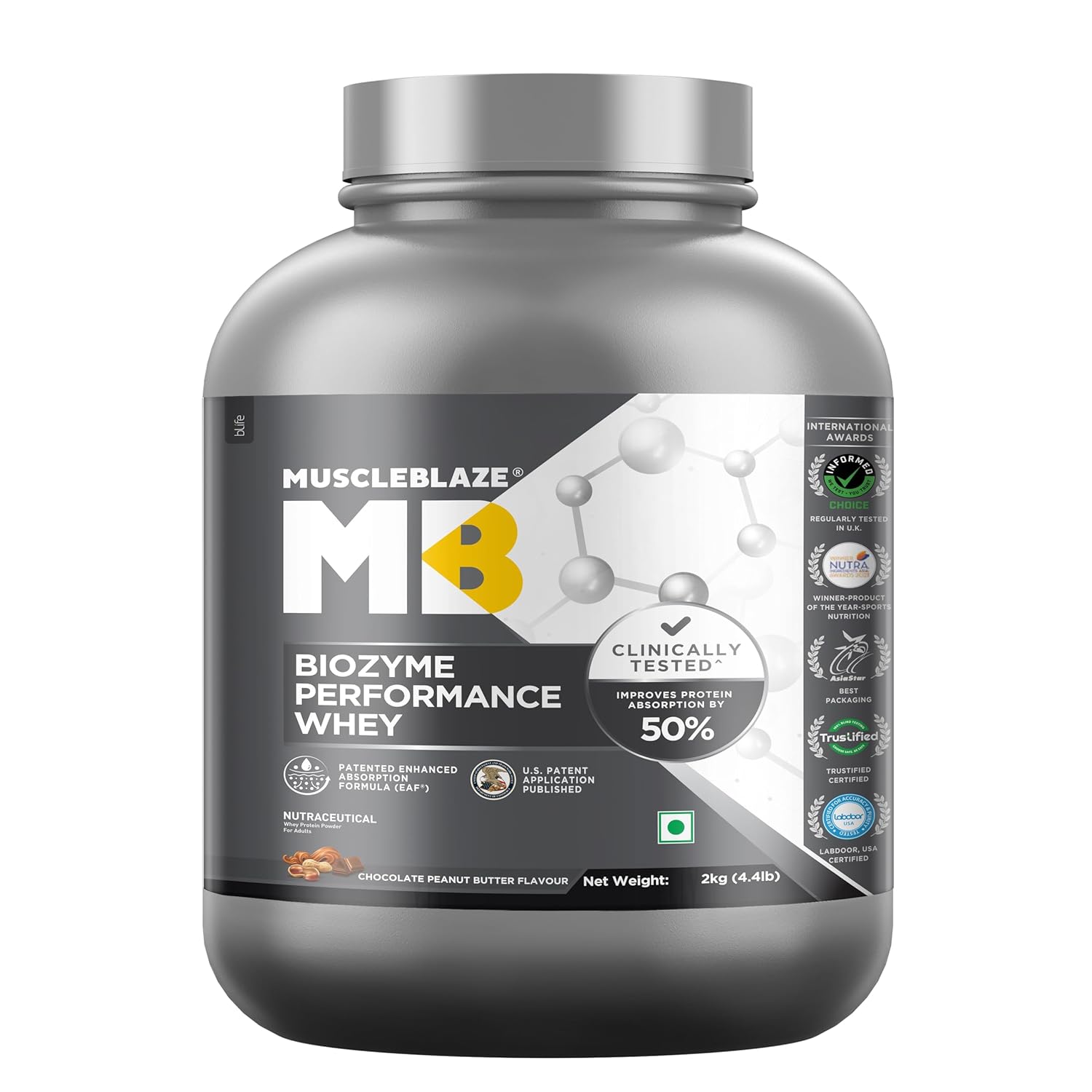

Overtraining happens when your body cannot recover fast enough from your workouts. Many beginners think they need more workouts to see results — but sometimes the real solution is more recovery.
What Is Overtraining?
Overtraining is when workout stress becomes greater than your body’s ability to recover. Instead of getting stronger, your performance starts getting worse.
Recovery is where muscle growth actually happens. Without recovery, progress stops.
1. Constant Muscle Soreness
Feeling sore for 1–2 days is normal. But if soreness never disappears, your muscles are not recovering properly.
- Muscles feel heavy and painful
- Workouts feel harder than usual
- Strength stops improving
Fix
Add rest days and reduce training volume.
CHECK OUT - BEST WELLCORE CREATINE FOR MUSCLE-GAINING
Wellcore Pure Micronised Creatine Powder (33 Servings, Tropical Tango) For Enhanced Muscle Strength
Check Price on Amazon


2. Strength Is Decreasing
Your lifts should slowly improve over time. If your weights are dropping or feel heavier every week, recovery is likely insufficient.
- Weights feel unusually heavy
- Reps decrease
- Workouts feel exhausting
3. Constant Fatigue and Low Energy
Overtraining affects your nervous system. This leads to daily tiredness, even outside the gym.
- Low motivation
- Feeling drained all day
- Need more caffeine than usual
4. Poor Sleep Quality
Too much training increases stress hormones, which disrupt sleep.
- Difficulty falling asleep
- Waking up frequently
- Not feeling rested in the morning
5. Increased Injuries and Joint Pain
When recovery is poor, your joints and tendons suffer first.
- Persistent joint pain
- Frequent minor injuries
- Longer healing time
6. Loss of Motivation
Overtraining affects mental health too.
- Gym feels like a chore
- No excitement to train
- Burnout feeling
7. Fat Loss or Muscle Gain Stops
Progress slowing down is one of the biggest signs of poor recovery.
Your body needs recovery to:
- Build muscle
- Burn fat efficiently
- Maintain hormones
Biggest Overtraining Mistakes
- Training every day without rest
- Too much cardio + gym together
- Very low calorie dieting
- Sleeping less than 6 hours
- Ignoring rest days
CHECK OUT - BEST PEANUT BUTTER 100% PEANUTS ONLY
Pintola All Natural Peanut Butter Crunchy 1kg | Smooth, Unsweetened | 30g Protein | Gluten & Cholesterol Free, Vegan Peanut Butter, Nut Butter, High in Protein Spread, 100% Pure Roasted peanuts butter
Check Price on Amazon


How To Recover From Overtraining
1. Take 2–3 Rest Days
Your body needs a short break to reset.
2. Sleep 7–9 Hours Daily
Sleep is the most powerful recovery tool.
3. Increase Protein Intake
Protein helps repair muscle damage.
4. Reduce Workout Volume
More workouts do not always mean more progress.
5. Add Deload Weeks
Every 6–8 weeks, reduce training intensity for one week.
Conclusion
Progress happens when training and recovery are balanced. If your body shows signs of overtraining, slowing down will actually help you move forward faster.
FAQs
How many rest days should beginners take?
At least 1–2 rest days per week.
Is training daily bad?
Not always, but daily intense training can lead to overtraining.
How long does recovery take?
Usually 3–7 days depending on fatigue level.
Comments
Post a Comment